Lycra builds an 895 m² pavilion at Intertextile Shanghai: 19 co-exhibitors show fibre and fabric innovations
Across an 895-square-meter pavilion with 19 co-exhibitors, The Lycra Company highlighted textile and fiber innovations at Intertextile Shanghai.
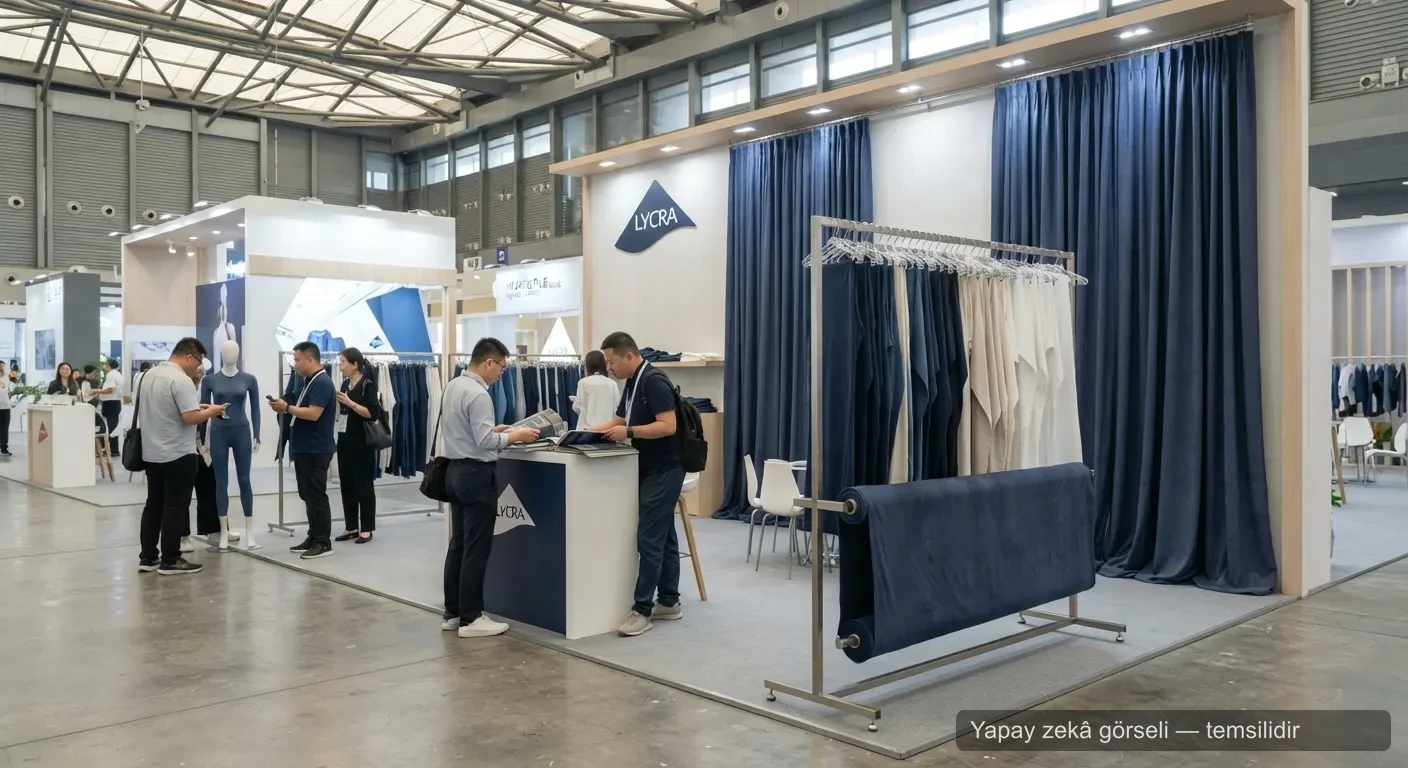
According to Innovation in Textiles, The Lycra Company mounted a commanding display of collaborative technical prowess alongside its key partners during the Intertextile Shanghai Apparel Fabrics Autumn Edition, held August 25–27, 2026. Erecting an expansive 895-square-meter pavilion, the enterprise hosted 19 co-exhibitors to present recent breakthroughs spanning fiber synthesis, advanced fabrics, and finished garments. This cooperative ecosystem clearly demonstrated how cross-sector innovation can be integrated across the entire value chain—from base raw materials to finished textile collections—and delivered to international markets.
Core Analysis
A central feature of the exhibit was a specialized 356-square-meter "Lifestyle District" dedicated to highlighting cutting-edge solutions engineered by strategic partners including Jingzili New Material, JYT Textile, and Lianxingfa Knitting. According to industry reports, technologies exhibited within this zone illustrated how fiber and fabric engineering are directly answering the requirements of contemporary living. Anchored at the crossroads of the Asian market and global supply pipelines, this premier trade event plays an essential role in dictating market adoption for performance-engineered textiles.
- Expansive Co-Exhibition Scale: The Lycra Company generated commercial synergy across its 895-square-meter pavilion alongside 19 co-exhibiting industrial partners.
- Curated Lifestyle Showcase: The 356-square-meter Lifestyle District highlighted high-performance innovations from leading mills like Jingzili New Material, JYT Textile, and Lianxingfa Knitting.
- Integrated Technology Platforms: The exhibit merged fiber, yarn, and garment engineering to deliver high-value, consumer-centric textile solutions.
- Global Trade Fair Competition: China's strategy of deploying massive fairs like Intertextile Shanghai and Hometex Shenzhen to draw international sourcing directors was prominently demonstrated.
Conclusion and Strategic Recommendations
China's aggressive curation of international mega-exhibitions continues to recalibrate competitive parameters for Turkish producers of home furnishings, curtains, upholstery fabrics, and motorized shading systems. As documented across sectoral analyses, during an era when Chinese mills target global buyers through vast product selections, Turkish mills must differentiate themselves through production agility, bespoke design, and turnkey contract solutions. Furthermore, smart and high-performance technical textiles—also highlighted at premier events like ATA Expo 2026—provide Turkish exporters with a prime competitive avenue.
Turkish textile enterprises must forge strategic alliances with primary fiber innovators, scale proprietary R&D funding, and deploy digital B2B portals to engage international sourcing networks directly. Moving beyond commoditized fabrics toward integrating functional, smart, and eco-certified fiber technologies into home and upholstery collections will secure Turkey's long-term export standing.
This content was compiled with AI assistance from the cited source — Innovation in Textiles. (EU 2024/1689 Art. 50)
Background: our earlier coverage
- Upholstery Fabric Selection and the High-Tech Textiles of Tomorrow
Critical benchmarks for sourcing contract upholstery fabrics and navigating the technological breakthroughs defining the future of interior textiles. A strategic perspective for Turkish manufacturers.