Modern Yarn Precision: The Critical Role of 2,200 m/min Speed and Paper Cone Stability
A micro-level factor yielding massive operational leverage: According to Textile Focus, paper cone standardization across modern winding equipment directly governs manufacturing productivity.
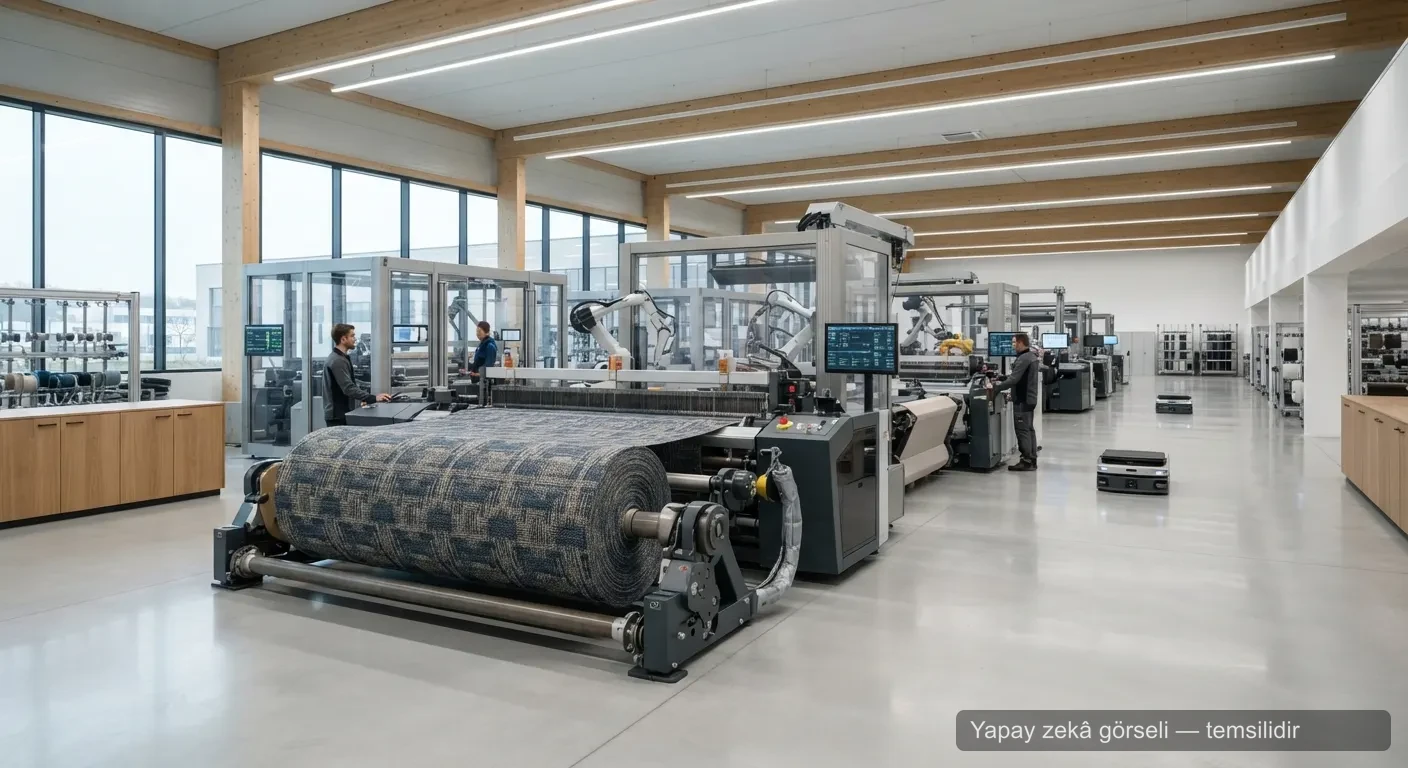
Within the modern textile industry, escalating production velocities and operating scales have transformed even the smallest consumable machinery components into pivotal quality determinants. According to an industry analysis published by Textile Focus, the geometric and physical stability of paper cones utilized in high-performance yarn twisting and winding processes plays a directly decisive role in plant productivity. Operational benchmarks across 530 spinning mills in Bangladesh alongside high-tech global facilities clearly demonstrate how strictly tolerance margins have contracted under elevated velocity thresholds.
High-Speed Operating Tolerances and Mechanical Precision
According to the Textile Focus report, contemporary automated winding equipment currently executes yarn winding operations at exceptional speeds reaching up to 2,200 meters per minute (2,200 m/min). Industrial operational data shared by Jafar Iqbal Bhuiyan, Managing Director of Aziz Packaging Limited, emphasizes that within machinery arrays running at such intense speeds, the slightest inconsistency in paper cone tare weight, structural dimensions, or surface friction coefficient triggers catastrophic machine halts and frequent yarn breakages. In high-volume spinning mills, micro-deviations in cone quality cause direct spikes in wastage rates and costly operational downtime.
For Turkish home textile, drapery, and upholstery fabric manufacturers, this operating dynamic represents an essential supply chain parameter. The structural integrity of yarn fed into modern weaving and warp-knitting systems governs final surface uniformity, tensile strength, and dyeing yield. Specifically, the yarn tension consistency and cone dimensional precision maintained during the winding of yarns dedicated to sheer curtains, jacquard drapery, and high-density upholstery fabrics minimize warp/weft misalignment and weaving stop marks on industrial looms.
- 2,200 m/min Winding Velocity: Reached by advanced winding machinery, this extreme velocity mandates that paper cones exhibit impeccable balance and structural rigidity against intensive centrifugal forces and mechanical torque.
- 530 Spinning Mill Scale: The expansive manufacturing ecosystem of 530 spinning mills across Bangladesh underscores the massive economic losses and material waste that non-standardized consumable usage can propagate across an entire industrial sector.
- Dimensional Stability: Micron-level deviations across the interior and exterior cone diameters warp the winding traverse angle, instigating severe yarn tension variations throughout subsequent warping and weaving runs.
Conclusion and Strategic Recommendations
Textile mills investing in high-velocity spinning and winding technology must enforce identical stringent standards when procuring basic operating consumables. Industry executives must evaluate paper cones not merely through unit purchasing cost, but primarily through mechanical endurance and micron-level dimensional stability metrics. In order to achieve defect-free fabric output across the home textile and curtain sectors, procurement managers are strongly advised to audit suppliers' bobbin winding quality control mechanisms and partner exclusively with certified precision-cone manufacturers.
This content was compiled with AI assistance from the cited source — Textile Focus (Bangladeş). (EU 2024/1689 Art. 50)
Background: our earlier coverage
- Profit Margin Squeeze for Yarn Spinners: Fiber Costs Challenge the Weaving Industry
Confronting margin compression driven by cotton commodity spikes and hyper-competitive market dynamics, yarn manufacturers are pivoting toward fiber blends to safeguard profitability.