Towel exporters: OEKO-TEX Standard 100 is not proof of organic content
The technical differences between the GOTS and OEKO-TEX standards that substantiate organic claims in towel and bathrobe exports, and the steps manufacturers should follow.
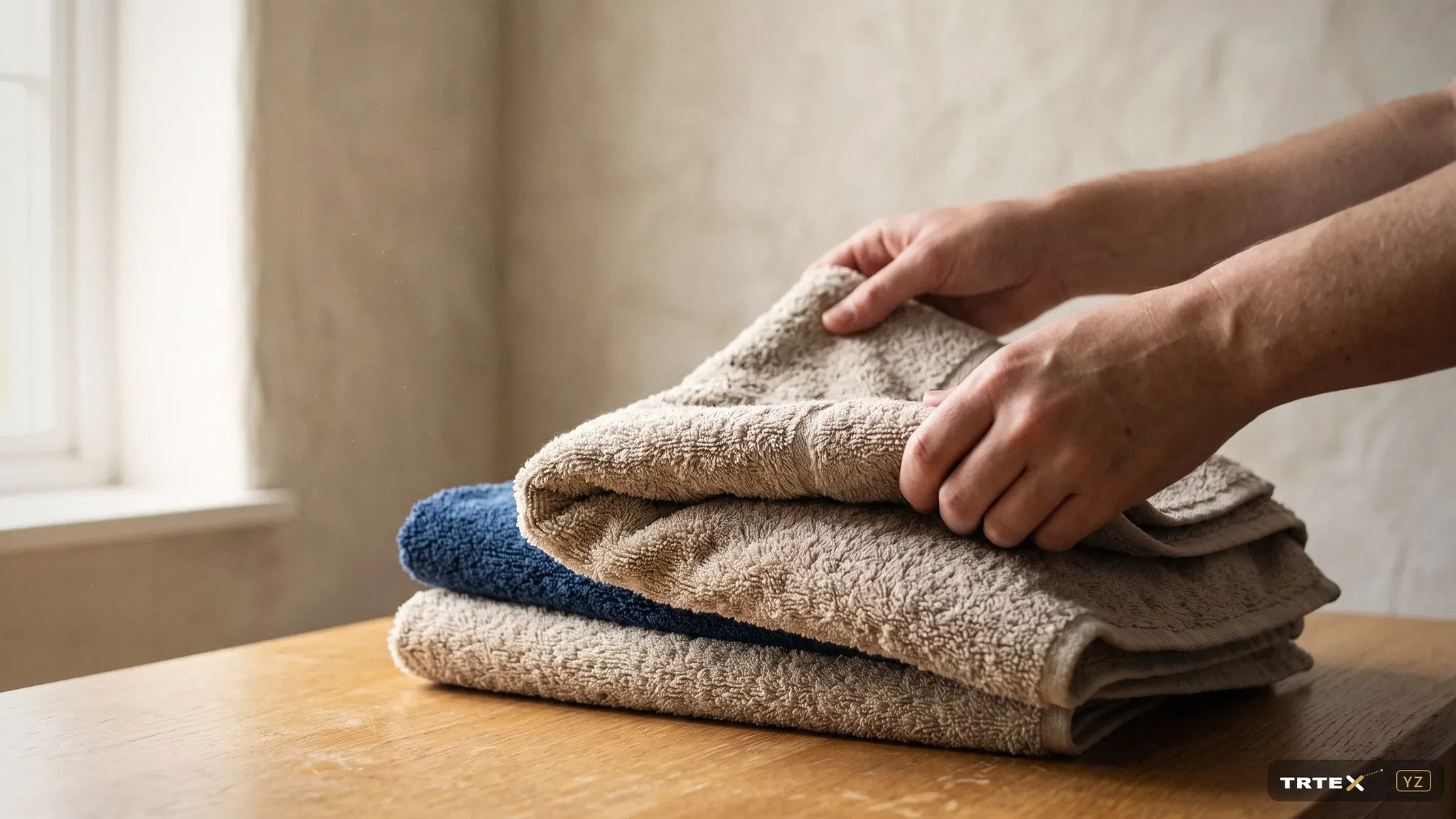
As demand for sustainability keeps growing in the towel and bathrobe segments of home textile exports, the legal and commercial validity of product claims depends on correct certification. Buyers in international markets draw clear lines between organic fibre content, harmful-substance testing and social compliance requirements. Manufacturers that fail to make this distinction correctly face serious risks such as labelling mismatches and cancelled technical specifications.
Key analysis
Certificates that are often used interchangeably in towel production actually represent entirely different technical audit mechanisms. To choose the right certificate for the buyer's specification, exporters need to know the full scope of each standard:
- GOTS (Global Organic Textile Standard): Using organic fibre alone is not enough for a product to be labelled as GOTS certified; every company in the production chain must be certified by approved independent certification bodies (GOTS Standard). All stages, from yarn twisting and weaving to dyeing, making-up and packaging, fall within the scope of the audit.
- OEKO-TEX® STANDARD 100: The best-known label in the sector makes no organic claim; it is a safety standard verifying that textile products have been tested for harmful substances (OEKO-TEX STANDARD 100). It does not prove that a towel was produced to organic farming standards.
- OEKO-TEX® ORGANIC COTTON: A separate certificate developed for towels and bathrobes that are to carry an organic cotton claim. Products bearing this label are verified as tested for genetically modified cotton (GMO), pesticides and other harmful substances (OEKO-TEX ORGANIC COTTON).
- OEKO-TEX® MADE IN GREEN: Covers textile products manufactured more sustainably in environmentally friendly and socially responsible workplaces (OEKO-TEX MADE IN GREEN).
Why it matters
In towel exports, correctly defining the technical boundary between a product free of harmful chemicals and a product with organic chain certification prevents greenwashing allegations during customs inspections and secures buyer confidence.
What members can do
What towel and bathrobe manufacturers should do to take the right certification steps in their export processes:
- 1. Break down the buyer's specification: Before signing the contract, clarify whether your customer is asking for a product safety test (STANDARD 100) or an organic cotton certificate that binds the supply chain (GOTS or OEKO-TEX ORGANIC COTTON).
- 2. Check supply chain compliance: If the final product is to be labelled under GOTS, verify that every stakeholder, from the yarn supplier to the commission dyehouse, holds a valid certificate issued by independent bodies.
- 3. Match label claims to the standard: Use the word organic on your packaging and care labels only for products covered by GOTS or OEKO-TEX ORGANIC COTTON; avoid presenting a STANDARD 100 certificate as proof of organic content.
This content was compiled with AI assistance from the cited source. (EU 2024/1689 Art. 50)
Background: our earlier coverage
- Bottlenecks and Ways Out in Denizli Home Textiles
Denizli's home textile sector is under severe price pressure due to the OEM model. This report analyzes Denizli's current standing and details three concrete pathways forward: GOTS certification, technical weaving, and antibacterial spa tex
- OEKO-TEX and GOTS: Strategic Roadmap for Organic Fabric Certification
As sustainability and demand for organic fabrics surge in the home textile and drapery industries, the differences, cost profiles, and workflows between OEKO-TEX and GOTS provide an essential roadmap for global exporters.
- Key to Exports in the EU Market: OEKO-TEX and GOTS Certification
OEKO-TEX and GOTS certifications represent critical keys for Turkish home textile exports to the EU. Strategies for compliance with sustainability standards and the Digital Product Passport.