European Distributor Networks in Sheer and Upholstery Fabrics: Market Entry Strategies for Turkish Mills
Declining polyester yarn prices reinforce cost competitiveness for Turkish sheer and upholstery fabric manufacturers across Europe. Strategic distributor networks and international certifications unlock sustained European market expansion.
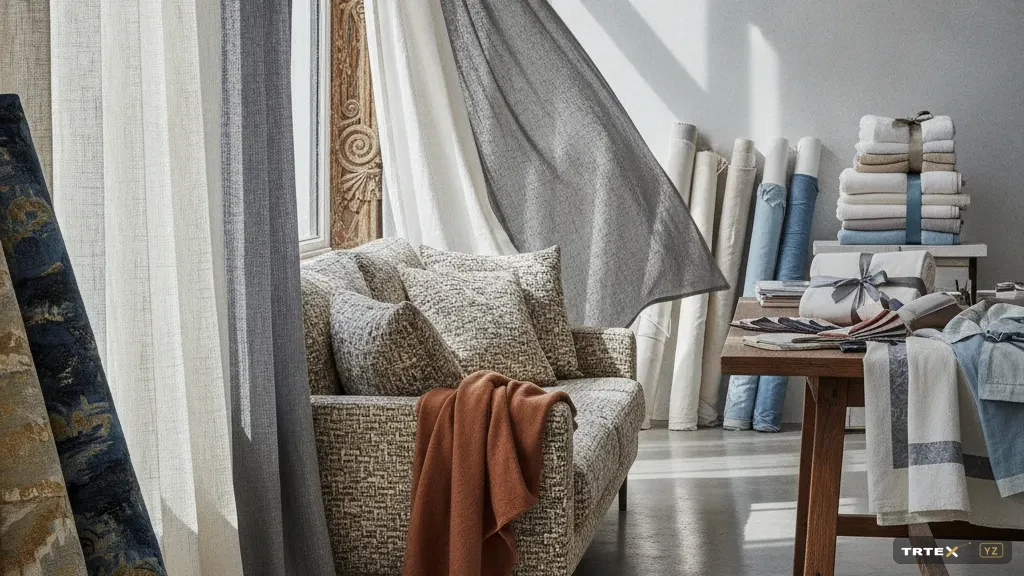
The European market for sheer and upholstery fabrics presents extensive commercial horizons for Turkish textile manufacturers, wholesalers, and exporters. In an era marked by shifting consumer trends, rising demand for sustainable interiors, and intensifying global competition, establishing well-structured market entry mechanisms in Europe is vital. Penetrating established distributor networks stands out as one of the most effective strategic avenues for Turkish mills seeking long-term commercial footholds.
Recent price adjustments in raw material markets, particularly the decline in polyester yarn quotations, deliver a compelling cost advantage to Turkish producers. Polyester serves as a core filament in sheer curtain draperies and durable upholstery constructions. Capitalizing on this raw material cost rationalization enables domestic mills to present highly competitive price points across Europe without compromising manufacturing excellence or technical specifications.
Dynamics of the European Fabric Market and the Turkish Competitive Edge
The European interior fabric sector is distinguished by elevated quality benchmarks, rigorous regulatory compliance, and discerning aesthetic taste. Across diverse geographies—from Germany and France to the United Kingdom and Italy—market dynamics and localized buyer expectations vary noticeably. Nevertheless, overarching imperatives unite European buyers: unwavering reliability, punctual delivery, and verified environmental sustainability.
Cost competitiveness remains a decisive differentiator for Turkish mills, especially against Far Eastern mass-market competitors. The downward trajectory in polyester yarn prices further consolidates this strategic advantage. However, securing an enduring presence across Europe cannot rely solely on price; it demands leadership in creative textile design, rapid sampling, and accredited sustainability certifications.
European purchasers place tremendous value on geographical proximity and short replenishment cycles. Operating in close proximity to Western Europe, Turkish manufacturers offer compressed logistical transit times compared to Asian competitors. This agile logistical responsiveness, combined with superior finishing techniques and advanced weaving capacity, positions Turkish textile enterprises as primary contract partners for European distributors.
Market Entry via Distributor Networks and Critical Success Factors
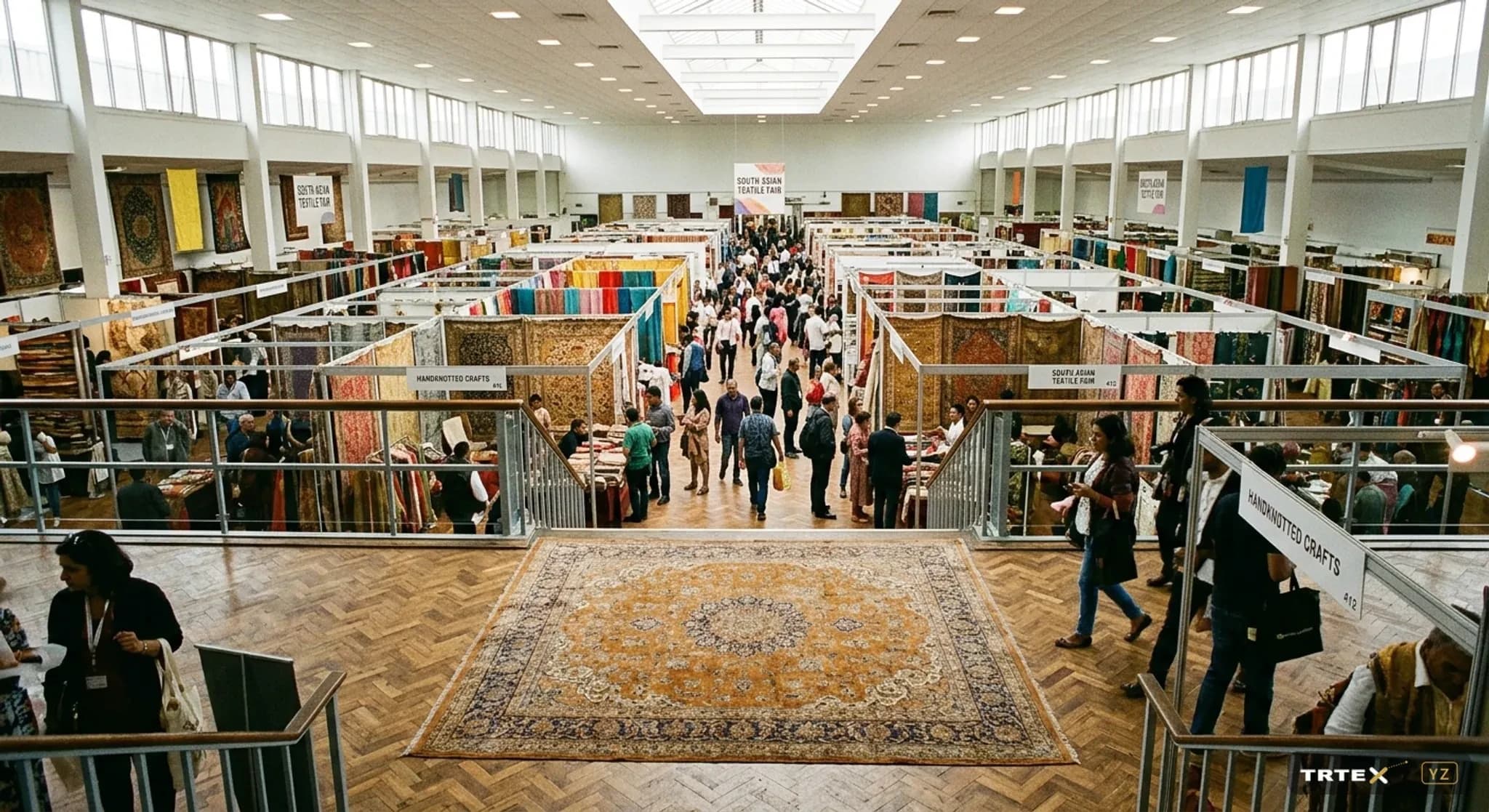
Forging partnerships with established European distributor networks represents an intricate yet exceptionally rewarding endeavor for Turkish mills. Selecting the optimal distributor, interpreting nuanced regional channels, and cultivating enduring commercial alliances constitute the cornerstones of this journey. Reputable distributors possess established retailer portfolios, sophisticated warehousing capabilities, and deep localized market intelligence.
- Rigorous Distributor Selection: Prospective distribution partners must be rigorously evaluated regarding industry track record, financial stability, existing commercial client bases, and genuine commitment to Turkish product lines. Comprehensive reference checks and executive face-to-face negotiations are essential.
- Portfolio Breadth and Bespoke Customization: Presenting comprehensive product assortments while accommodating customized European requirements (colorway palettes, exclusive jacquard motifs, specialized surface textures, and technical functionalities) delivers an indispensable competitive edge.
- Sustainability and Mandatory Certifications: Given Europe's stringent environmental mandates, possessing recognized international certifications such as GOTS, OEKO-TEX Standard 100, and full REACH compliance is non-negotiable. These credentials build distributor trust and drive consumer preference.
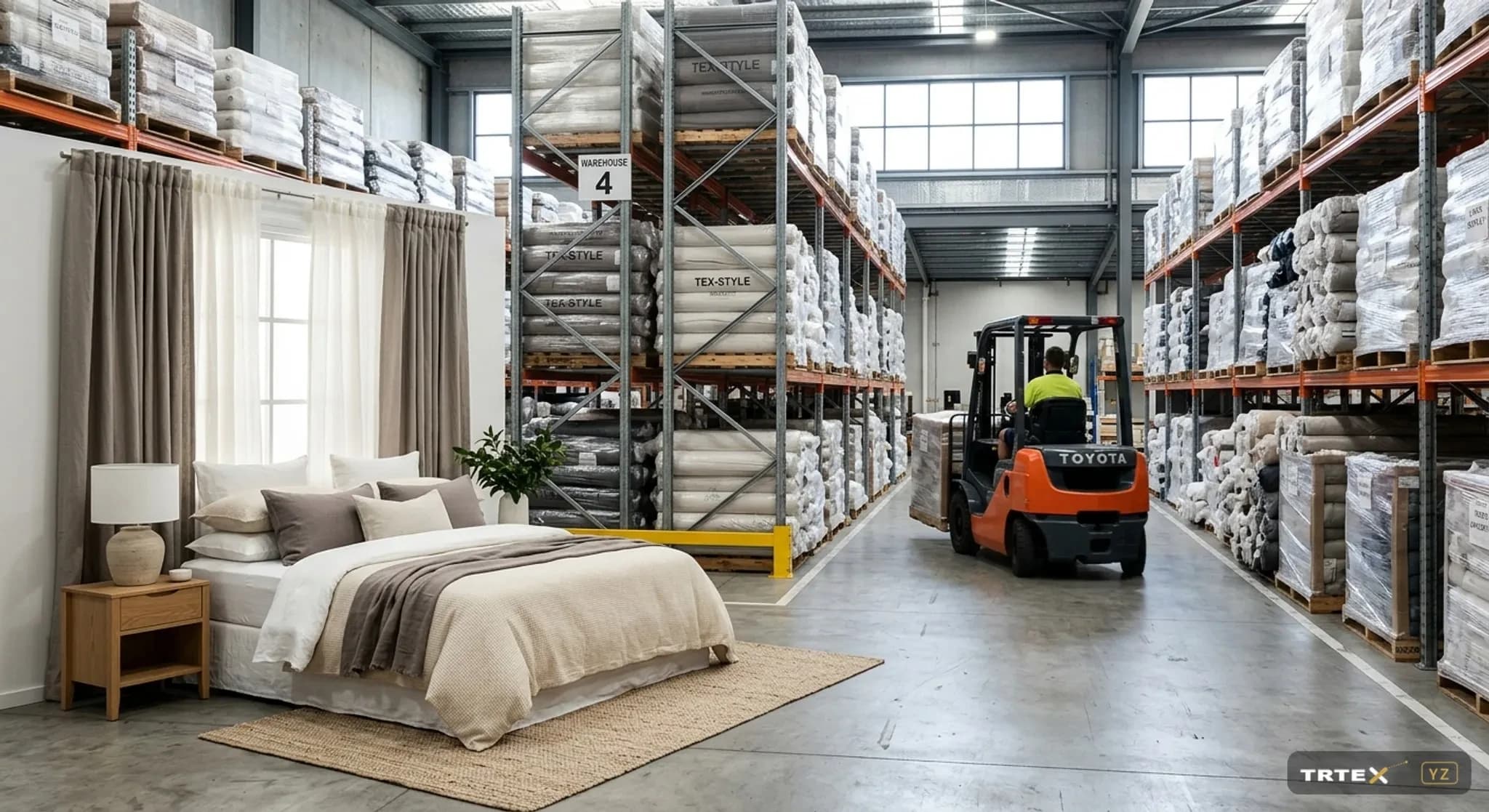
- Logistics and Supply Chain Discipline: Prompt, dependable shipments are fundamental to distributor relationships. Establishing streamlined overland transport channels, optimizing customs clearance procedures, and maintaining reliable safety stocks are vital to sustaining long-term partnerships.
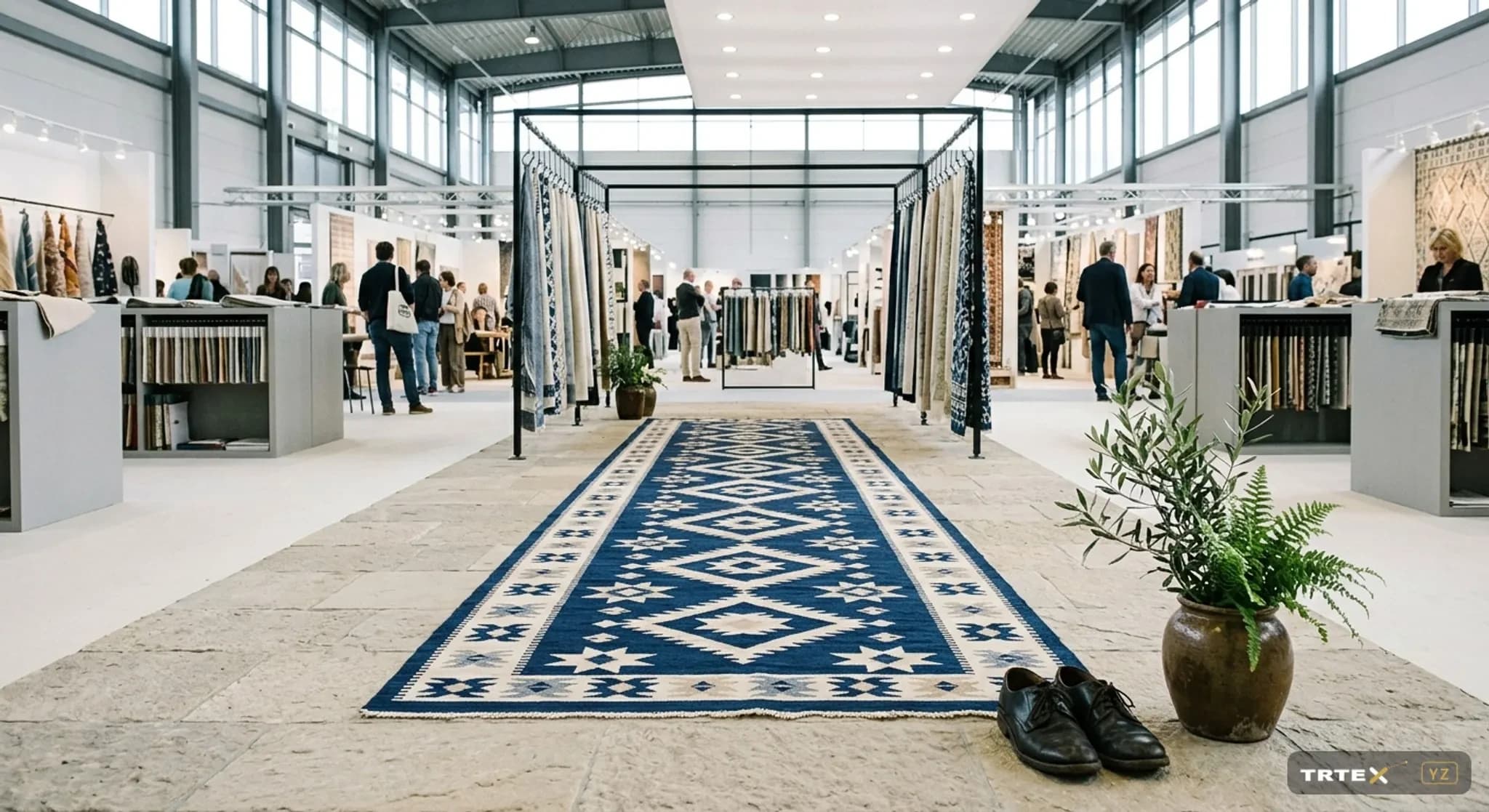
- Marketing Collateral and Brand Empowerment: Supporting distributors with premium product presentation tools, comprehensive swatch binders, sampling waterfall hangers, and high-resolution digital assets reinforces their commercial effectiveness and amplifies brand prestige.
- Value-Centric Pricing Architecture: Commercial pricing must balance the cost efficiencies derived from lower polyester yarn indices with the intrinsic value, superior design craftsmanship, and brand reputation of Turkish textile engineering.
Technical Specifications, Industry Standards, and Regulatory Compliance
Exporting to the European Union (EU) necessitates absolute compliance with established technical specifications and statutory mandates. For sheer and upholstery textiles, fire safety and flame retardancy standards (such as EN 1021-1 and EN 1021-2 for upholstery), colorfastness to light and rubbing, and abrasion durability (quantified via the Martindale test) represent critical performance thresholds. Mills must have their fabrics validated by accredited testing laboratories and maintain complete certification dossiers.
Furthermore, the European Union's REACH regulation (Registration, Evaluation, Authorisation and Restriction of Chemicals) rigorously oversees chemical substances applied throughout textile wet processing. Turkish manufacturers must certify that all dyestuffs, auxiliaries, and finishing agents comply strictly with REACH requirements and proactively monitor the Substances of Very High Concern (SVHC) candidate list. Flawless regulatory compliance is not merely a legal mandate, but an invaluable instrument for cultivating lasting trust among European distributors and consumers.
Concluding Outlook and Strategic Projections for the Turkish Textile Industry
The Turkish home textile sector commands immense expansion potential across Europe within the sheer drapery and upholstery segments via established distributor networks. The operational cost efficiencies achieved through competitive polyester yarn pricing have reinforced Turkish manufacturers' international stature. However, translating this potential into sustainable market leadership requires pairing manufacturing excellence with strategic commercial alliances, transparent environmental stewardship, and total compliance with EU directives.
Moving forward, the Turkish textile sector is poised to solidify its role as a premier European supply partner by fusing technical innovation, sustainable circularity, and robust global distributor relationships.