Home textile output is contracting: falling polyester yarn prices give Turkish producers a cost edge in sheers and upholstery fabrics
Production decelerations across Turkey's home textile and curtain sectors affect weavers, wholesalers, and retailers alike. Root causes and strategic recovery pathways analyzed.

The Turkish home textile, drapery, and upholstery fabric industry has long served as one of the national economy's most dynamic industrial engines, underpinned by established international market presence and vertically integrated production capacities. However, recent global macroeconomic headwinds, surging domestic operating expenses, and contracting external demand have decelerated manufacturing activity. This slowdown creates a comprehensive domino effect impacting not merely primary weavers processing yarn, but also wholesalers managing supply pipelines and front-line retailers interfacing directly with consumers.
This industrial contraction exerts severe pressure on operating margins, threatening the financial solvency of numerous enterprises across the sector. Weavers unable to pass rising energy, labor, and raw material expenses into contract pricing due to aggressive global competition are forced to scale back active loom capacity. Simultaneously, textile wholesalers struggle under elevated financing charges and inventory holding expenses. At the final link of the value chain, retailers navigate shrinking domestic purchasing power and razor-thin retail margins. Escaping this cycle requires moving beyond legacy business habits toward structured industrial transformation.
Supply Chain Disruption: Escalating Pressure from Weavers to Retailers
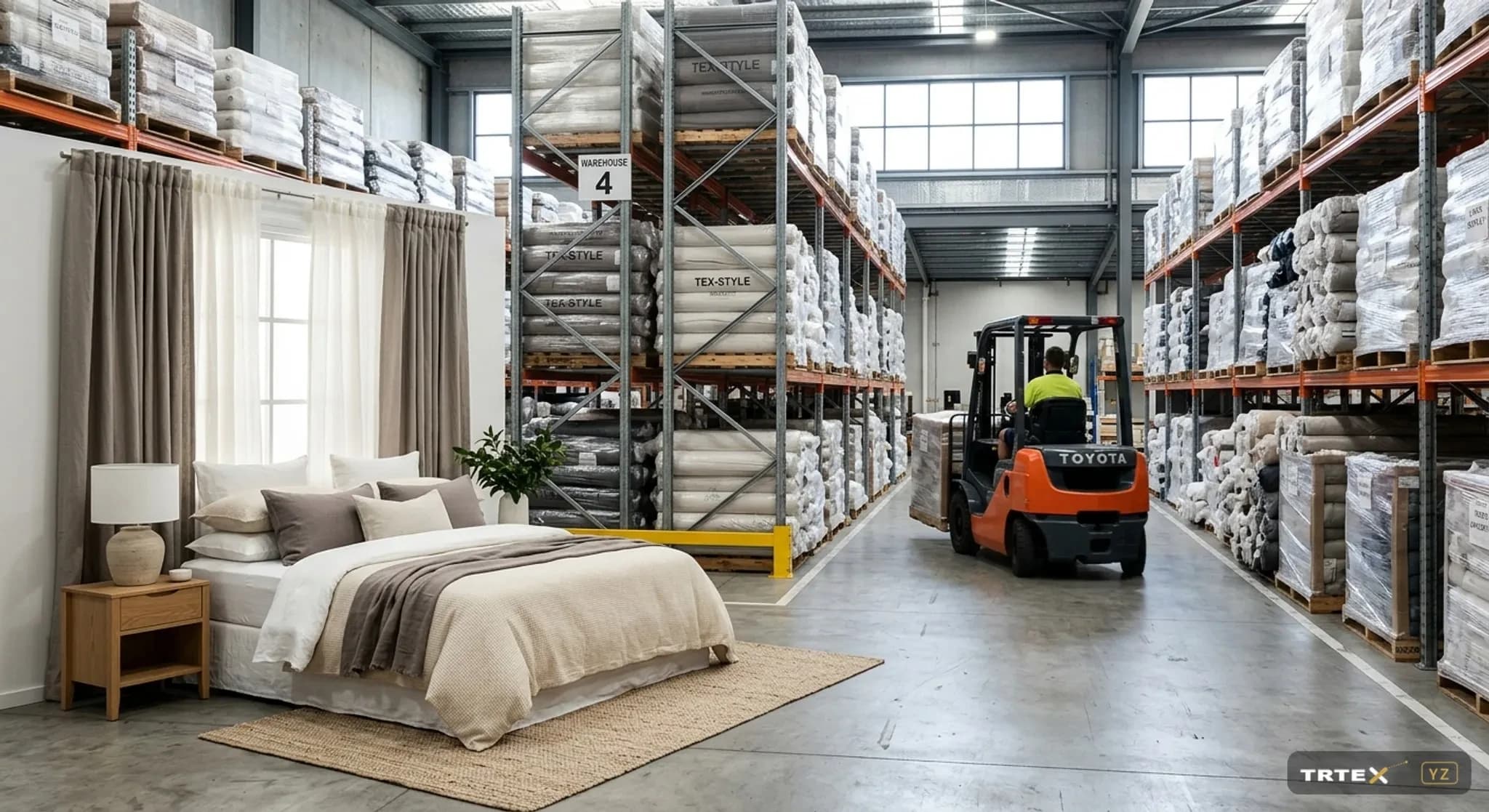
While the Turkish home textile sector retains significant international standing through high-value-added design and agile production lead times, it currently faces severe competitive headwinds driven by tariff tiers and compressing price margins. Rapid escalation in domestic overhead costs erodes weavers' pricing flexibility against global rivals. This dynamic directly enables Far Eastern textile conglomerates to capture expanded market share, particularly across high-volume institutional orders. Production cutbacks at the mill level subsequently restrict wholesaler stock variety and purchasing leverage.
On the wholesale front, excessive working capital requirements and high borrowing interest rates represent the most formidable structural barriers. Wholesalers who previously maintained deep buffer inventories to supply retail storefronts on short notice are pivoting toward conservative, low-volume replenishment to contain carrying costs. Consequently, retail curtain boutiques suffer diminished fabric selections, leading to delayed order fulfillment and lost consumer conversions.
Curtain retailers and soft-furnishing installers constitute the least visible yet most heavily burdened segment of the supply chain. Field analysis confirms that independent retailers sustain domestic market vitality. Nonetheless, retail and installation professionals remain largely unrepresented across macroeconomic decision-making forums and industry assemblies. This disconnect prevents genuine field-level consumer trends and retail friction points from reaching weaving mills, exacerbating structural supply-demand imbalances.
Root Causes of Enterprise Losses and Structural Deficits
The financial losses confronting numerous home textile and drapery enterprises stem from a confluence of cyclical macroeconomic pressures and chronic structural shortcomings. Working capital depletion within an inflationary operating environment severely constrains operational flexibility. Enterprises clinging to obsolete management methods and failing to embrace digital workflow systems find themselves incapable of sustaining the growing overhead burden.
- Surging Input Costs and Margin Compression: Cumulative increases across energy, transport, and labor raise unit manufacturing costs, while international buyers demand aggressive price discounts, reducing profit margins toward zero.
- Credit Access and Inventory Carrying Costs: Elevated interest rates restrict working capital liquidity and impair wholesaler stocking capacity, causing friction and delivery delays throughout the chain.
- Lack of Domestic Retail Representation: The absence of retailers and installers from sectoral policy councils inhibits the formulation of manufacturing strategies aligned with real domestic market conditions.
- Deficit in Value-Added Differentiation: Enterprises reliant on basic contract manufacturing (facon) with minimal brand equity inevitably forfeit market share in price-dominated global competition.
The European Market and Emerging Opportunities in Sheer Fabrics
Despite prevailing challenges, compelling growth avenues remain accessible for Turkish home textile mills across international markets. Surging European demand for sustainable, certified home furnishings, paired with Turkey's nearshoring geographical proximity, offers substantial commercial leverage. Furthermore, moderating polyester yarn prices provide a meaningful input cost advantage, particularly across the sheer curtain and upholstery fabric categories.
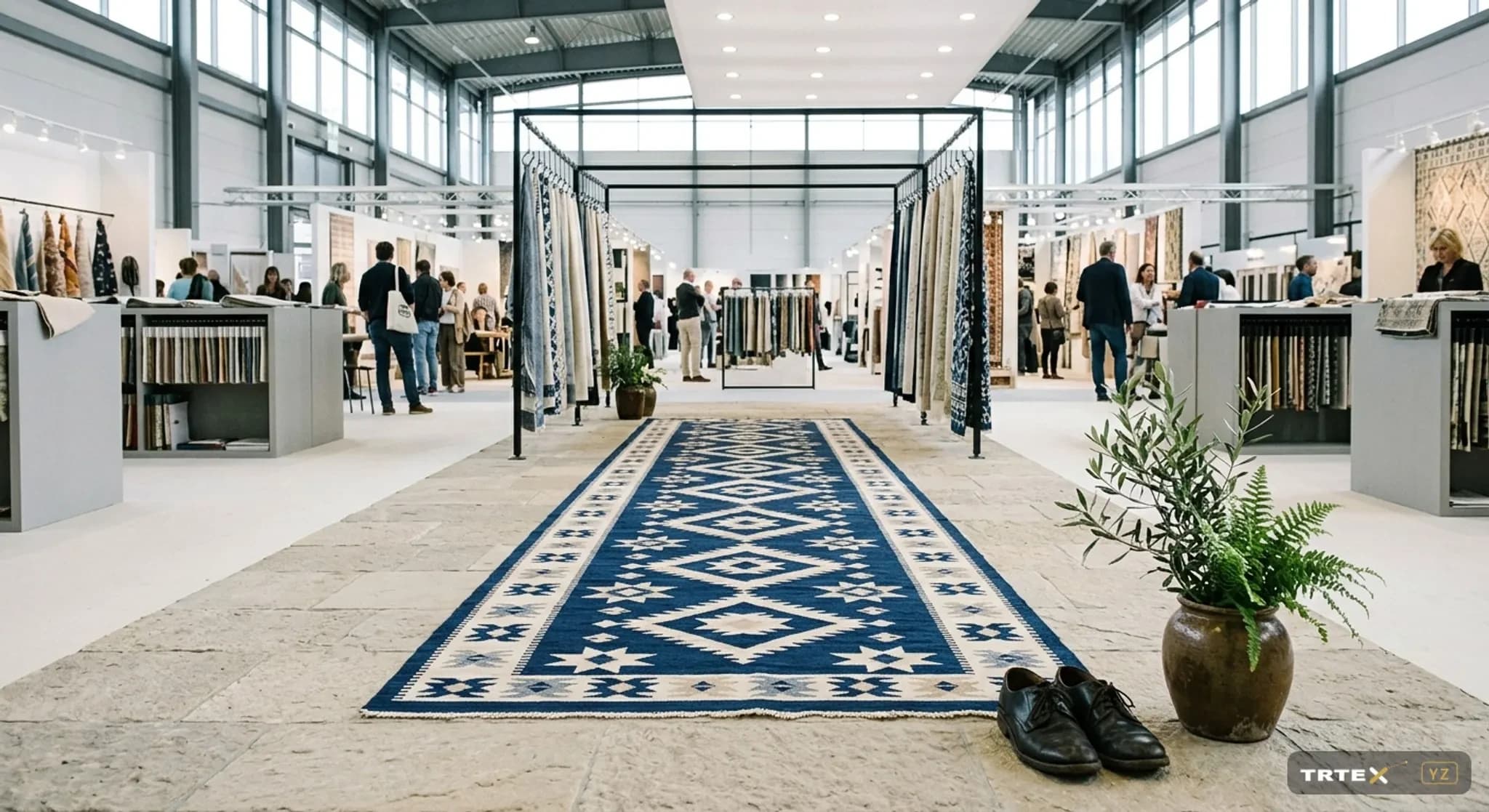
Securing direct integrations with European wholesale and distributor networks is among the most effective strategies for driving sustainable export expansion. European corporate buyers seeking to curtail transport carbon footprints and de-risk supply routes prioritize nearshore manufacturers operating certified, eco-friendly facilities. Aligning with recognized green standards (such as OEKO-TEX and GRS) and prioritizing innovative weaves will enable Turkish manufacturers to solidify their market share across European sheer and decorative textile sectors.
Strategic Roadmap and Actionable Solutions: The Recovery Path
Overcoming current manufacturing headwinds and restoring sector-wide profitability demands immediate, coordinated strategic measures. First, commercial alignment between weavers, wholesalers, and retail installers must be restored; listening to front-line retail feedback will allow mills to transition toward agile, responsive manufacturing tailored to real demand. Instead of pursuing commoditized volume manufacturing, investment must target design-differentiated, functional fabrics—such as acoustic, flame-retardant, and easy-clean textiles.
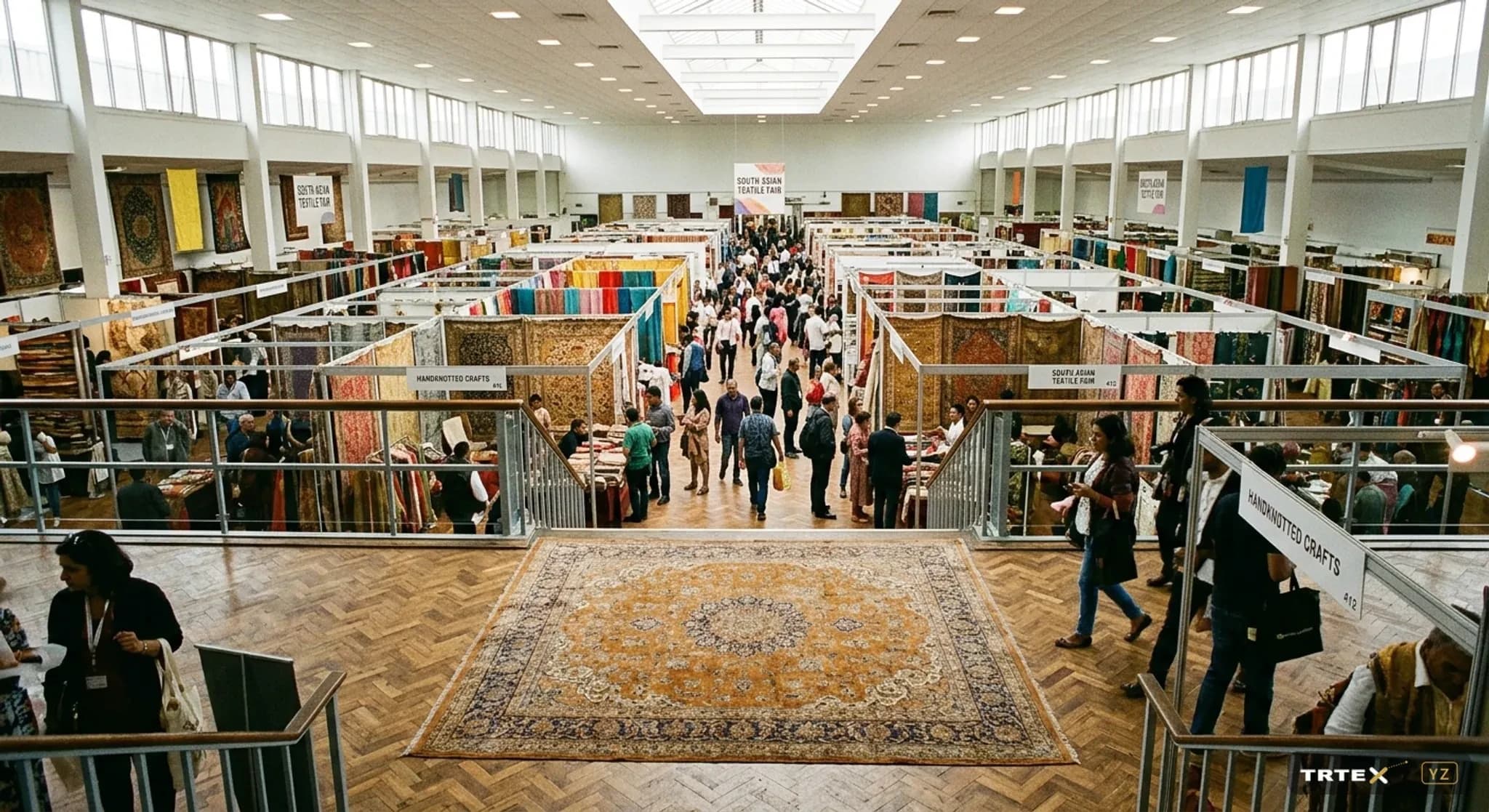
Second, enterprises must aggressively deploy digital tools and digital B2B business development platforms to compete internationally. To counterbalance the prohibitive costs of traditional physical exhibitions and legacy sales channels, digital B2B portals should be leveraged to engage global distributor networks directly. Investments in sustainability must not be treated as mere overhead, but embraced as the fundamental passport for European market expansion. Backed by agile manufacturing versatility, geographical advantages, and refined design capabilities, the Turkish textile sector possesses the fundamental strength to execute this strategic transition successfully.