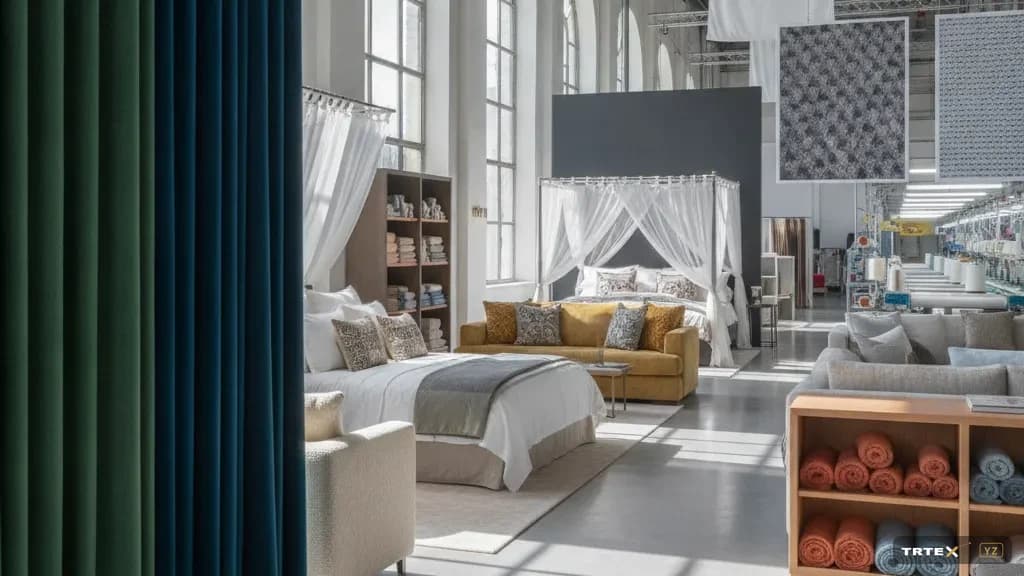
Blackout curtain measurement: AATCC TM203 and EN 14501 requirements
The technical details of the light-blocking and darkening performance test methods that buyers demand in blackout curtain exports were examined.
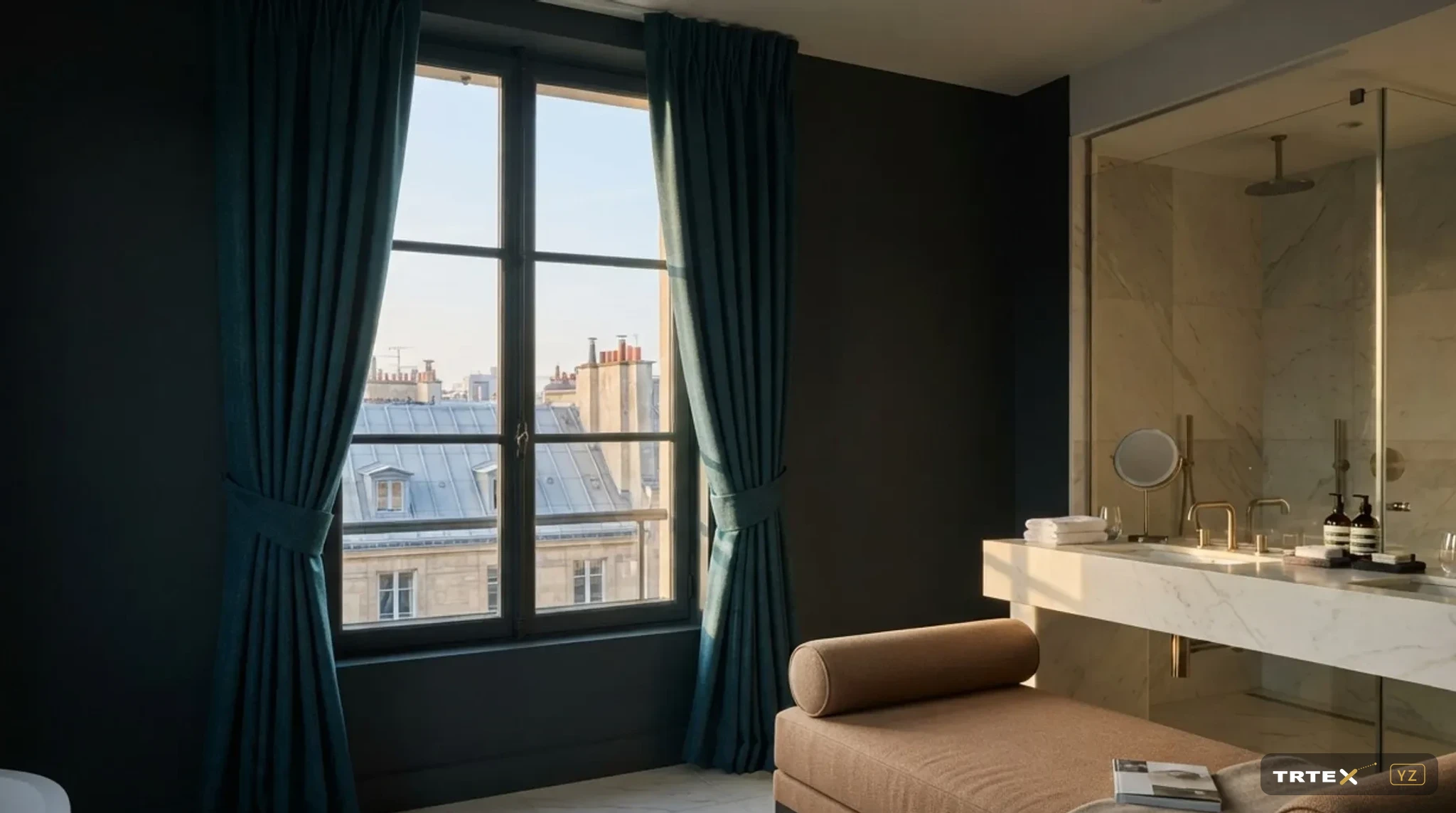
In exports of blackout fabrics used in windows, the light-blocking performance of the product must be proven by laboratory standards with international validity, not by subjective observation. Global buyers are requesting accredited test data on the fabric's structure and light-blocking capability during the procurement process.
Core Analysis
The technical adequacy of products described as blackout or darkening fabric is assessed against two main standards. AATCC TM203 is the basis in North American and global markets, while SS-EN 14501:2021+A1:2025 is the reference in the European market. These standards examine fabric performance on the following bases:
- Spectrophotometric Measurement (AATCC TM203): This test method aims to measure, by spectrophotometric means, the light that passes through window covering textiles (especially curtains and drapery fabrics) and is perceived by a standard observer on the dark side of the fabric.
- Visual Comfort and Darkening Performance (SS-EN 14501:2021+A1:2025): Within the scope of the standard applicable to shutters and mechanical blinds, darkening performance is formally classified as one of the visual comfort parameters.
- Night Privacy: Within the visual comfort heading of the SS-EN 14501:2021+A1:2025 standard, the level of night privacy, in addition to darkening, is defined as a characteristic.
The exact numerical light-blocking ratios and classification thresholds requested by buyers depend on the technical tables of the standard texts and on purchase specifications; rather than a single generally accepted ratio, the report output of the relevant test method is sought.
Why It Matters
Failure to support blackout commitments in export contracts with scientific test reports increases the risk of shipment rejection and commercial disputes. How Turkish curtain and fabric manufacturers document the darkening properties of their product range according to international norms directly determines their credibility in the market.
What to Do
Three concrete steps that exporters and manufacturers should follow:
- 1. Select the test method according to the target market: For North American orders, request AATCC TM203 spectrophotometric analysis; for European deliveries, request a darkening and visual comfort assessment conforming to SS-EN 14501:2021+A1:2025.
- 2. Add the accredited test report to the technical file: Process the test results of fabric samples into product brochures and technical data sheets (TDS) and present them transparently to the buyer.
- 3. Clarify the requirements in the specification: In contracts with buyers, put darkening performance and night privacy expectations in writing by referencing the outputs of the relevant test standards instead of general statements.
This content was compiled with AI assistance from the cited source. (EU 2024/1689 Art. 50)
Background: our earlier coverage
- EU and North American requirement for children's room textile makers: chemical and mechanical safety is mandatory
Safety and functionality take center stage in children's room decor. Blackout draperies, cordless mechanical systems, and organic fabrics are establishing new benchmarks across global markets.
- Confusion Around Blackout Curtain Ratings: Why the Industry Speaks Different Languages
Discrepancies in blackout and dimout curtain percentages create friction in textile exports. The widespread perception of '90% blackout' must be reassessed against technical realities and international norms. Differences in color and weave