Sleep Tourism Set to Reach $148.9 Billion by 2030: Hotels Pivot to Functional Contract Textiles
According to Grand View Research, sleep tourism is projected to expand from $74.5B in 2024 to $148.9B by 2030 (12.4% CAGR). Hotels are overhauling contract bedding and blackout drapery systems.
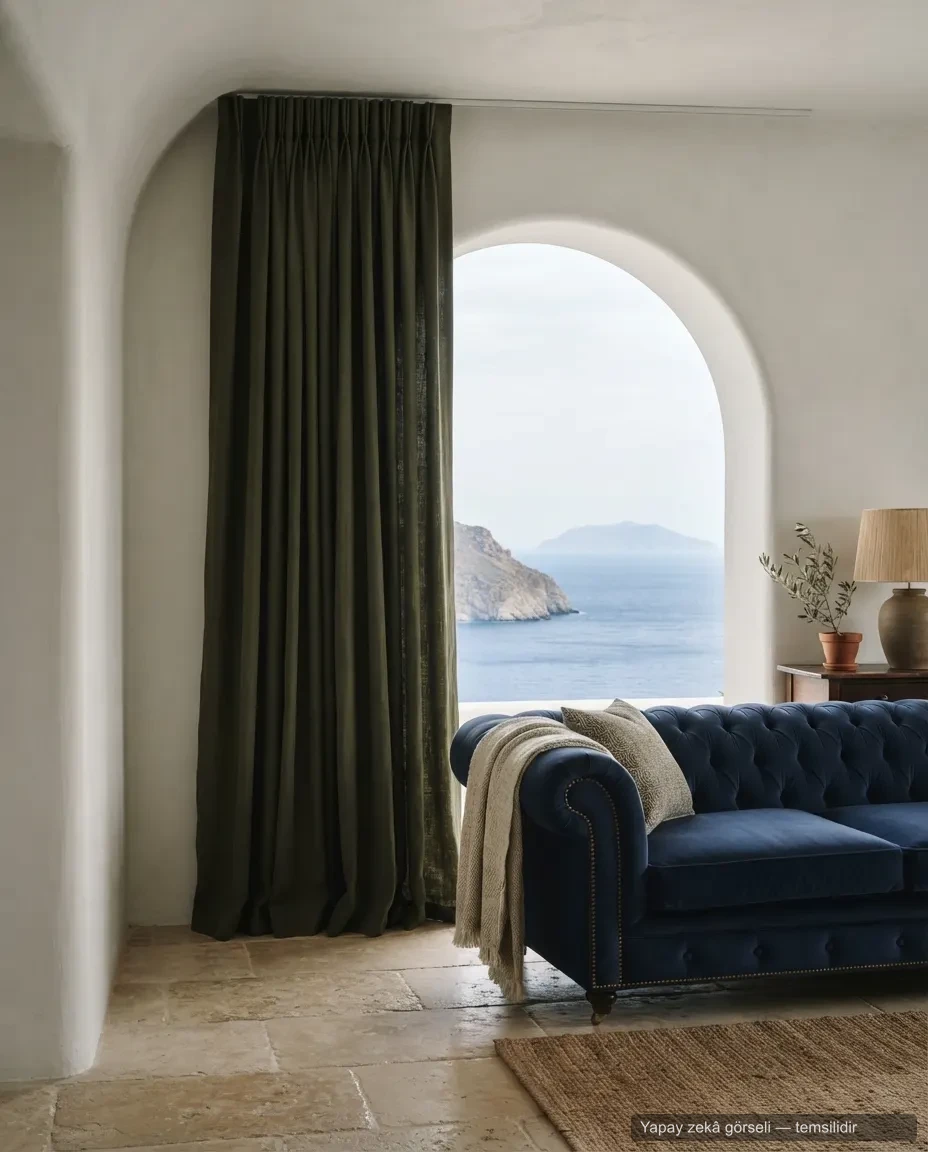
According to coverage by Hosteltur, "sleep tourism" is solidifying its presence as a major transformative pillar across the international hospitality landscape. Leading hotel operators are transcending the traditional provision of simple beds, reshaping sleep into a curated lifestyle wellness experience enhanced by dedicated biological programming and tailored technologies. With international hotel flags spearheading this shift, substantial commercial opportunities are opening for manufacturers of next-generation functional contract textiles and precision window curtains.
Key Analysis
As detailed in the report, sleep expert an executive (member of the Novotel 37 Collective) emphasizes that restorative sleep is achieved through consistent, science-backed environmental micro-adjustments rather than radical interventions. Among global travelers, jet lag, circadian disruption, and screen-induced blue light fatigue represent primary pain points. In response, hotel operators are revamping room ergonomics and textile specifications. While specific hotel renovation locations, capital budgets, and key inventories were not enumerated in the initial release, core functional textile requirements are clearly outlined:
- Precision Light Control and Blackout Assemblies: For guests overcoming circadian disruption and screen fatigue, certified 100% total-blackout draperies and motorized roller shades represent a foundational architectural requirement.
- Physiological and Acoustic Comfort: To enhance REM sleep duration, acoustic-dampening upholstery fabrics and dense, sound-absorbing heavy drapery linings are increasingly specified.
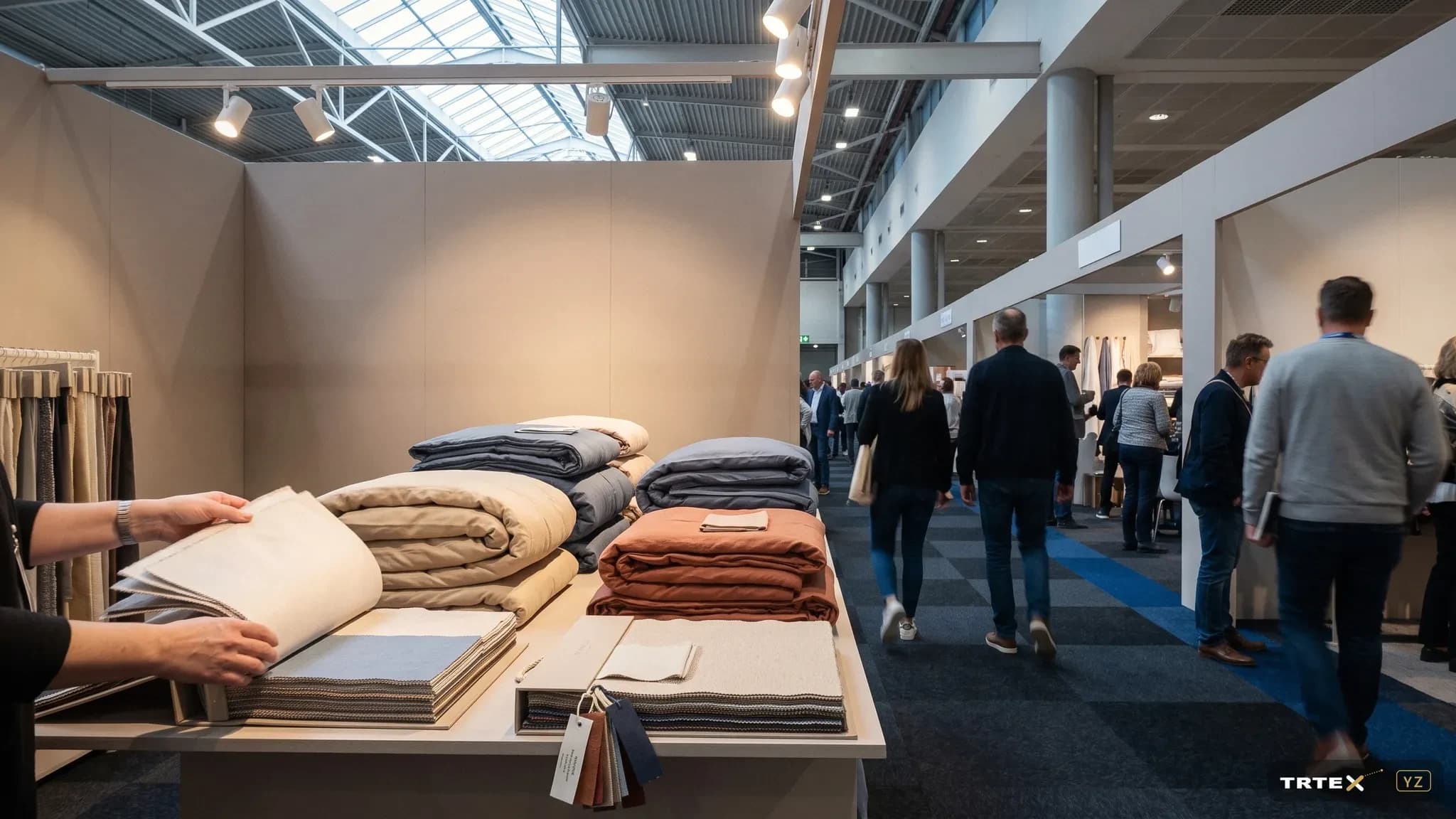
- Natural and Thermoregulating Bedding: Aligning with sleep hygiene science correlating body temperature with restorative rest, hotels prioritize natural, highly breathable fiber blends in bed linen and duvet encasements.
Conclusions and Strategic Insights
For home textile exporters, this burgeoning wellness macro-trend mandates an evolution from conventional volume linen vendors into strategic partners providing certified functional sleep solutions. While precise bills of quantities vary across specific renovation tenders, manufacturers holding certified technical performance credentials will command distinct pricing power. Exporters are encouraged to direct R&D investments toward acoustic-rated, hypoallergenic, and certified total-blackout systems while tracking hotel renovation pipelines via digital B2B sourcing networks.
Kaynak: Grand View Research, erişim 12 Eylül 2026 — "valued at USD 74.5 billion in 2024 … to USD 148.9 billion by 2030, at a CAGR of 12.4%". https://www.grandviewresearch.com/industry-analysis/sleep-tourism-market-reportThis content was compiled with AI assistance from the cited source — Hosteltur (İspanya otel/turizm). (EU 2024/1689 Art. 50)
Background: our earlier coverage
- Confusion Around Blackout Curtain Ratings: Why the Industry Speaks Different Languages
Discrepancies in blackout and dimout curtain percentages create friction in textile exports. The widespread perception of '90% blackout' must be reassessed against technical realities and international norms. Differences in color and weave