New Equilibria in the Far East Home Textile Market: Implications for Turkish Manufacturers
Recent developments across China and Pakistan's home textile industries are driving major structural shifts in global supply chains. This analysis examines strategic implications for Turkish textile mills, wholesalers, and exporters.
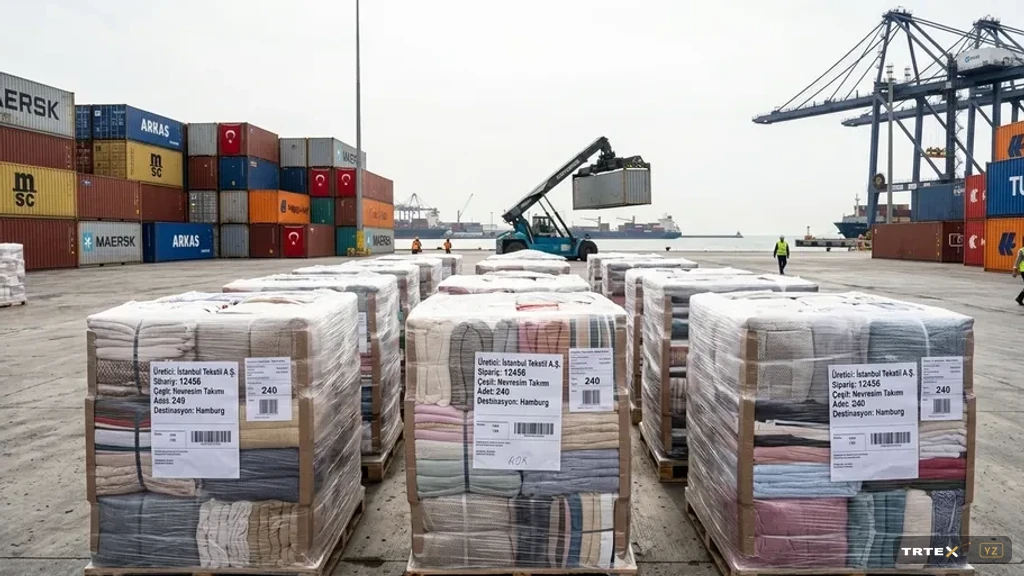
The global home textile market has entered a pivotal turning point, driven primarily by dynamic industrial shifts across the Far East. News emerging from Asia's manufacturing powerhouses, particularly China and Pakistan, is reshaping global supply networks across a broad spectrum ranging from raw material pricing and production capacities to freight logistics and bilateral trade agreements. These shifts are redefining competitive parameters across the multi-billion-dollar global home furnishings market, presenting Turkish manufacturers and exporters with compelling new opportunities alongside commercial risks requiring disciplined oversight.
This report examines recent Far Eastern industrial developments, presents the procurement perspectives of leading multinational corporations, and outlines actionable takeaways regarding how the Turkish textile sector can adapt to these structural realignments. Recent market intelligence underscores the rapid acceleration of these dynamics and their immediate operational impact on global sourcing.
Current Dynamics in China's Home Textile Sector and Global Repercussions
China has long occupied the undisputed leadership position in global home textile manufacturing. Recently, however, domestic wage inflation, stringent environmental enforcement, and international tariff volatility have triggered strategic production adjustments among Chinese mills. Fluctuations in raw cotton prices and localized energy quotas directly impact manufacturers' cost accounting. For instance, recent industry reports indicate that a 5% increase in cotton yarn benchmarks has been directly passed on to the export prices of basic household linens, including terry towels and duvet sets.
Faced with escalating Chinese production costs and recurrent maritime bottlenecks, major multinational retail conglomerates have accelerated vendor diversification initiatives. This shift is channeling substantial buyer attention toward alternative manufacturing hubs. While China's rapid economic reopening revitalized industrial capacity, it also generated near-term labor and logistics imbalances. This reality has reinforced the imperative for global retail brands to cultivate agile, resilient, and multi-regional supply chains.
Historically, the vast majority of Chinese home textile exports targeted North America and Europe. Recently, however, a marked strategic pivot toward Southeast Asian markets and African commercial hubs has gained momentum. This geographic reallocation reflects Beijing's deliberate efforts to maintain global trading volume amidst tightening Western import scrutiny.
Rising Trends and Competitive Advantages in Pakistan's Home Textile Industry
Pakistan continues its ascendance as a major international force in cotton-based home furnishings, particularly towels, bed sheets, and denim fabrics. Substantial domestic cotton harvests combined with competitive labor rates render Pakistan an attractive procurement alternative for global volume buyers. Despite domestic infrastructure challenges, including energy deficits and political volatility, the country's textile export sector has demonstrated notable resilience. Recent data from the Pakistan Textile Exporters Association indicates an 8% year-on-year increase in home textile export revenues.
- Raw Material Autonomy: Pakistan leverages domestic cotton crops to secure an initial cost advantage, directly moderating finished product prices. However, volatility in international raw cotton benchmarks continues to affect local mill margins.
- GSP+ Trade Status: Preferential GSP+ (Generalized Scheme of Preferences Plus) status granted by the European Union provides duty-free or preferential tariff entry into European markets, significantly bolstering export competitiveness.
- Government Incentive Schemes: The federal government supports industrial expansion through targeted textile subsidies and export tax incentives, facilitating factory modernization and capacity expansion.
- Eco-Conscious Manufacturing: Responding to international retail mandates for sustainable products, Pakistani mills are expanding investments in certified organic cotton and recycled synthetic yarns, securing valuable leverage in Western markets.
Strategies of Global Retail Giants and Strategic Takeaways for Turkish Mills
Multinational retail brands and home furnishing conglomerates (such as IKEA, H&M Home, Zara Home, Target, and Walmart) are actively restructuring supply networks to achieve greater operational elasticity, environmental traceability, and cost efficiency. Dynamics in China and Pakistan have accelerated corporate "China+1" and "Asia+1" vendor allocation models, creating unprecedented openings for Turkish suppliers.
These retail giants evaluate vendors not merely on baseline unit pricing, but equally on design originality, verified quality control, compressed lead times, recognized eco-certifications (such as OEKO-TEX and GOTS), and transparent ethical labor standards. Turkey occupies a strategic position for these buyers, anchored by geographic proximity to Europe, vertical manufacturing integration, agile design teams, and the European Customs Union framework. Within the European theater, short maritime transit times and rapid alignment with seasonal fashion trends set Turkish mills apart.
Actionable Strategic Directives and Industry Outlook for Turkish Textiles
Structural adjustments in the Far Eastern home textile landscape offer a defined strategic window for Turkish manufacturers and exporters. Capitalizing effectively on these market openings requires executing focused strategic measures:
First, Turkish mills must differentiate themselves through high-value-added fabrications and proprietary design capabilities. Offering premium, branded, and innovatively finished textiles enables producers to decouple from destructive commodity price wars and capture superior operating margins. Furthermore, certified compliance with international environmental benchmarks has become an absolute requirement for European retail buyers. Increasing organic cotton consumption, circular yarn integration, and closed-loop water and energy conservation will decisively enhance Turkish competitiveness.
Second, establishing direct commercial channels with multinational buyers seeking supplier diversification and amplifying visibility across digital B2B sourcing platforms is essential. Flexible manufacturing setups and the ability to process medium-sized custom orders rapidly represent crucial comparative advantages over Far Eastern mass suppliers. Leveraging short logistics transit times to guarantee compressed delivery schedules provides a compelling commercial argument for European procurement directors.
Finally, the Turkish textile sector must intensify investments in applied R&D and advanced manufacturing technology. Developing smart functional textiles, antimicrobial home linens, and digital ink-jet finishing will underpin long-term export growth. As global commercial patterns grow increasingly intricate, agile, innovative, and certified sustainable Turkish mills will emerge as prime beneficiaries of this international realignments.