Green Trends in the European Home Textile Market Boost Exports
Demand for sustainable home textiles in the European Union propelled exports by 12% in Q4 2023 to €7.8 billion, creating major strategic opportunities for eco-certified nearshoring suppliers like Turkey through 2026.
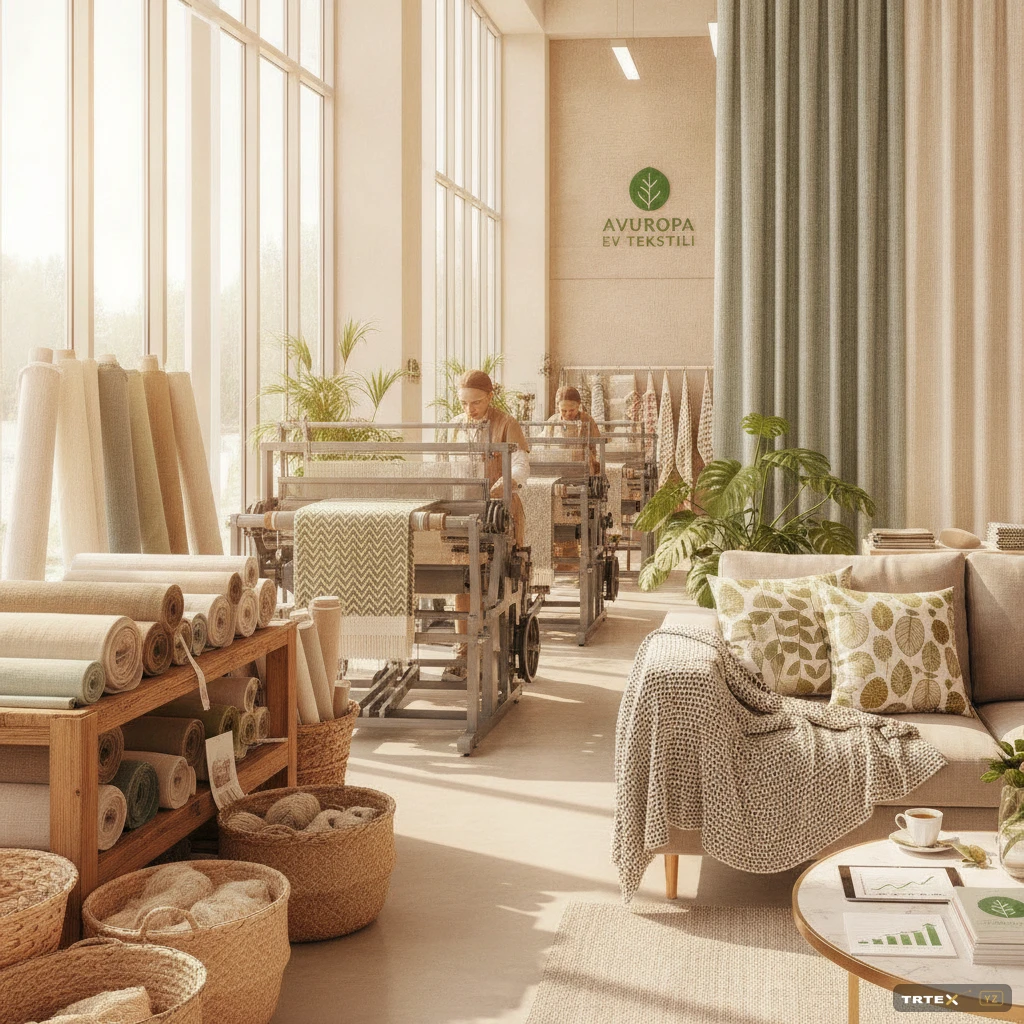
The European home textiles market has recently gained strong growth momentum, propelled by sustainability-focused approaches and rapidly evolving consumer preferences. Demand for products that meet environmentally friendly production standards is driving the sector's export performance to record highs. According to Eurostat data, home textile exports to the European Union in the fourth quarter of 2023 increased by 12% compared to the previous year, reaching €7.8 billion. This rise presents significant potential for industry players to consolidate existing markets and forge new partnerships.
The Driving Force of Sustainability and Green Transformation
New environmental regulations introduced under the European Union's "Green Deal" objectives are fundamentally transforming the home textiles sector. Manufacturers are encouraged to take decisive steps to mitigate environmental impacts across product life cycles. The utilization of natural and sustainable raw materials such as organic cotton, recycled polyester, linen, and hemp is expanding rapidly. Consumers no longer base purchasing decisions solely on aesthetics or price; they actively consider product provenance, manufacturing processes, and corporate social responsibility. This conscious consumer behavior triggers innovation and transparency across the value chain.
Sustainability extends beyond raw material selection to comprehensive manufacturing process optimization. Water and energy efficiency, circular waste management, and carbon footprint reduction have become vital procurement criteria for European importers and end consumers alike. Breakthroughs in textile recycling technologies enable post-consumer home textiles to re-enter circular supply loops. This systemic shift requires producers seeking a competitive edge in European markets to obtain green certifications and comply with rigorous international standards. Certifications such as OEKO-TEX, GOTS, and EU Ecolabel serve as gold-standard validations of sustainability commitments.
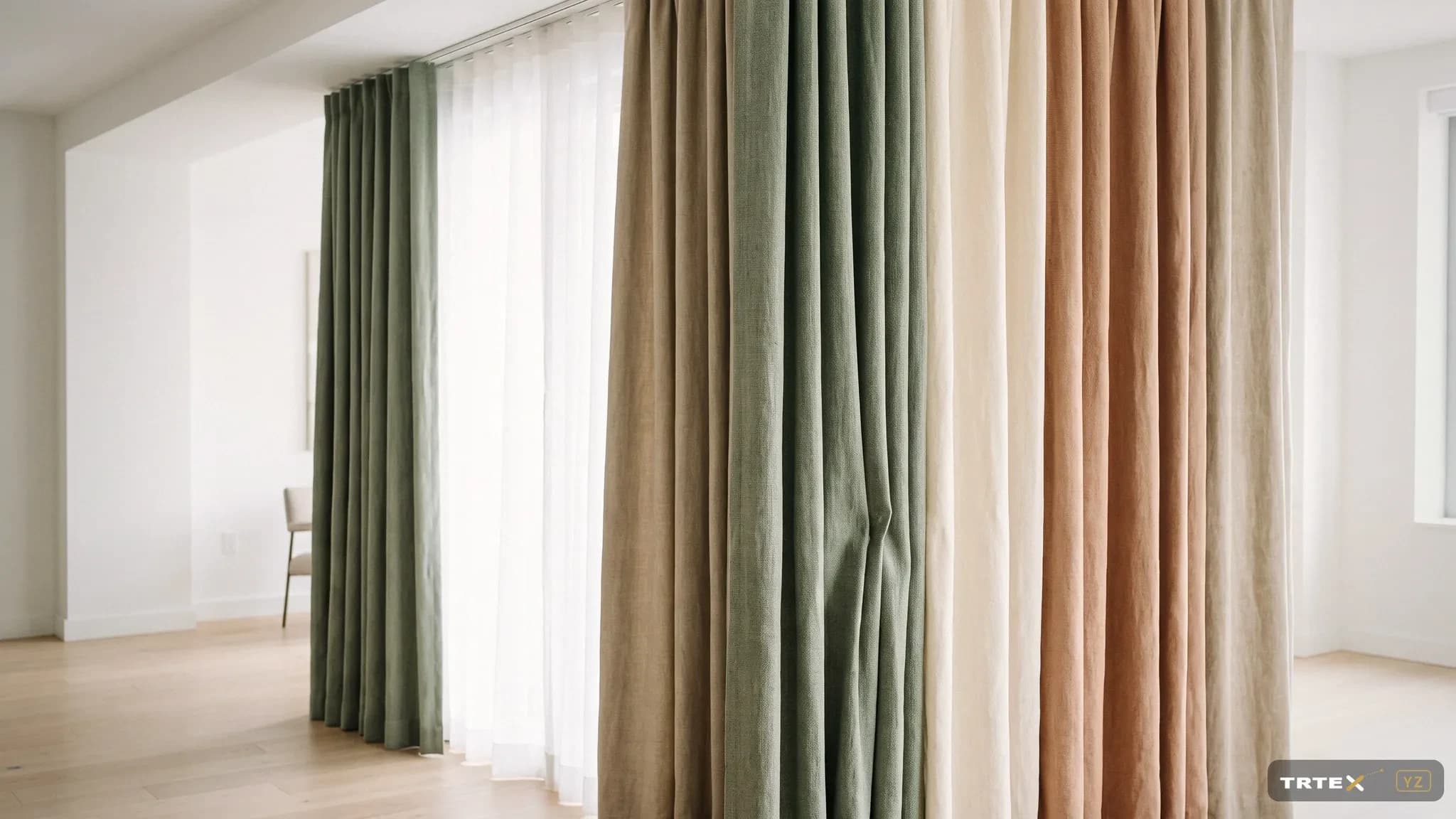
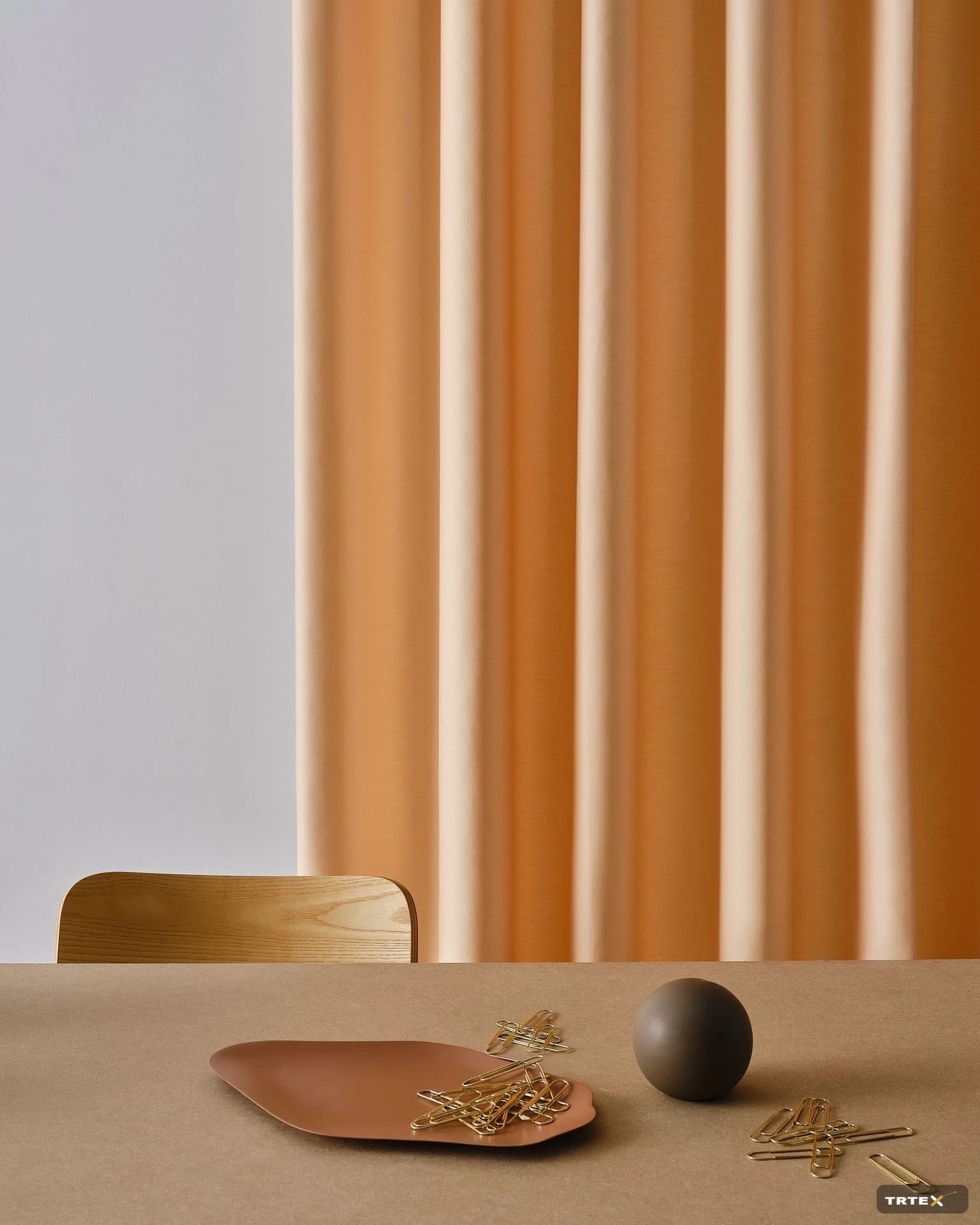
Expectations for sustainability are rising across product categories including curtains, upholstery fabrics, bed linens, and bath towels. In contract hospitality textiles, hotel chains and accommodation facilities are actively procuring eco-friendly products to meet corporate social responsibility targets and guest expectations. This trend directly influences commercial demand across the HORECA sector as well as retail channels. Interior designers play an instrumental role by specifying healthy, eco-conscious fabrics in turnkey projects, cementing sustainability as the governing industry baseline through 2026 and beyond.
Market Dynamics and Emerging Trade Routes
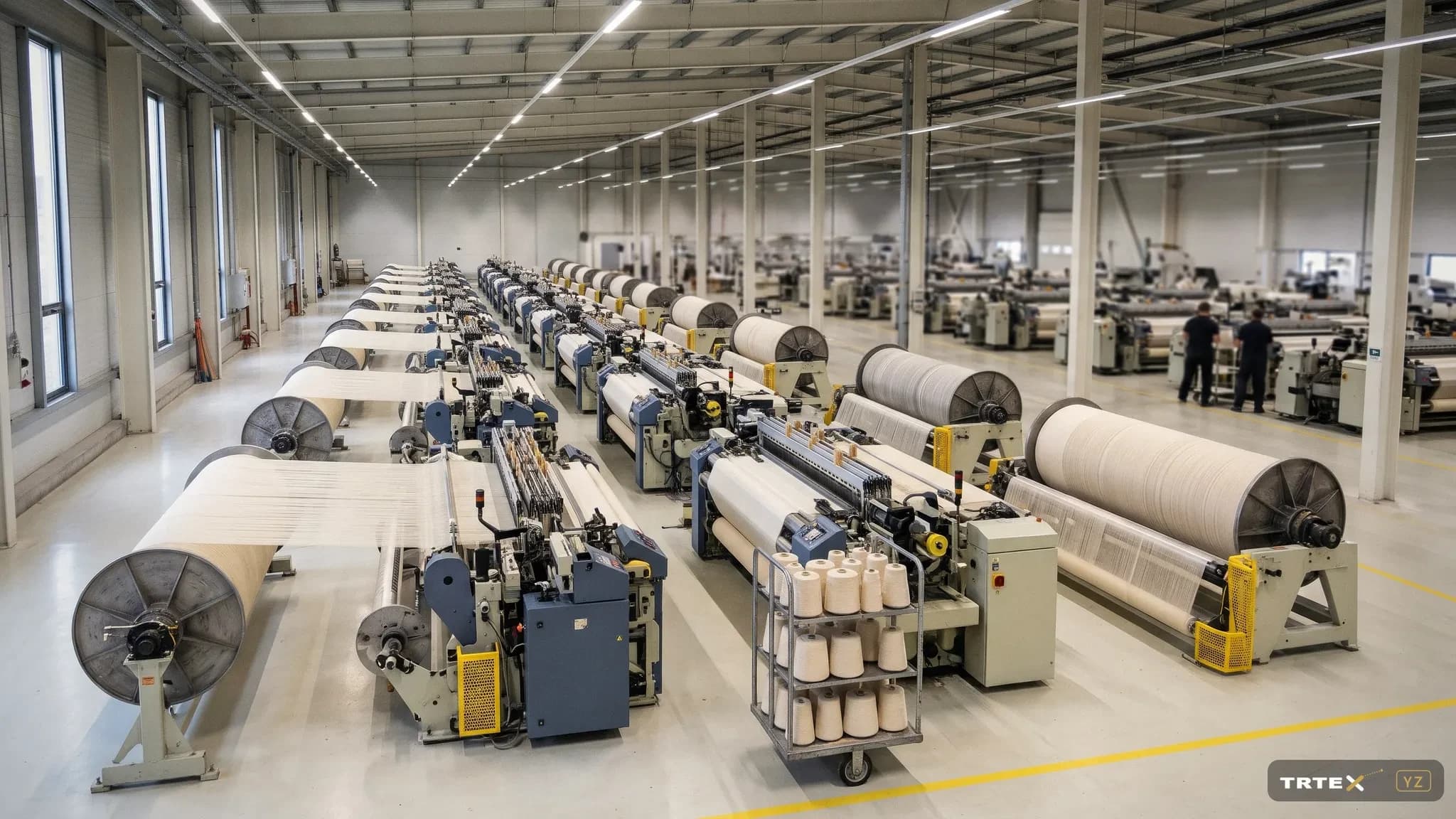
Growing demand across the European home textiles market is reshaping global supply chain dynamics. Suppliers must deliver cost competitiveness alongside uncompromising manufacturing quality, agile lead times, and environmental compliance. Supply chain disruptions and geopolitical friction affecting Asian logistics corridors have heightened the strategic relevance of nearshoring manufacturing hubs adjacent to Europe. Turkey has emerged as an exceptionally compelling partner due to geographical proximity, flexible manufacturing capacities, and swift alignment with EU regulations. Turkish producers are leveraging high-grade raw materials and modern finishing facilities to expand their European footprint.
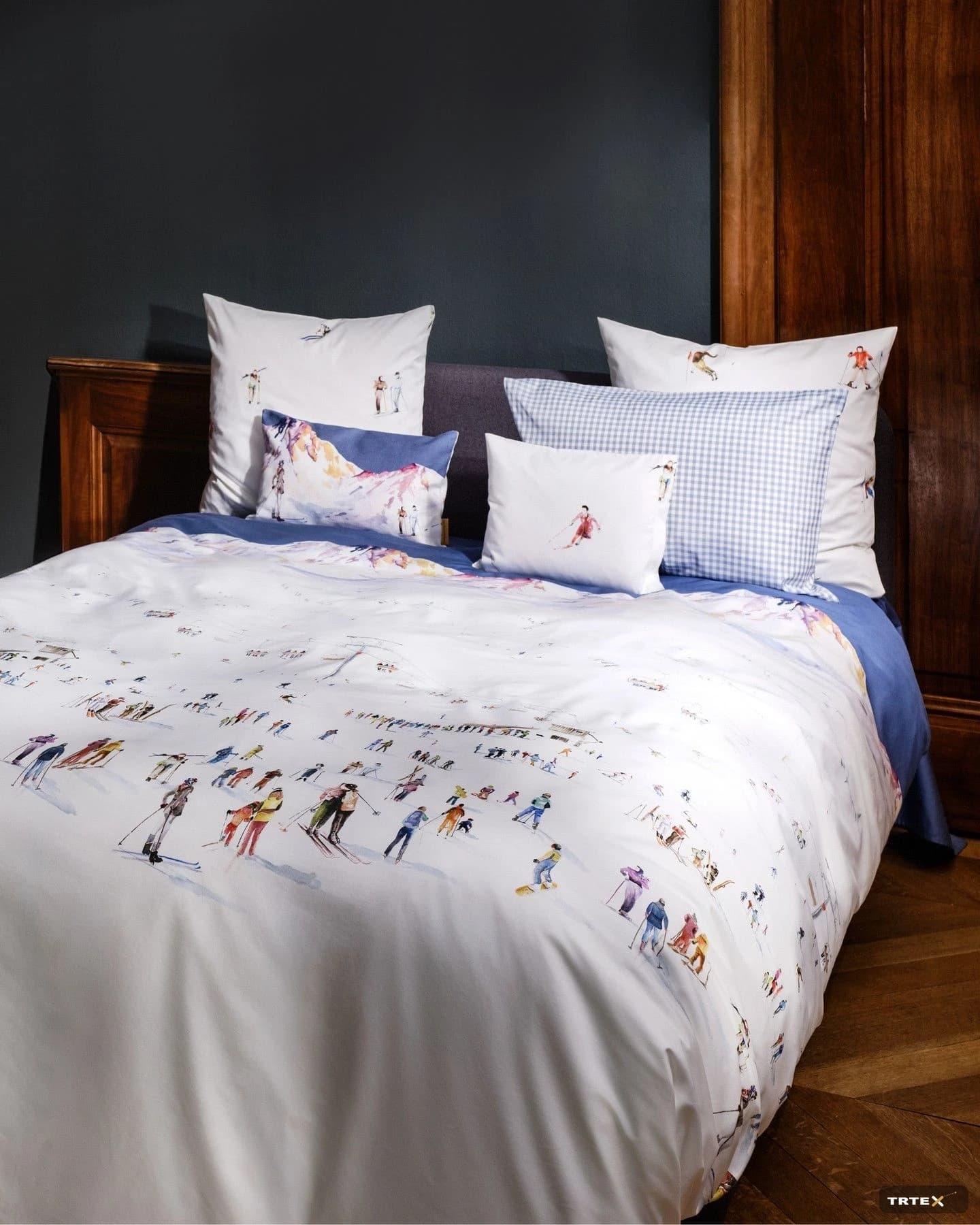
Another prominent market dynamic is the surging appetite for customization and specialized niche product lines. Consumers increasingly favor bespoke designs, distinctive tactile textures, and limited editions over mass-produced goods. This pivot empowers small and mid-sized manufacturers to secure competitive advantages through tailored offerings. Advances in digital printing technologies support agile short-run sampling and flexible production batches. Simultaneously, smart home textiles—including thermally regulating curtains, moisture-wicking linens, and photo-responsive smart fabrics—are defining the market's high-tech frontier.
Nevertheless, the industry confronts notable headwinds. Escalating energy costs, persistent inflationary pressures, and shortages of skilled technical labor challenge operating margins. Despite these obstacles, the overarching trajectory of the European market remains robustly positive. Premium segments and functional home textile solutions command healthy margins, serving as primary growth engines. High-performance attributes—such as stain-resistant upholstery, thermal-insulating drapery systems, and high-durability contract linens—stand at the forefront of buyer preferences, elevating the strategic importance of R&D investments.
In summary, the European home textiles market is undergoing dynamic transformation driven by sustainability, technological innovation, and evolving consumer values. Enterprises investing in green manufacturing, creative design, and agile supply chains will dominate this competitive arena. The sustained growth projected through 2026 presents transformative opportunities for prepared stakeholders, demanding continuous adaptation and process refinement. By elevating interior aesthetics and functional performance, home textiles are becoming integral expressions of a sustainable lifestyle, ensuring forward-thinking manufacturers a permanent competitive edge.