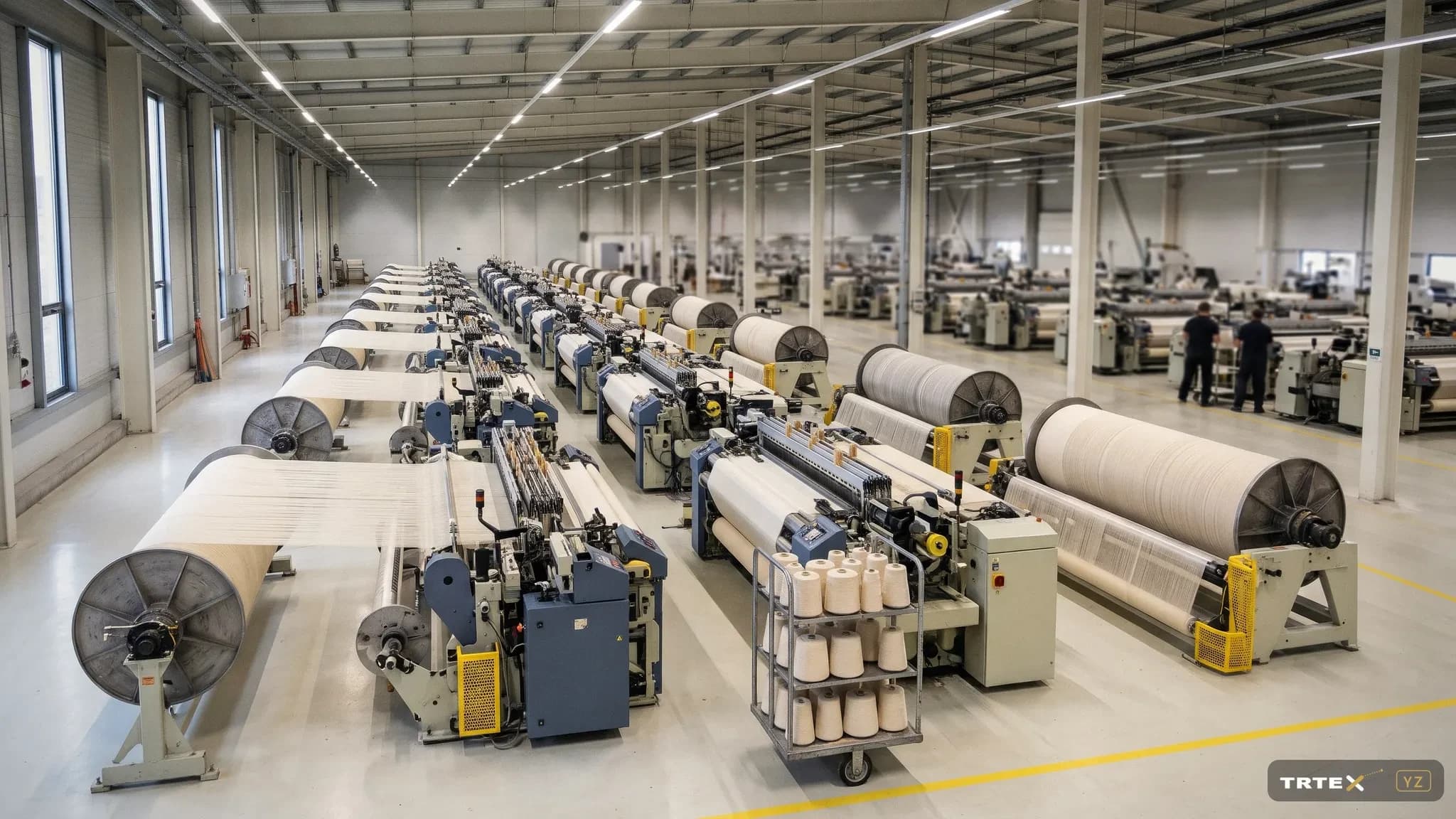
B2B E-Commerce Platforms Transform the Supply Chain in the Textile Sector
B2B e-commerce platforms are rapidly expanding across the textile sector, enabling manufacturers, wholesalers, and international retail buyers to forge a more transparent, agile, and cost-effective digital supply network.

Traditional B2B commercial frameworks across the textile industry are undergoing profound structural metamorphosis propelled by accelerating digitalization. Gaining decisive momentum in the post-pandemic business climate, digital B2B marketplace platforms act as vital connective bridges uniting fabric mills, wholesale distributors, and retail procurement teams. Through these specialized portals, enterprises seamlessly connect with verified international trading partners worldwide, present dynamic digital fabric swatch catalogues, and execute end-to-end procurement workflows online. This seamless integration saves substantial administrative time while dramatically driving down operational overheads.
Digital B2B platforms provide textile enterprises with immediate access to diversified global product portfolios while concurrently unlocking high-value business intelligence and predictive trend tracking. Powered by big data analytics and AI-driven matching algorithms, procurement officers identify optimal manufacturing vendors tailored precisely to their technical specifications, while mills target high-intent commercial buyers with elevated precision. Transparent multi-currency pricing, escrow-secured digital payment mechanisms, and integrated freight tracking infrastructure represent additional foundational advantages offered by these platforms.

Agility and operational throughput in supply chain governance constitute paramount determinants of competitive advantage within the contemporary textile ecosystem. B2B e-commerce portals digitize the entire order-to-delivery lifecycle, compressing fulfillment lead times and virtually eliminating clerical errors. Furthermore, in the event of upstream disruptions along traditional sourcing corridors, these networks enable instant discovery of vetted alternative suppliers, substantially fortifying enterprise risk mitigation frameworks—a capability indispensable amid global geopolitical and trade uncertainties.
Looking ahead, B2B textile commerce platforms will deliver increasingly integrated and customized services. The adoption of blockchain for immutable supply chain provenance, automated smart contracts for secure commercial settlements, and interactive virtual 3D showrooms for immersive fabric evaluation represent dominant emerging paradigms. Turkish textile producers are actively embracing this digital transformation, adopting proactive strategies to consolidate their international market footprint and capture high-value export opportunities.