Bursa Textile Route Pivots to Technical Products: UTİB Aims for Over 25%
UTİB aims to elevate the share of technical textiles in Bursa's textile exports beyond 25% in the medium term. This strategy highlights smart textiles and high-performance contract home decor.
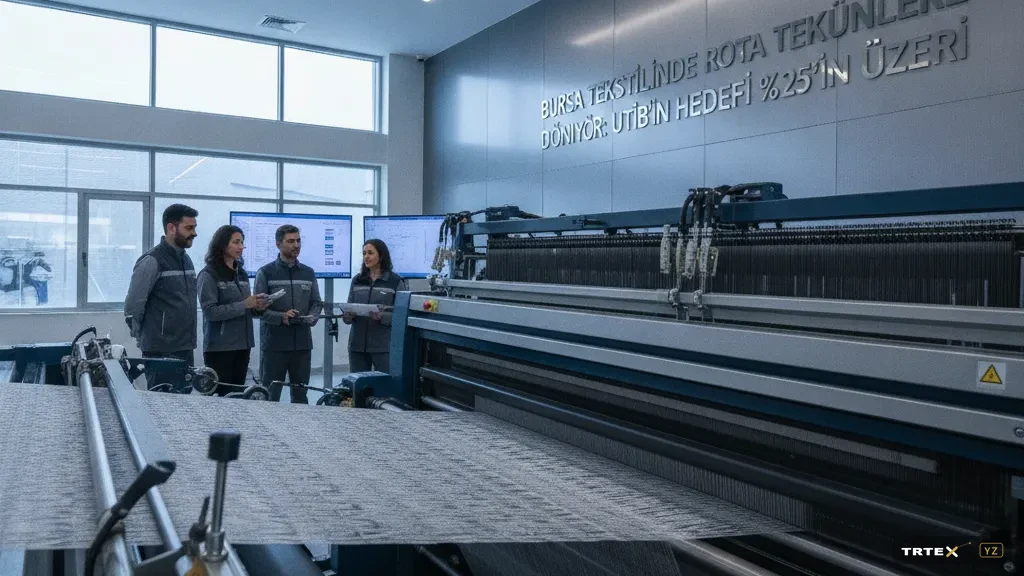
According to a report by Dünya Gazetesi dated July 17, the Uludağ Textile Exporters' Association (UTİB) aims to raise the share of technical textiles in Bursa's total textile export volume from its current 15-18% level to over 25% in the medium term.
In this new value-driven manufacturing blueprint, smart fabrics, automotive and medical textiles, and diversified non-traditional export destinations take center stage.
Why Technical Textiles?
While price competition intensifies across commodity textile categories, technical textiles command significantly higher profit margins due to stringent performance requirements and specialized certification thresholds. In automotive, contract hospitality, and medical applications, buyer-supplier relationships are established on a multi-year basis, providing operational stability for manufacturers seeking predictable order volumes. Bursa's established spinning and weaving infrastructure provides a natural initial springboard for this technological upgrade.
Direct Impact on Home Textile Manufacturers
Although the strategy focuses explicitly on technical textiles, a parallel value-addition imperative confronts home furnishings: functional criteria such as flame retardancy, acoustic sound insulation, and antimicrobial properties are increasingly becoming mandatory specification requirements for commercial hotel and healthcare interior projects. In contract furnishings, mills capable of substantiating these performance attributes with accredited lab certificates differentiate themselves far beyond price competition. Upcoming trade data releases will demonstrate UTİB's progress toward this target.
Transitioning toward high-value-added textiles is not merely a matter of machinery procurement; it necessitates establishing dedicated testing and certification infrastructure, hiring specialized technical engineering talent, and mastering the procurement standards of target client industries. Consequently, roadmap announcements by regional exporter associations serve both as strategic guideposts and early indicators of upcoming governmental support mechanisms. TRTex will continue following the practical execution of UTİB's strategy and subsequent export metrics with primary source citations.
Timing is equally critical to the success of regional industrial strategies: given that capital expenditure cycles in technical industries are extensive, partnerships initiated today typically yield commercial returns several seasons later. Therefore, the true test of this announced milestone will unfold across corporate-level certification and targeted international marketing initiatives in the coming quarters; industry observers will track these steps through shifts in regional export composition.
Source: Dünya Gazetesi — targets and percentages belong to the source; report is limited to information provided in the original publication.