Denizli's Export Demands Conveyed to Minister of Trade: FX Conversion and Inward Processing Regimes on the Table
DENİB submitted critical demands to Trade Minister Ömer Bolat regarding foreign exchange conversion subsidies, inward processing extensions, and trade fair grants for the home textile sector.

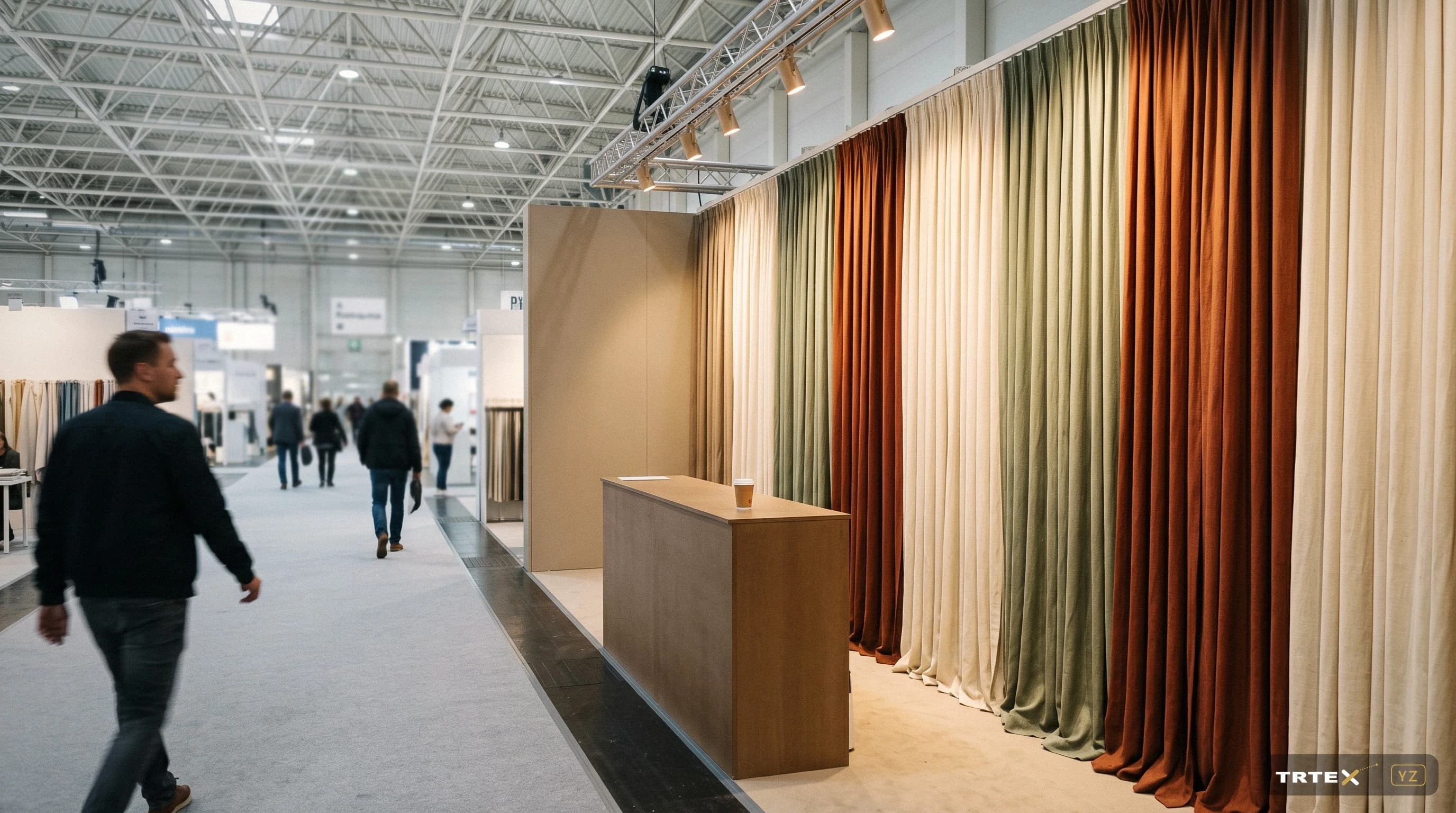
According to Kent20 Haber, Osman Uğurlu, representing the Denizli Exporters' Association (DENİB), conveyed the strategic demands of the home textile manufacturing sector to Minister of Trade Ömer Bolat during the HOMETEX 2026 exhibition. Key items addressed included foreign exchange conversion support, time extensions for the Inward Processing Regime (DİR), and expanded trade fair subsidies.
The fair also hosted the prestigious "Turkish Towels" national promotional pavilion. Bilateral discussions underscored strategic branding, technical innovation, eco-certified production, and rapid fulfillment advantages, while highlighting rising European textile import volumes as an exceptional opportunity across target markets in the EU and the United States.
Background and Context of the Industry Demands
The Inward Processing Regime is a cornerstone fiscal mechanism enabling manufacturers to import raw material inputs duty-free for export fabrication; time-extension requests reflect the operational necessity of closing export customs files smoothly during prolonged global production cycles. Concurrently, foreign exchange conversion subsidies seek to mitigate the financial stress of exchange rate fluctuations upon corporate balance sheets. Fair participation grants serve as vital cost-sharing mechanisms, particularly for SME manufacturers facing elevated overseas marketing overheads.
Sectoral Perspectives and Analytical Evaluation
Direct representations by industry associations before ministerial leadership represent a routine component of tailoring national support programs to operational ground realities. Potential legislative amendments will be published via the Official Gazette and Ministry of Trade communiqués; TRTex will continue reporting official developments with primary source attribution.
The agendas formulated by exporter unions serve as an accurate diagnostic map of immediate industrial pressure points: prioritized agenda items indicate where operational burdens are heaviest. Raising exchange volatility, input inflation, and overseas promotion costs concurrently highlights that international competition is waged across financial balance sheets and global marketing as intensely as on factory production floors. TRTex will continue announcing governmental decisions as they emerge.
Within Denizli, the imperative of these demands correlates directly with the regional economic fabric: in an export-dominated manufacturing hub, the timing and execution of state incentives directly govern capital expenditure decisions and workforce utilization rates. The extent and timing of governmental policy responses will become clear through official announcements in upcoming weeks.
Source: Kent20 Haber (May 20, 2026) — demands and designations belong to the source publication.