Dezeen Showcases Next-Gen Minimalist Acoustic Curtains for Offices
Dezeen presented minimalist acoustic curtain collections combining sound absorption and aesthetic space division for open-plan offices, establishing a lucrative B2B specification market for textile suppliers.
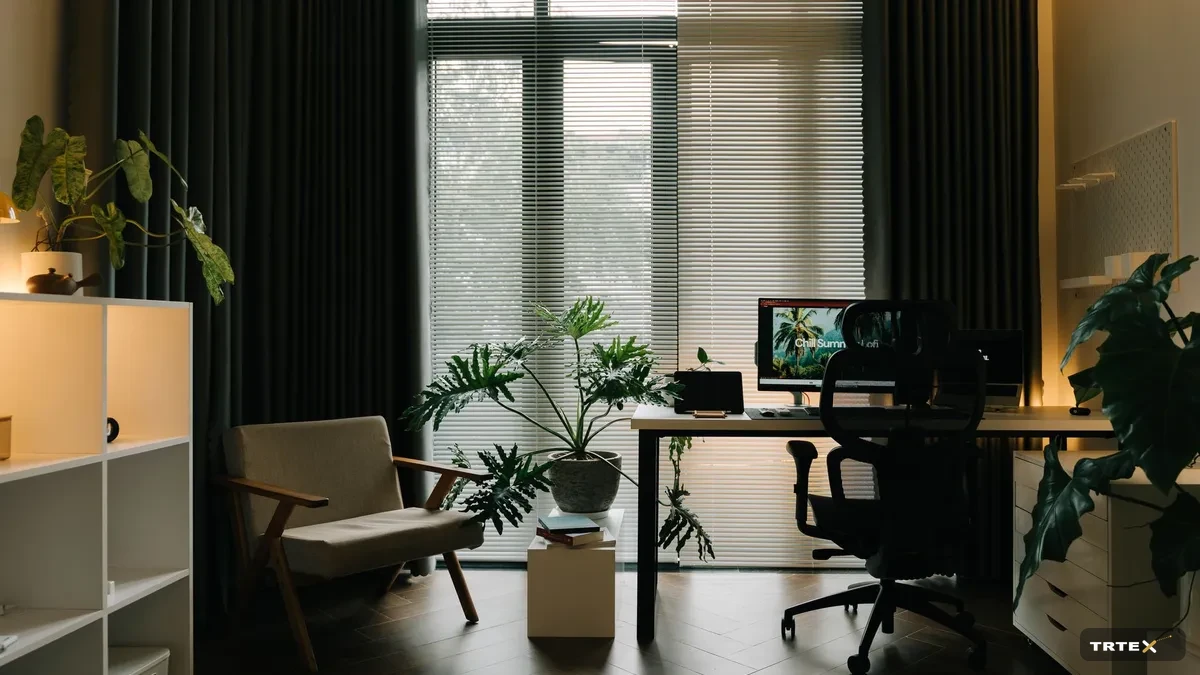
Acoustic Challenges Mount in Open-Plan Offices
While the open-plan office model championed by contemporary corporate architecture over the past decade promised transparency and seamless collaboration, it also introduced significant acoustic comfort challenges. Noise pollution ranks among the foremost factors undermining workplace productivity. According to International Facility Management Association (IFMA) surveys, more than sixty percent of office employees identify ambient noise in open workspaces as the chief deterrent to their day-to-day focus and output. This widespread reality is fueling corporate demand for high-performing architectural acoustic solutions.
Dezeen, the globally renowned architecture and design platform, has spotlighted next-generation minimalist acoustic curtain collections tailored to address this demand. These innovative textiles combine sound dampening, reverberation control, and elegant spatial division into a unified furnishing element.
Technical Performance: Engineering Meets Aesthetics
Acoustic curtains distinguish themselves fundamentally from conventional drapery through their engineered material composition and multi-layered weave construction. Frequently incorporating high-density polyester felts, recycled PET fiber sound-absorbing batting, and complex double-weave configurations, they effectively mitigate sound reflections and achieve superior Noise Reduction Coefficient (NRC) ratings. High-specification acoustic textiles typically attain NRC ratings between 0.65 and 0.90, signifying sound absorption capacities multiple times higher than standard contract drapery fabrics.
A key highlight in the collections featured by Dezeen is the modular ceiling track hardware. These integrated overhead systems enable curtains to glide effortlessly, allowing spaces to be reconfigured dynamically without permanent partitioning or structural alterations. This flexibility is highly coveted by commercial tenants who frequently adapt floor plans to changing lease cycles and agile work modes.
 *Görsel: Jakub Zerdzicki (Pexels) — Kurumsal ofis iç mekânında akustik tekstil panel ve perde detayı*
Minimalist Aesthetic Aligning with "Quiet Luxury" Corporate Identity
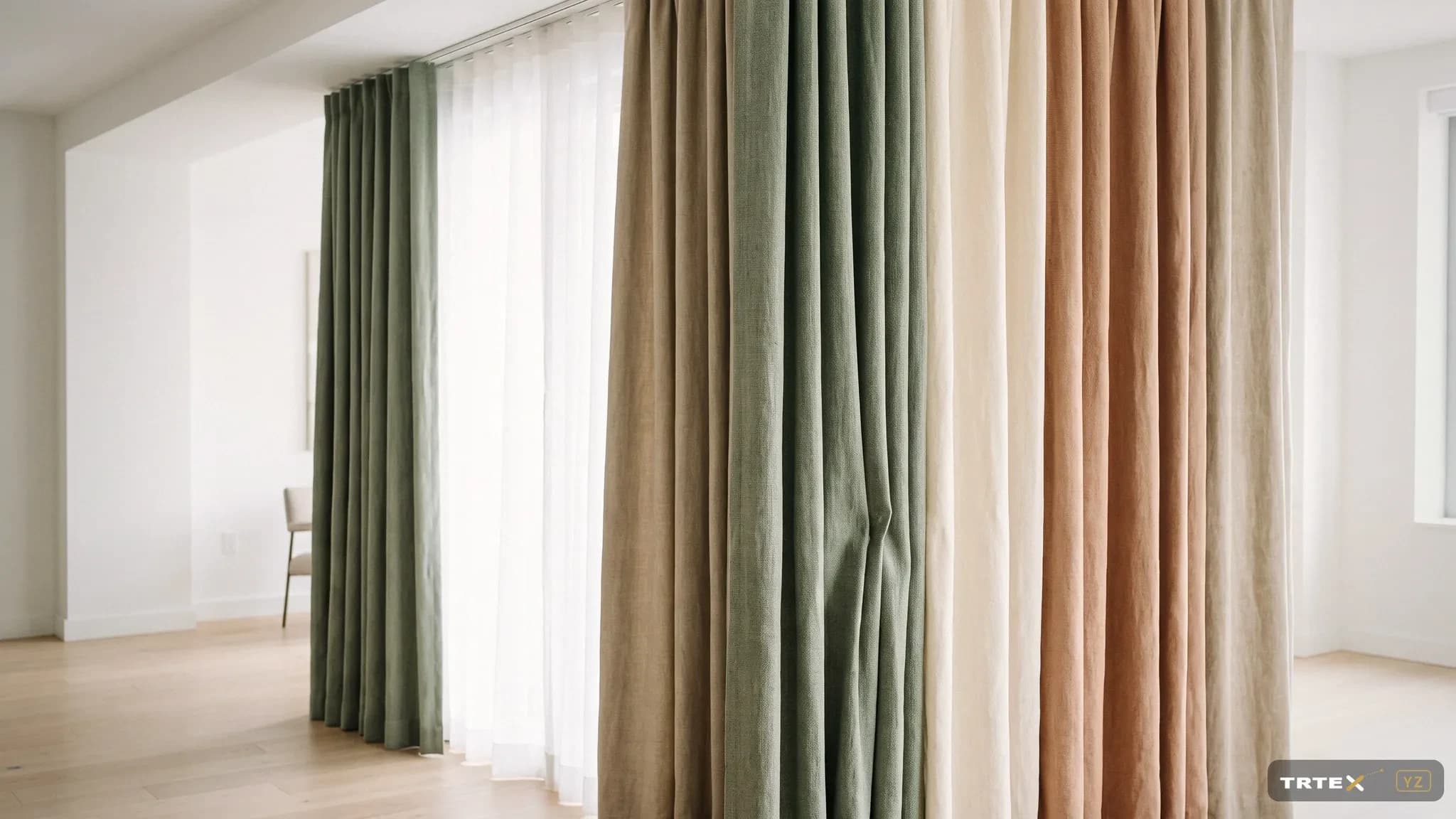
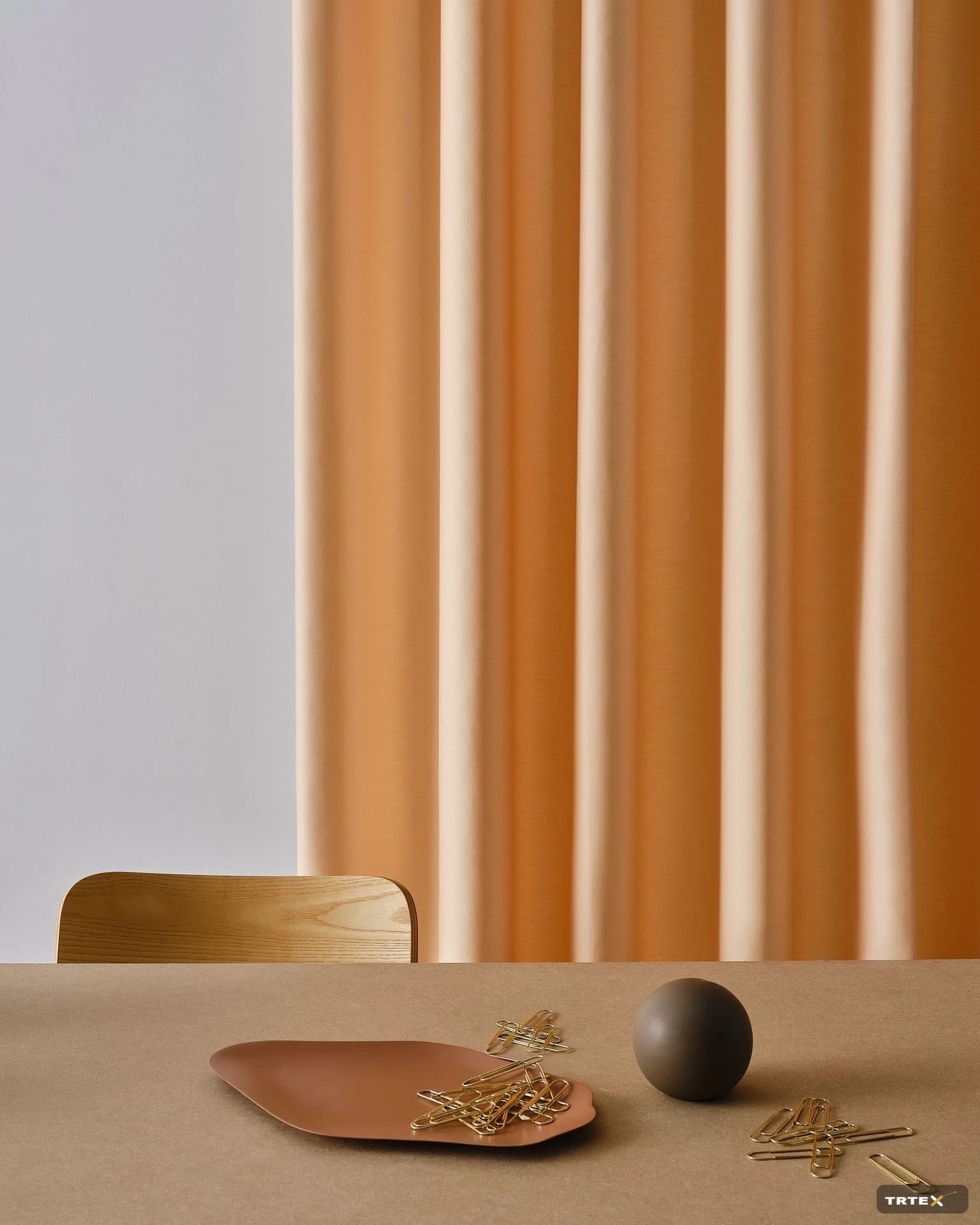
From an interior design standpoint, the collections are characterized by refined neutral palettes, tactile plain weaves, and discreet architectural hardware profiles. Harmonizing with the "quiet luxury" aesthetic increasingly favored across corporate headquarters, this design approach helps organizations cultivate work environments that are both acoustically serene and brand-representative.
In project specification workflows, interior architects and workplace strategists now routinely demand verified laboratory acoustic test certificates, such as ISO 354 reverberation chamber or ASTM E1050 impedance tube reports. Securing accredited third-party acoustic performance testing has shifted from a voluntary luxury to an indispensable prerequisite for entering commercial spec sheets.

B2B Market Dynamics and Strategic Opportunities
The commercial acoustic curtain segment follows a procurement cycle distinctly different from residential textiles. Decision-making is typically steered by a tripartite collaboration among interior design consultants, facility managers, and corporate procurement directors. High-volume project-based orders flow through direct architectural specification pipelines rather than traditional retail channels.
The global commercial office furniture and interior solutions sector is projected to expand at a compound annual growth rate of five to seven percent through 2027, with acoustic wellness products capturing a substantial share of this growth. For ambitious textile mills, this landscape presents an exceptional high-margin opportunity, particularly when targeting commercial developments across Europe and the Gulf region.
Strategic Outlook for Textile Exporters
While many textile manufacturing hubs possess world-class capacities in jacquard weaving and upholstery, dedicated product development and international certification in high-performance acoustic fabrics remain under-indexed. The growing spotlight cast by global taste-makers like Dezeen signals that performance-driven interior textiles represent the next major value frontier.
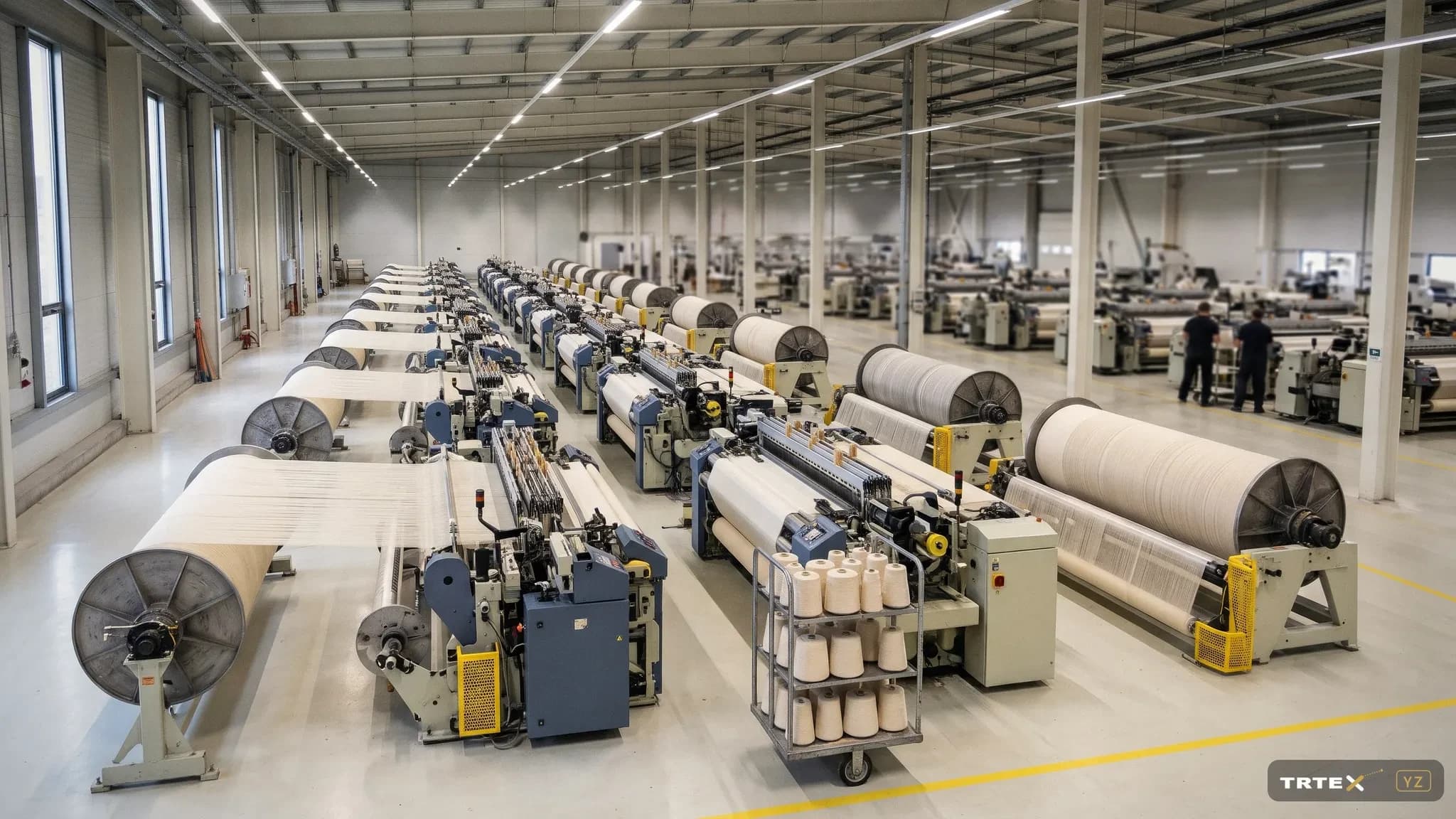
For textile manufacturers, the primary strategic step involves assessing current loom and finishing capacities against acoustic criteria and launching dedicated, NRC-tested contract textile lines. For sales teams, fostering direct partnerships with commercial interior design practices ensures early positioning in architectural specifications.
Conclusion: Silence as an Essential Design Element
Acoustic comfort in modern workplace design has ceased to be an afterthought and has become a baseline requirement. Dezeen's showcase reaffirms a defining trend: when functional silence converges with minimalist aesthetics, it generates profound commercial and human value. For textile mills, specifiers, and corporate buyers, the time has arrived to position acoustic excellence at the core of interior portfolios.