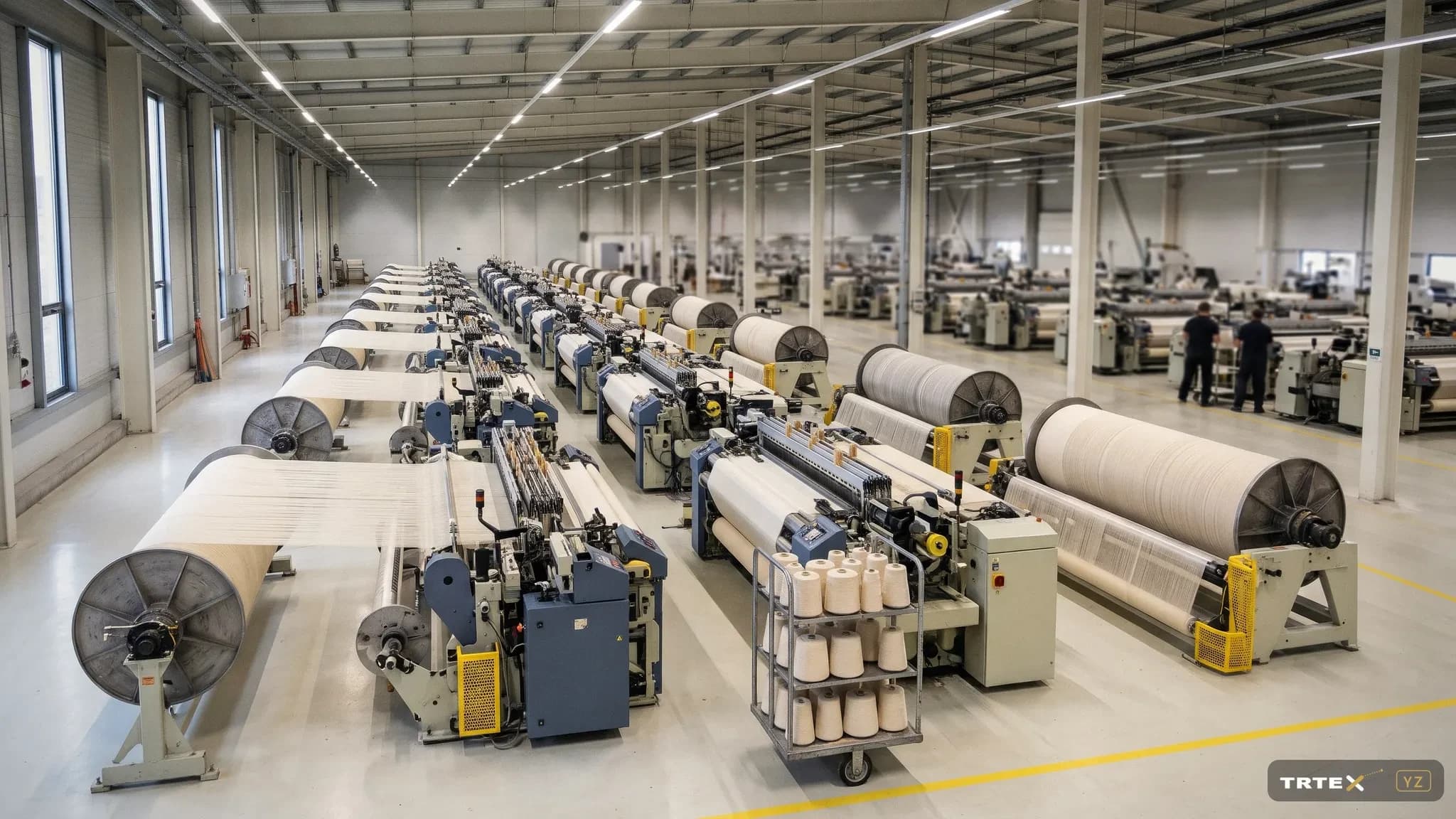
EDANA Highlights Growth in Nonwoven Recycling and Circularity
EDANA reported that recycling infrastructure in the nonwoven sector is expanding rapidly, opening new B2B market opportunities in hygiene, medical, and filtration textiles aligned with EU directives.
EDANA Report: Circular Economy Transition Accelerates in the Nonwovens Industry
The European Disposables and Nonwovens Association (EDANA) highlighted in its latest market report that recycling rates and circular economy integration in nonwoven materials are experiencing substantial acceleration. The report comprehensively reviews biodegradable fiber innovations across hygiene products, filtration systems, and medical textiles, and how these developments align with the European Union's green transition objectives.
Nonwoven materials feature a wide spectrum of applications including baby diapers, adult incontinence products, surgical drapes, air filters, and geotextiles, representing a critical pillar of the global technical textiles market. Annual European nonwoven production is estimated at over 2 million tonnes, with the industry facing increasing regulatory scrutiny under the EU Circular Economy Action Plan.
Tangible Progress in Recycling Infrastructure
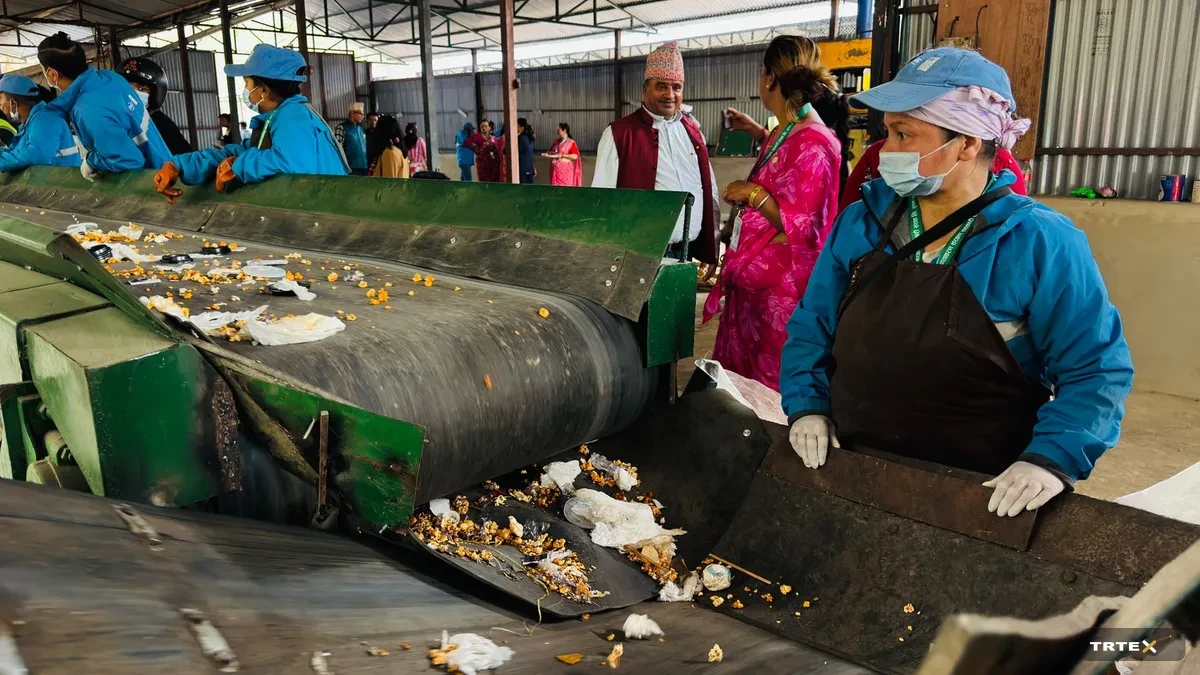
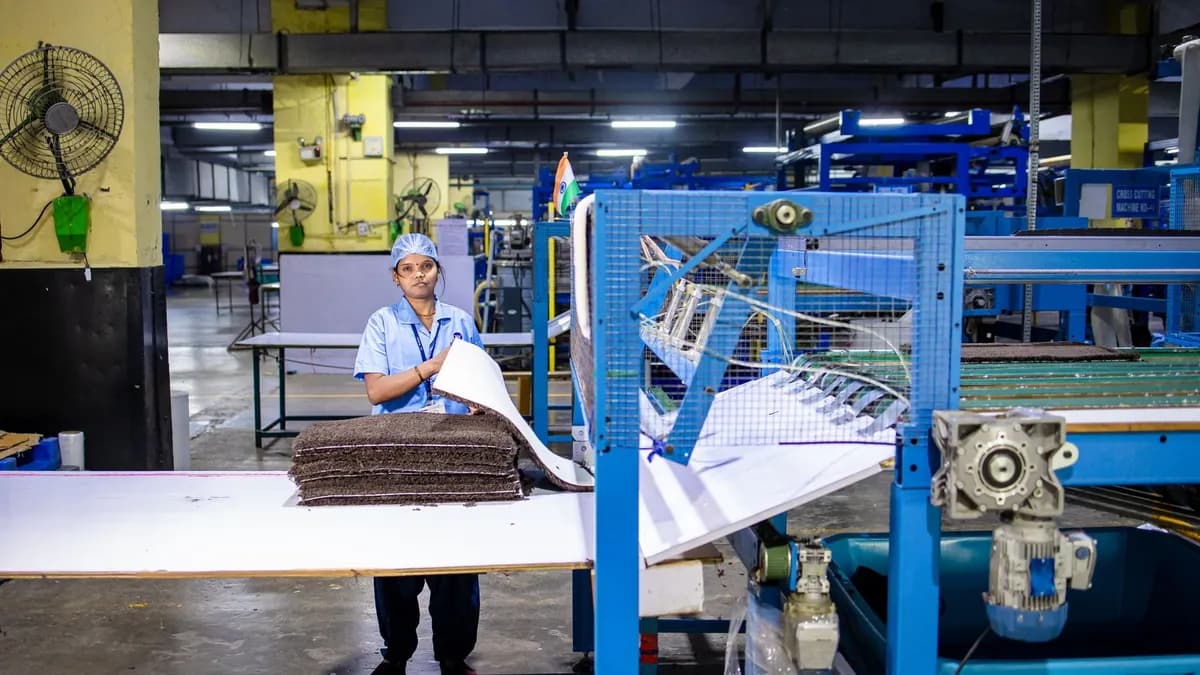
According to the EDANA report, manufacturers across the industry have stepped up investments in mechanical and chemical recycling technologies. Dedicated processing lines are being commissioned, particularly for recycling polypropylene (PP) spunbond and meltblown fabrics, enabling the transformation of post-industrial scrap and post-consumer materials into valuable secondary raw materials.
In the hygiene sector, pilot collection and sorting schemes for post-consumer nonwoven waste are gaining ground. Joint collection networks established with municipalities in several European countries ensure these materials are diverted from landfills to specialized recycling facilities. EDANA underscores the need to scale these pilot initiatives across the continent.
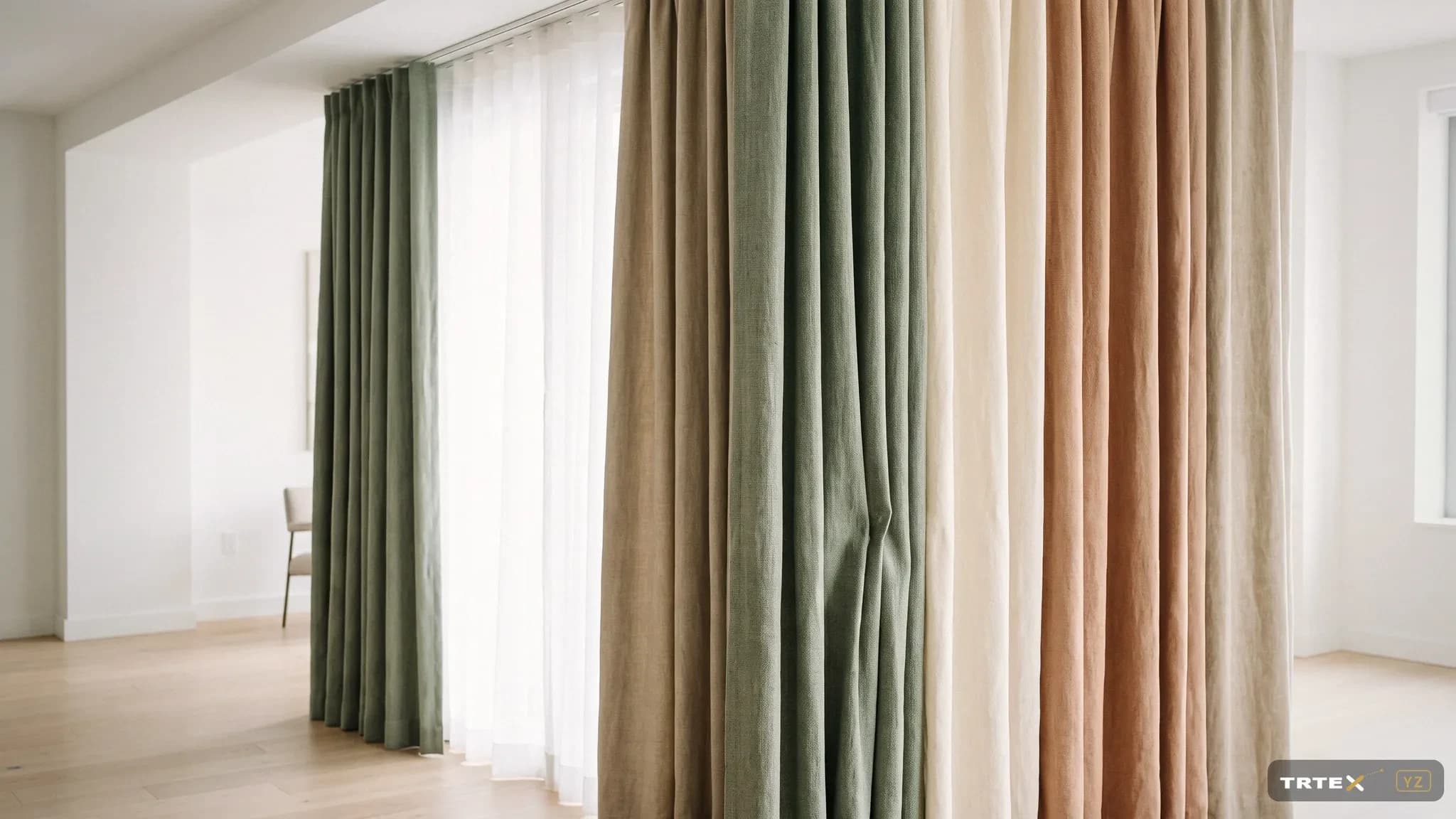
 *Görsel: Berna (Pexels) — Sürdürülebilir tekstil geri dönüşüm malzemeleri ve biyobazlı lifler*
Biodegradable Fiber Innovations Take Center Stage
A focal finding of the report is the growing market share of bio-based and biodegradable fibers in nonwovens manufacturing. Polylactic acid (PLA) fibers derived from corn starch, wood-pulp-based lyocell, and bamboo viscose are actively researched and commercially deployed as viable alternatives to traditional petrochemical PP and PET fibers.
In medical textiles, utilizing bio-based nonwovens for single-use surgical drapes and patient gowns helps reduce carbon footprints and lowers clinical waste management costs. In filtration, advanced nanofiber media provide higher particulate capture efficiency within recyclable single-polymer configurations.
Impact of EU Regulations and R&D Investments
Regulatory frameworks such as the EU Single-Use Plastics (SUP) Directive and the Ecodesign for Sustainable Products Regulation (ESPR) are compelling producers to rethink product architecture. While posing short-term compliance costs, this regulatory push provides a competitive moat for agile manufacturers developing next-generation circular products.
EDANA also emphasizes that EU-funded R&D projects through Horizon Europe are delivering tangible technology transfer. Advanced bonding methods that accommodate higher recycled content, water-based chemical finishes, and energy-efficient manufacturing lines are direct results of these collaborative initiatives.
B2B Supply Chain Opportunities
This ongoing transformation offers concrete commercial opportunities across supply chain tiers. Upstream raw material suppliers of bio-based polymers and fibers can secure multi-year off-take agreements amid rising market demand. Machinery and equipment manufacturers are discovering a lucrative niche in retrofitting and supplying recycling-ready production lines.
Downstream buyers, including retail chains, hospital procurement consortiums, and automotive filtration OEMs, increasingly demand verified circularity certificates and recycled content declarations from their suppliers, opening fertile ground for certification and traceability service providers.
Conclusion: Strategic Roadmap Ahead
EDANA's report demonstrates that while the nonwovens sector is in the early stages of circular economy adoption, momentum is accelerating. Expanding recycling infrastructure, establishing post-consumer collection schemes, and improving the cost competitiveness of bio-based inputs remain top priorities. Proactive adaptation by industry stakeholders will prove decisive for regulatory compliance and market leadership.