Turkish Home Textile Sector Accelerates Global Growth through Strategic Market Diversification
Aiming to build systemic resilience against global macroeconomic volatility, the Turkish home textile sector is diversifying its export footprint beyond traditional EU destinations into the Middle East, Africa, CIS, and Latin America.

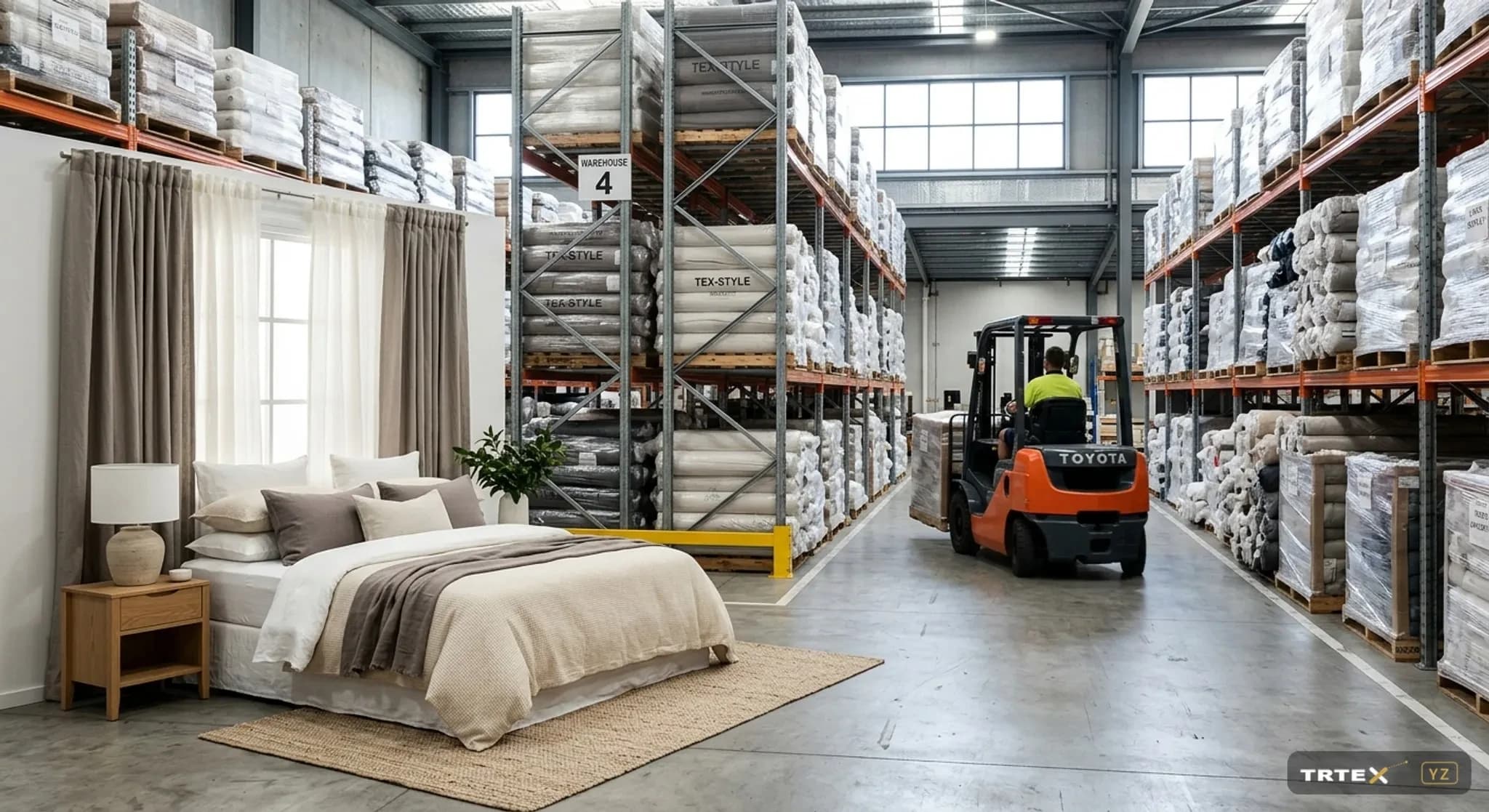
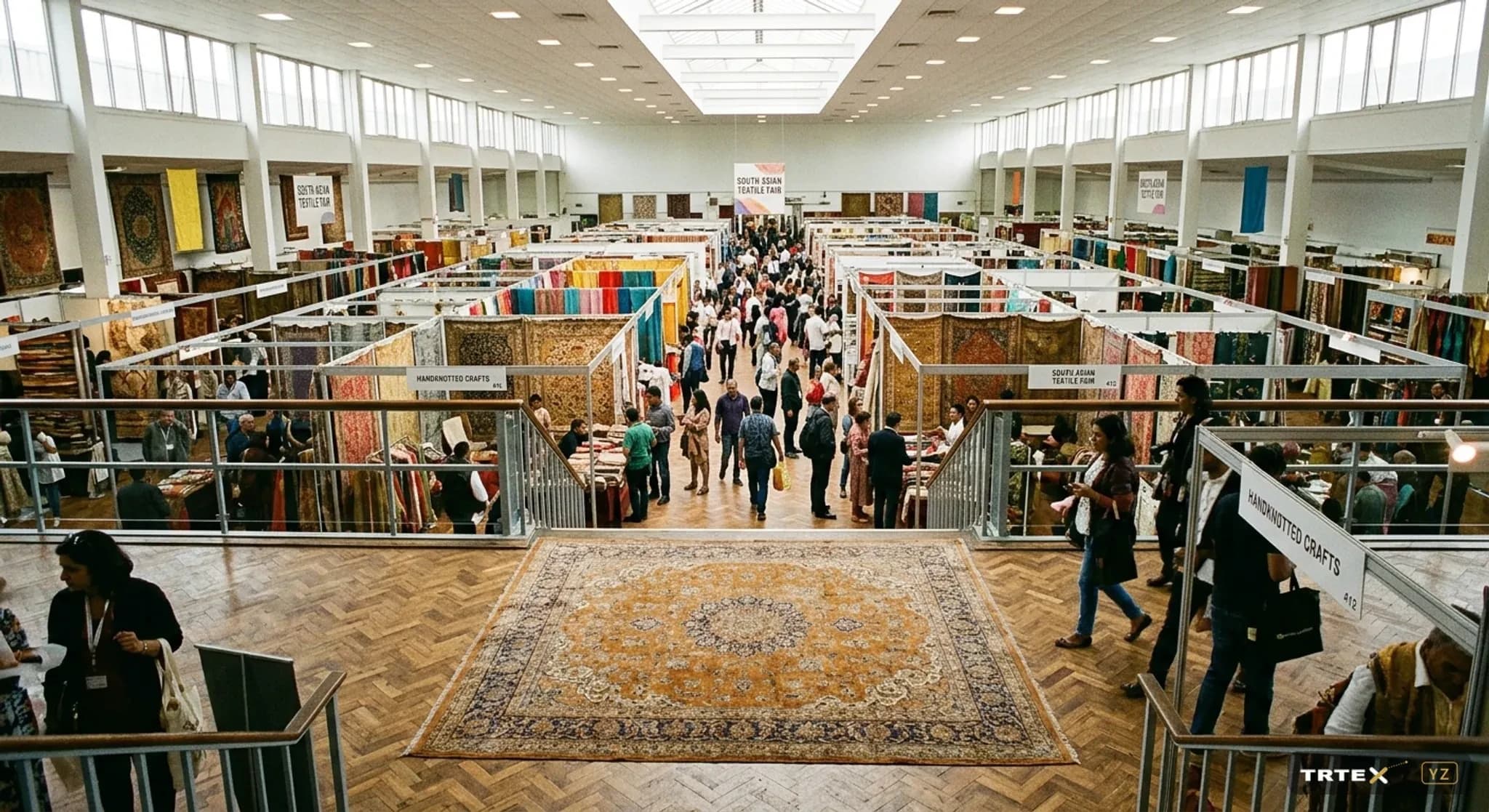
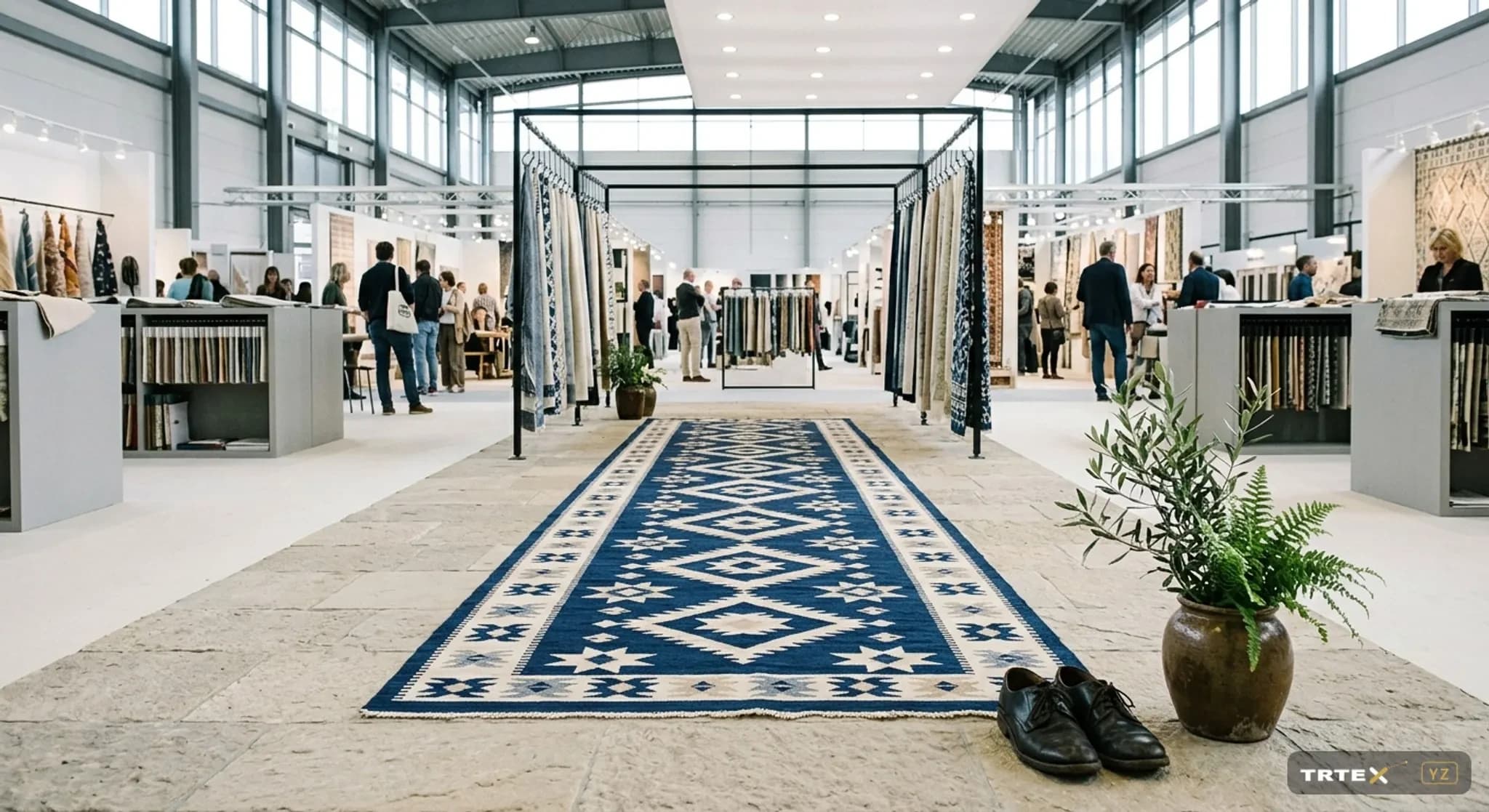
The Turkish home textile sector has proactively embraced a strategic export market diversification blueprint to reinforce its global resilience and sustain continuous industrial growth. While established markets across the European Union and the United States remain the foundational export destinations for Turkish manufacturers, enterprises are aggressively expanding their commercial presence into high-potential emerging regions, including the Middle East, North Africa, the Commonwealth of Independent States (CIS), and Latin America. This deliberate geographic diversification seeks to diminish reliance on single-market demand cycles, fostering greater economic stability against external macroeconomic shocks. Targeted overseas trade delegations and prominent participations across premier international expositions serve as primary tactical vehicles driving entry into these frontier territories.
Throughout this global expansion process, localized product adaptation aligned with distinct cultural conventions and regional consumer preferences proves paramount. For instance, whereas discerning Middle Eastern buyers frequently favor opulent aesthetic expressions, rich jacquard weaves, and intricate traditional motifs, African commercial markets prioritize structural fabric durability, high colorfastness, and aggressive price competitiveness. By conducting granular regional market research, Turkish textile mills engineer customized home textile collections curated explicitly for the functional requirements of each destination. This customer-centric methodology enables exporters to gain market share with enhanced speed and commercial efficacy.
Digital B2B commerce platforms and cross-border marketing channels play a transformative role in penetrating geographically dispersed export territories. In emerging zones lacking physical distribution networks or established dealership frameworks, online business portals empower Turkish producers to engage directly with overseas retail buyers and interior designers. Coordinated digital social campaigns, localized influencer collaborations, and strategic integrations with leading regional B2B marketplaces heighten brand visibility and stimulate direct commercial procurement. These digital infrastructures dramatically compress the customer acquisition overheads historically required for international market entry, extending global outreach especially for small and medium-sized manufacturers.
The hallmark manufacturing excellence, agile production versatility, and competitive pricing structures inherent to the Turkish textile industry provide formidable advantages across all newly penetrated export arenas. Furthermore, certified sustainable manufacturing protocols, closed-loop water treatment, and ethical labor standards increasingly differentiate Turkish mills, appealing strongly to international procurement officers seeking compliant value chains. Market diversification stands out as one of the definitive strategies cementing the robust growth trajectory of the Turkish home textile industry through 2026 and beyond.