Acoustic Engineering in Curtain Manufacturing: Sound Insulation Solutions for Homes and Commercial Workspaces
The curtain manufacturing sector is pioneering decorative acoustic draperies designed to absorb ambient noise, enhancing acoustic comfort and privacy across bustling urban residences and open-plan corporate workspaces.

In contemporary living spaces—particularly amidst urban density and the widespread adoption of open-plan architectural layouts—the demand for sound absorption and acoustic comfort has intensified substantially. Responding to this evolving requirement, the curtain and window treatment industry has shifted beyond solely delivering light management and decorative aesthetics toward engineering specialized acoustic draperies engineered for superior sound attenuation. Acoustic curtains diminish external street noise penetration to cultivate quiet, tranquil indoor sanctuaries while simultaneously dampening reverberant echoes within the room, thereby significantly elevating interior vocal clarity.
These specialized textiles are engineered utilizing multi-layered fabric assemblies, dense proprietary weave densities, and high-mass natural and synthetic fibers (such as virgin wool, heavyweight velour, and dense microfibers). In high-performance commercial iterations, specialized acoustic dampening membranes are seamlessly encapsulated between fabric faces to maximize sound transmission loss. Beyond noise abatement, acoustic draperies provide substantial thermal insulation, lowering HVAC energy loads and enhancing overall building energy efficiency. By virtue of these multifunctional performance attributes, acoustic curtains are increasingly installed across high-fidelity home theaters, executive boardrooms, municipal libraries, and healthcare patient suites.

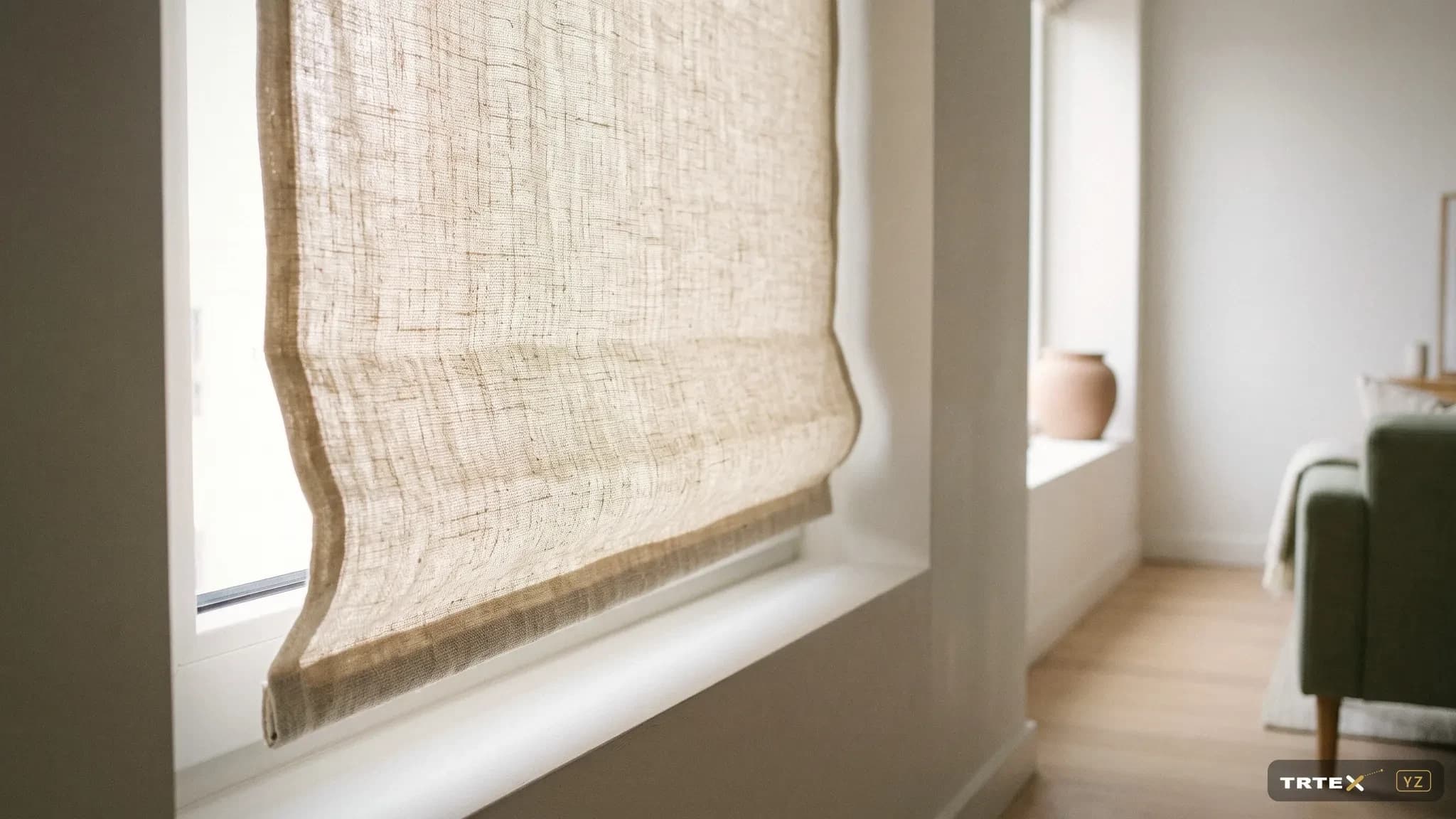
Architects and interior designers routinely specify acoustic window draperies as a unified architectural solution that harmonizes visual elegance with tangible functional performance. Today's acoustic textile collections present an extensive palette of contemporary colorways, subtle textural weaves, and sophisticated jacquard motifs that integrate flawlessly into broader interior decor schemes. Furthermore, utilizing high-definition digital textile printing technologies, bespoke graphic patterns or custom company branding can be imprinted directly onto acoustic fabrics, realizing tailored aesthetic expressions without impairing acoustic performance.
Industry R&D initiatives remain intensely focused on enhancing noise reduction coefficients (NRC) while engineering lighter, thinner, and more supple acoustic drapery fabrics. Rigorous acoustic reverberation chamber testing and compliance certifications under international test standards (such as ISO 354 and ASTM C423) validate the documented acoustic efficacy and build consumer confidence. Turkish drapery mills are strategically investing in this high-growth niche, securing enduring competitive advantages across domestic and global contract textile markets. Acoustic draperies are positioned to become an indispensable foundational fixture of future interior architecture.