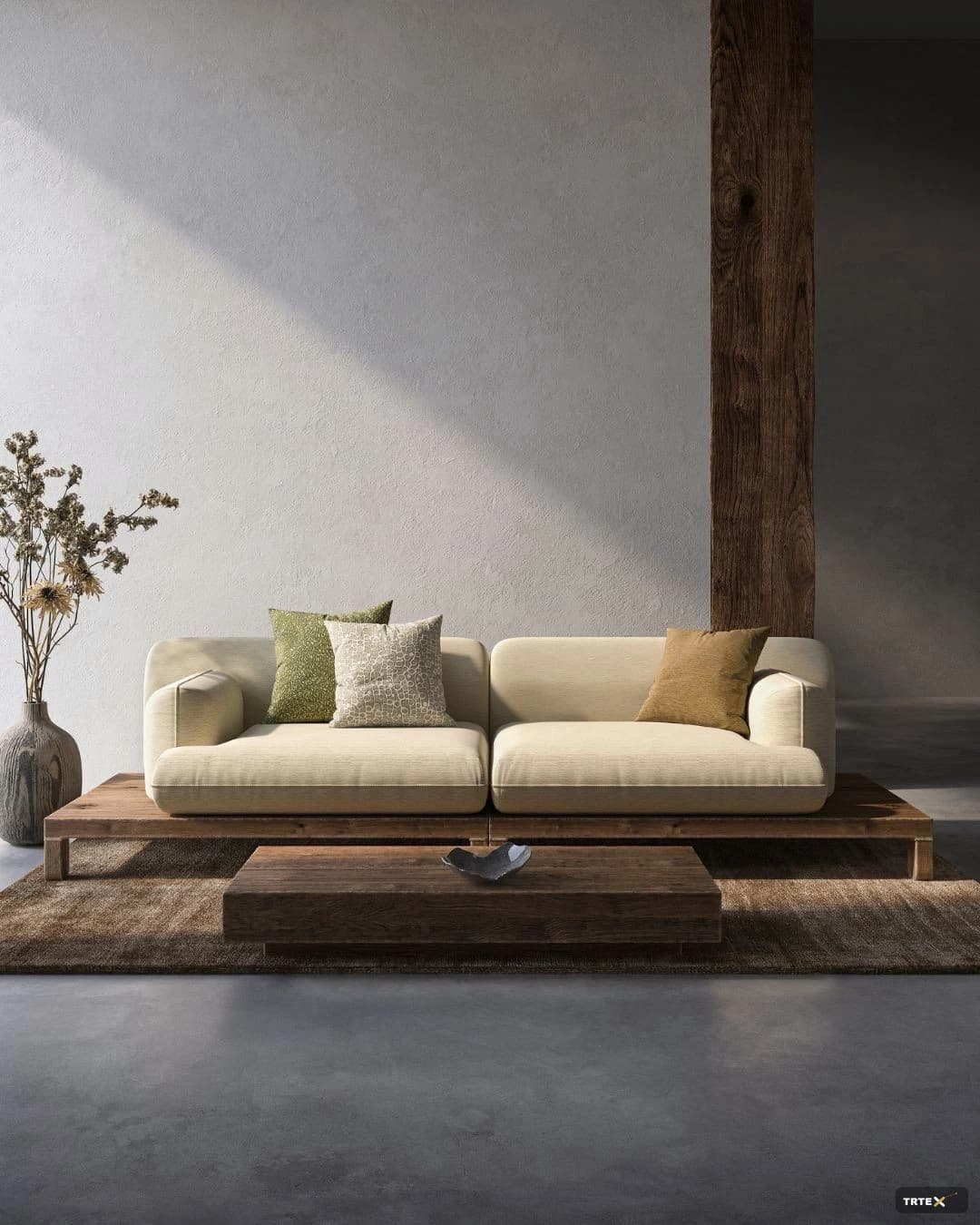
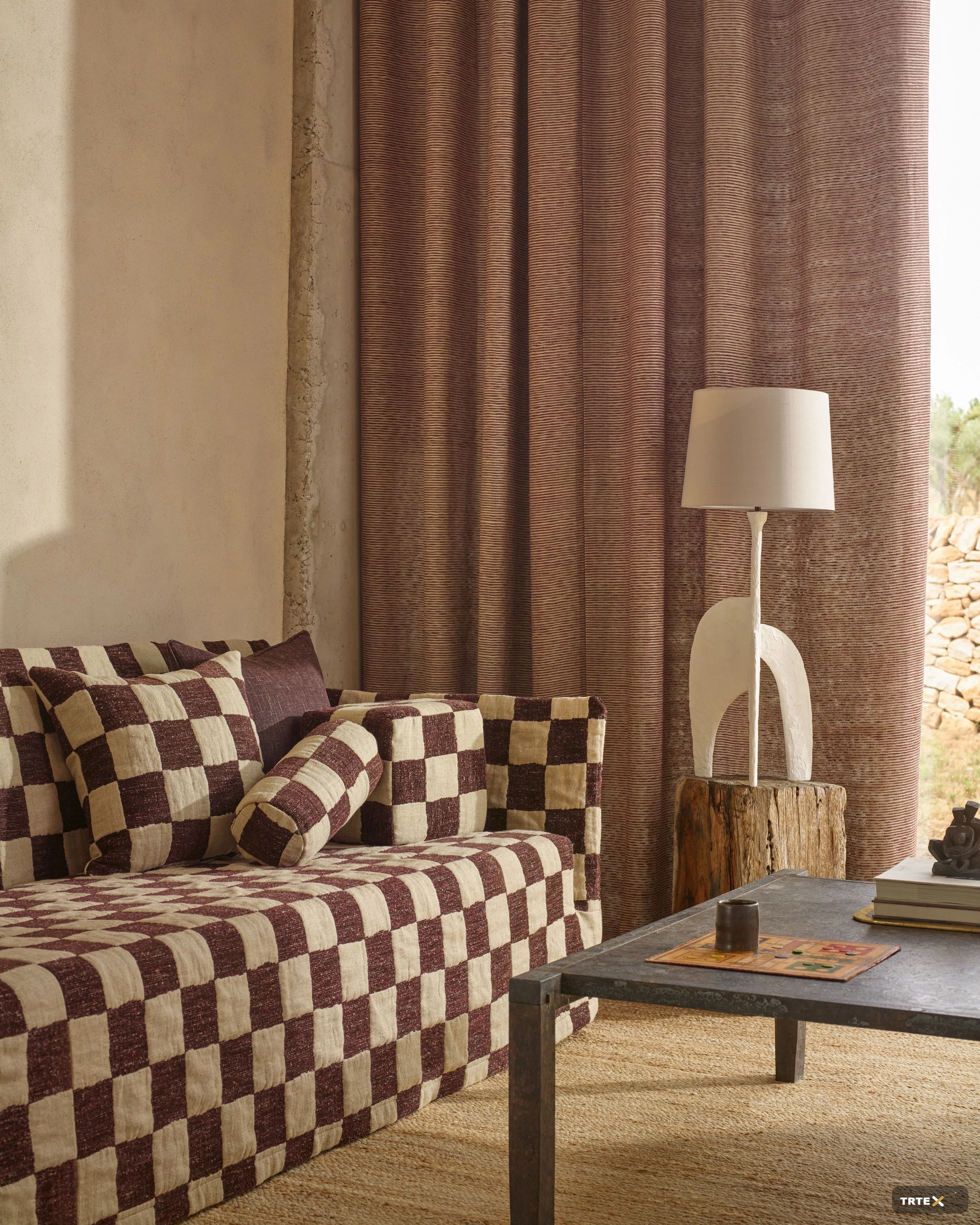
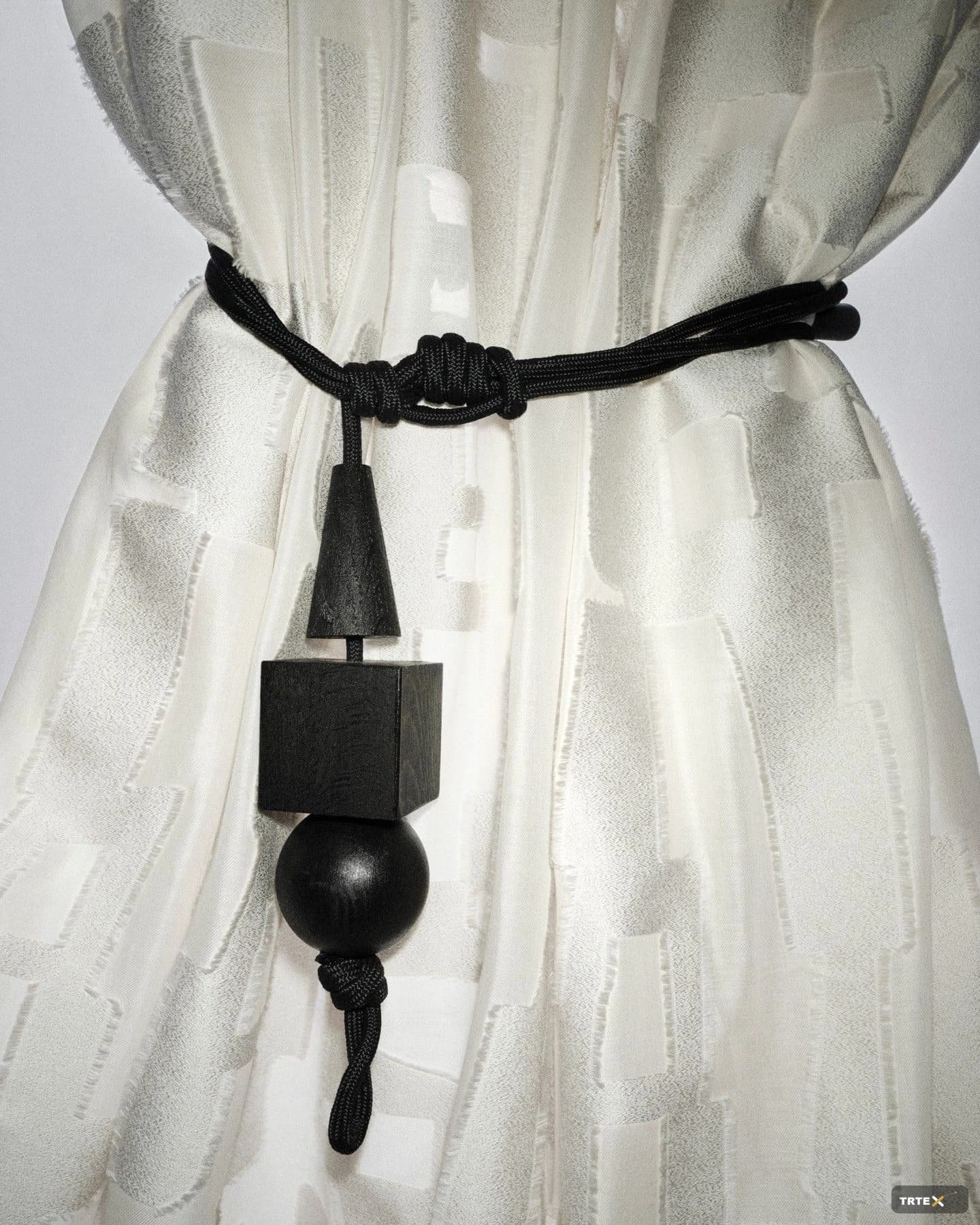
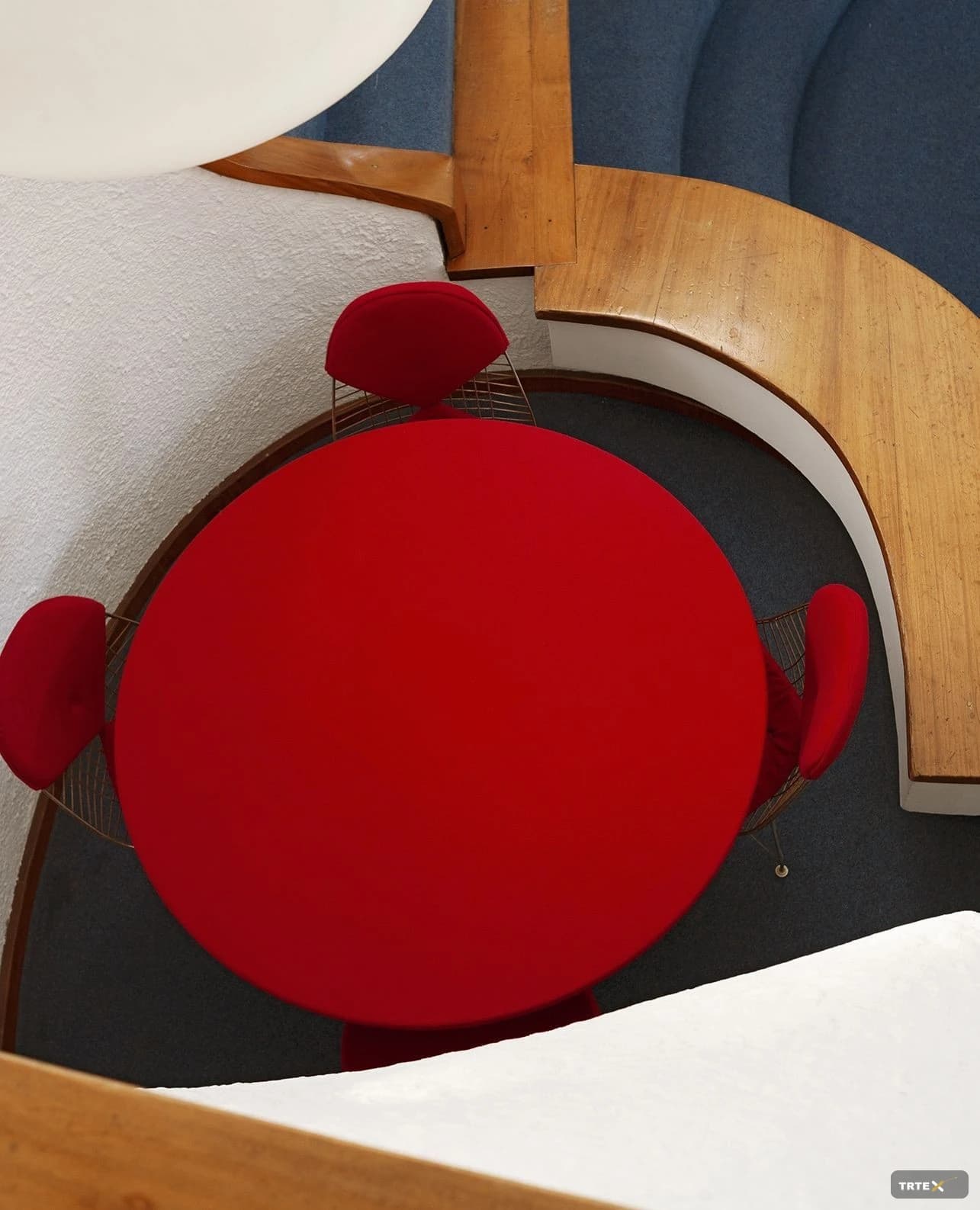
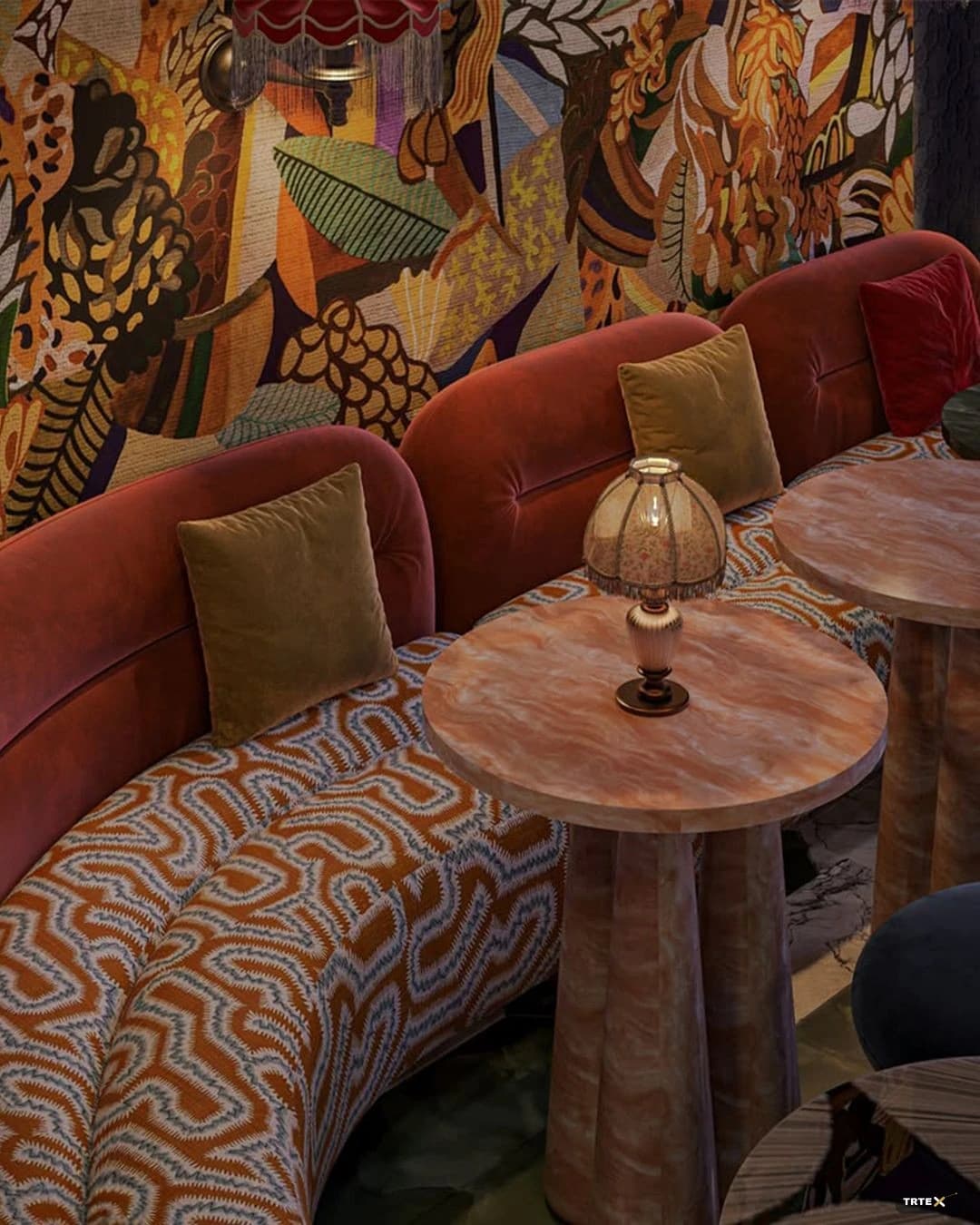
Rogers & Goffigon Presents Boro Fabric in Four Colorways
Boro draws inspiration from Edo-period Japanese textiles and is woven from linen, cotton and wool yarns. The fabric is offered in Paprika, Nila, Carrot Cake and Kasuri colorways.
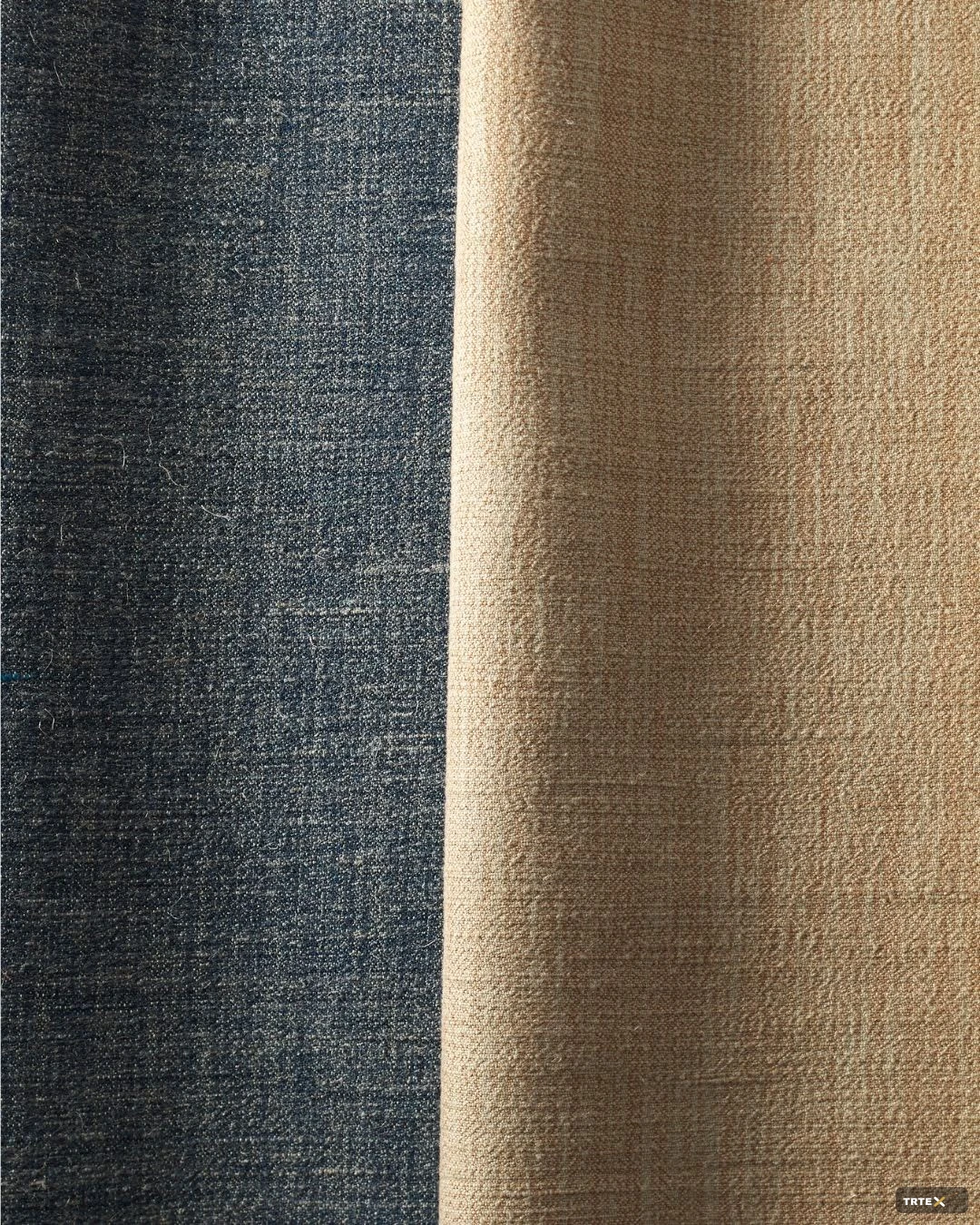
Rogers & Goffigon presented its Boro fabric. The starting point of the fabric is the Edo-period Japanese textile tradition. The company states that it has reinterpreted this centuries-old tradition through Boro. Boro is produced by weaving linen, cotton and wool yarns together.
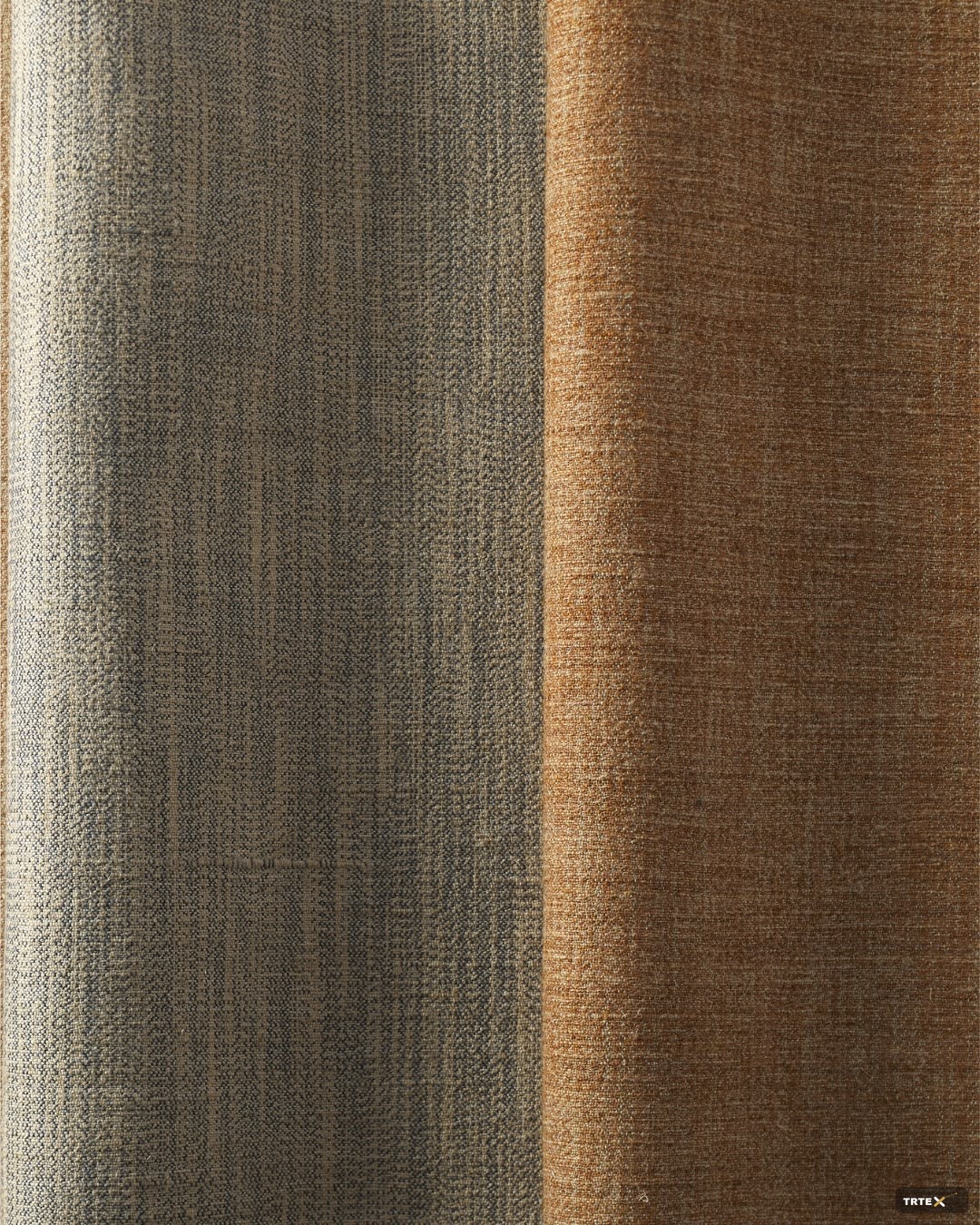
According to the company's description, the fine texture and vintage character of the fabric give the surface a distinct sense of depth. The aim of bringing three different fiber types together in a single weave is to create a surface appearance that differs from fabrics made with a single material.
Boro's four colorways
Boro is offered in four colorways: Paprika, Nila, Carrot Cake and Kasuri. As the color names suggest, the range extends from warm earth tones to a deep shade known as Nila. The company describes the collection as "a small history of the past carefully woven into something new."
The pattern and texture approach inspired by the Edo period may serve as a reference point for interior designers seeking upholstery and drapery fabrics drawing on historical textiles. The company did not provide information on the intended end uses of Boro or on its technical specifications.
About Rogers & Goffigon
Rogers & Goffigon, based in the United States, operates in the drapery and upholstery fabric sector. The company presents itself as a brand offering luxury woven fabrics, performance textiles, trimmings and leather products designed for interior designers and industry professionals. Dating its founding to 1988, the company says it produces its fabrics only in small weaving facilities in Europe.
According to the company, master craftsmen in these facilities use traditional handcraft techniques, natural fibers are used, and the color palette is largely influenced by vegetable dyes. The collection combines different textures, weights and colors. The designs draw inspiration from historical textiles and patterns found in nature. Boro's starting point in the Edo period aligns with the company's approach of drawing historical inspiration.
Global home textile exports reached 109.6 billion dollars in 2025. China held the first place with a 54.5 percent share, while Türkiye ranked sixth with 2.70 billion dollars (Republic of Türkiye Ministry of Trade, Home Textile Sector Report 2026). In the upper segment of this market, collections based on historical references and an emphasis on craftsmanship continue to gain visibility, as examples like Boro show.
Source: Rogers & Goffigon.
This content was compiled with AI assistance from the cited source. (EU 2024/1689 Art. 50)
Source: Rogers & Goffigon Instagram ↗
Background: our earlier coverage
- Rogers & Goffigon Highlights Fabric Selection on Studio Shelves
Rogers & Goffigon showed stacks of fabric on its studio shelves in an Instagram post; each stack suggests a new palette, texture, or fabric that could serve as the starting point for an entire room.