2026 Interior Design Trends: Opportunities for the Turkish Textile Sector
Vogue's analysis of 2026 interior design trends presents new market opportunities focused on sustainability, natural textures, and smart technology for Turkish home textile, curtain, and upholstery manufacturers.
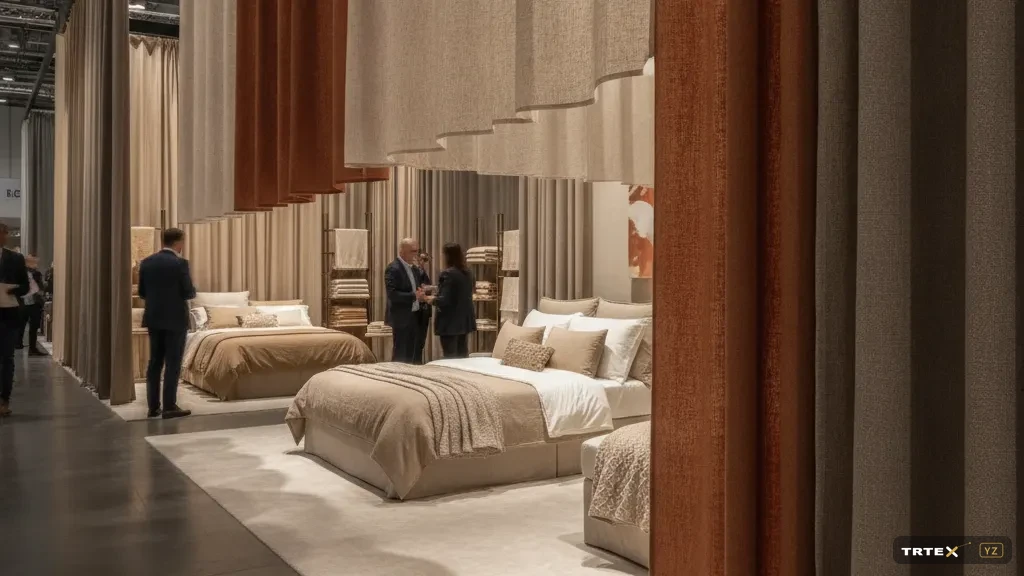
Heading toward 2026, the global interior design landscape stands on the cusp of transformative shifts centered around sustainability, tactile naturalism, and curated personalized living environments. While Vogue magazine's feature '12 Major Interior Design Trends Shaping Our Homes' offers a pivotal roadmap for industry professionals, thoroughly deciphering the commercial avenues unlocked by these trends is paramount for Turkish home textile, drapery, and upholstery mills, wholesalers, and export houses.
This report evaluates the emerging aesthetic currents through the prism of the Turkish textile industry's global competitiveness and production scale, focusing on targeted strategies to amplify export momentum. Prevailing market tendencies—such as surging demand for linen and sheer voiles across Europe, alongside the ascendance of tactile bouclé textures in contract hospitality interiors—forge a potent synergy with Vogue's newly projected interior design directions.
Material Revolution Centered on Tactile Naturalism and Sustainability
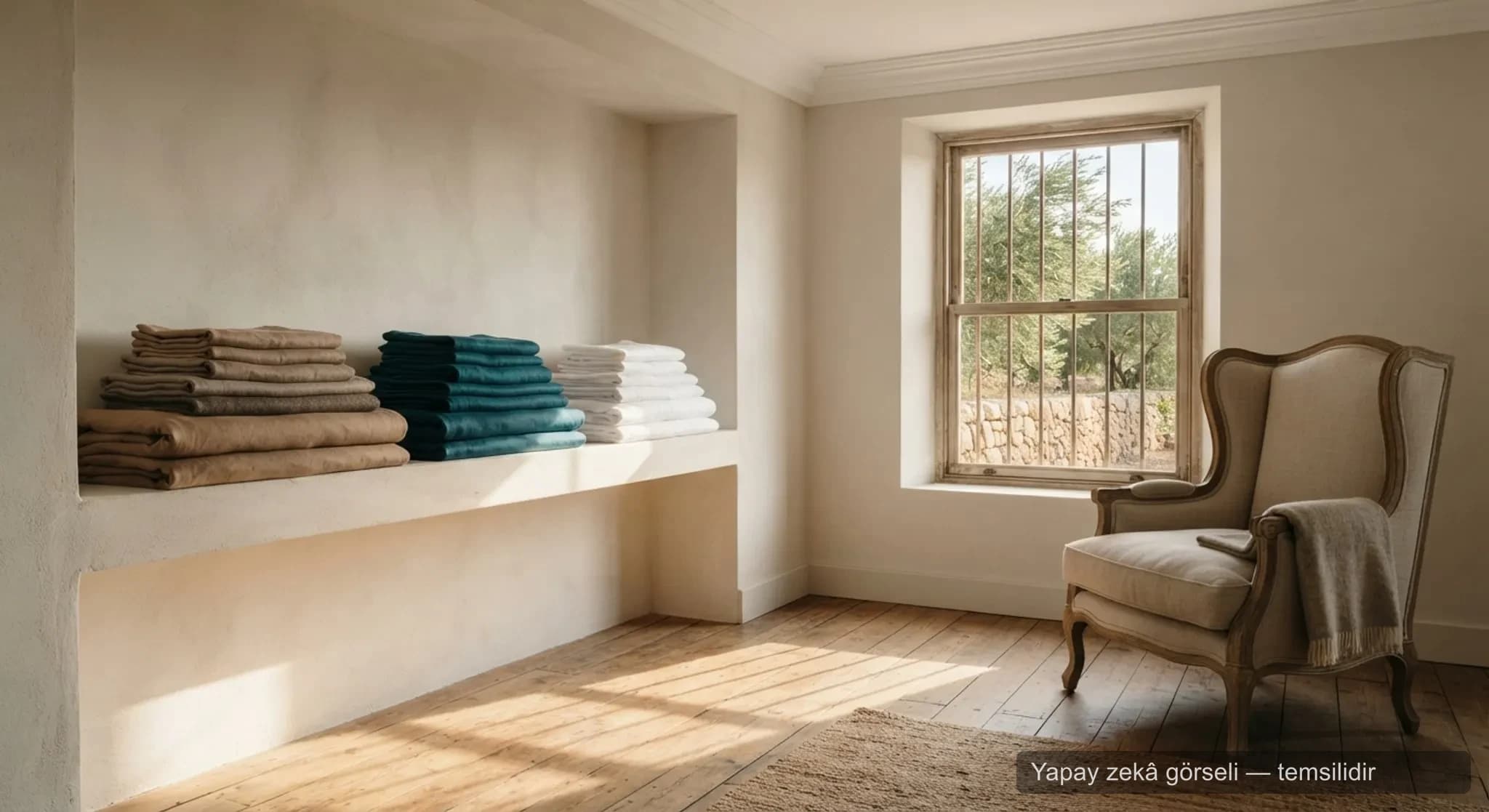
Foremost among the trends highlighted in Vogue's compendium is the decisive reign of raw, sustainable materials within residential and contract interiors. Bamboo, jute, linen, certified organic cotton, and closed-loop recycled fibers are actively specified not merely for tactile richness, but out of uncompromising environmental accountability. This aesthetic migration opens an exceptional market window for Turkish home textile manufacturers, as Türkiye possesses substantial domestic capacity in organic cotton spinning and pure linen weaving. Particularly, the escalating European appetite for linen and sheer voiles holds the potential to dramatically expand Turkish export volumes.
Ecological compliance has definitively migrated from an optional marketing differentiator to a non-negotiable baseline for international procurement executives. Implementing water-saving dyestuff practices, thermal energy recovery, closed-loop waste reclamation, and transparent carbon accounting directly dictates whether mills maintain shelf space in international programs. In this context, collections backed by verified organic seals and post-consumer recycled certifications will entrench supplier relevance in global supply chains. Turkish mills that proactively deploy capital into these green processing standards will capture high-margin market share.
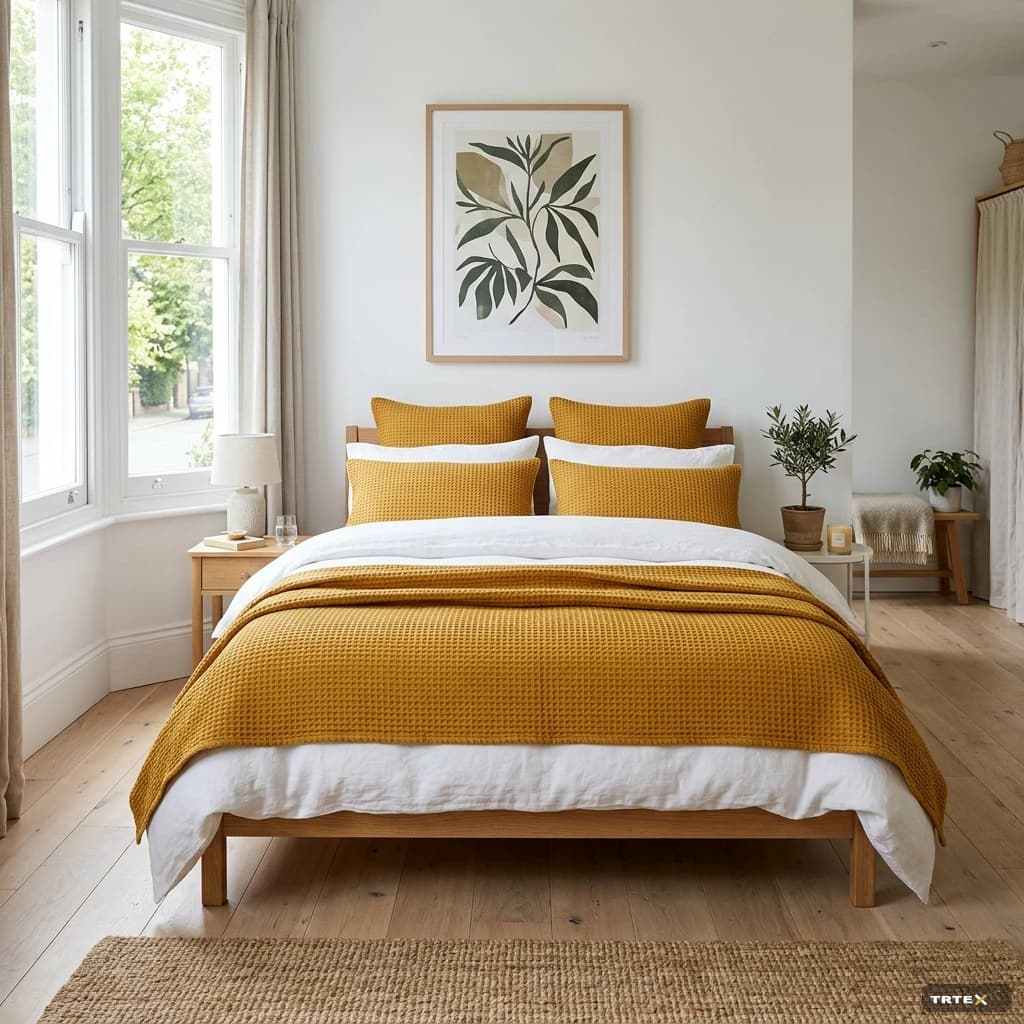
Organic tonal palettes represent an indispensable dimension of this movement. Earthy terracottas, warm ochres, grounded beiges, and muted vegetal greens impart restorative serenity to contemporary living spaces. By developing broad color libraries mirroring these biophilic shades, Turkish mills can nimbly capture overseas contract demand. Furthermore, integrating artisanal hand-loomed sensibilities with industrial weaving infrastructure yields an irreplaceable artisanal premium.
The Ascent of Engineered Functional Textiles: Smart Systems
Equally prominent across 2026 interior forecasts is the architectural integration of performance engineering into home decor. Products engineered for compatibility with home automation architectures—such as noise-dampening acoustic blackout drapery—are establishing themselves as standard specifications in prime residential developments. Multi-layered micro-porous textiles developed to insulate urban interiors against intrusive sound pollution combine light extinction with high acoustic absorption coefficients.
- Acoustic Performance: Sound-attenuating drapes, wall upholstery, and architectural draperies face escalating demand across open-concept residences and executive suites. Turkish manufacturers that intensify dedicated R&D in sound absorption ratings can deliver high-performance acoustic solutions to the contract market.
- Thermal Regulation: Climate-responsive textiles engineered with low-emissivity backings optimize interior temperatures, lowering HVAC power consumption. This functional capability delivers exceptional commercial appeal in territories facing elevated heating and cooling utility costs.
- Integrated Motorization and Automation: Motorized window shading assemblies engineered for seamless interoperability with third-party building management protocols have become integral to luxury design. Delivering turn-key smart shading systems represents an exceptionally lucrative export pillar for Turkish firms.
- Antimicrobial and Stain-Repellent Topographies: With heightened sanitary awareness across hospitality and senior living developments, demand for durable functional finishings remains robust. Turkish mills can achieve meaningful differentiation by fielding innovative, long-lasting barrier chemistries.
Curated Personalization and Artisanal Nuance
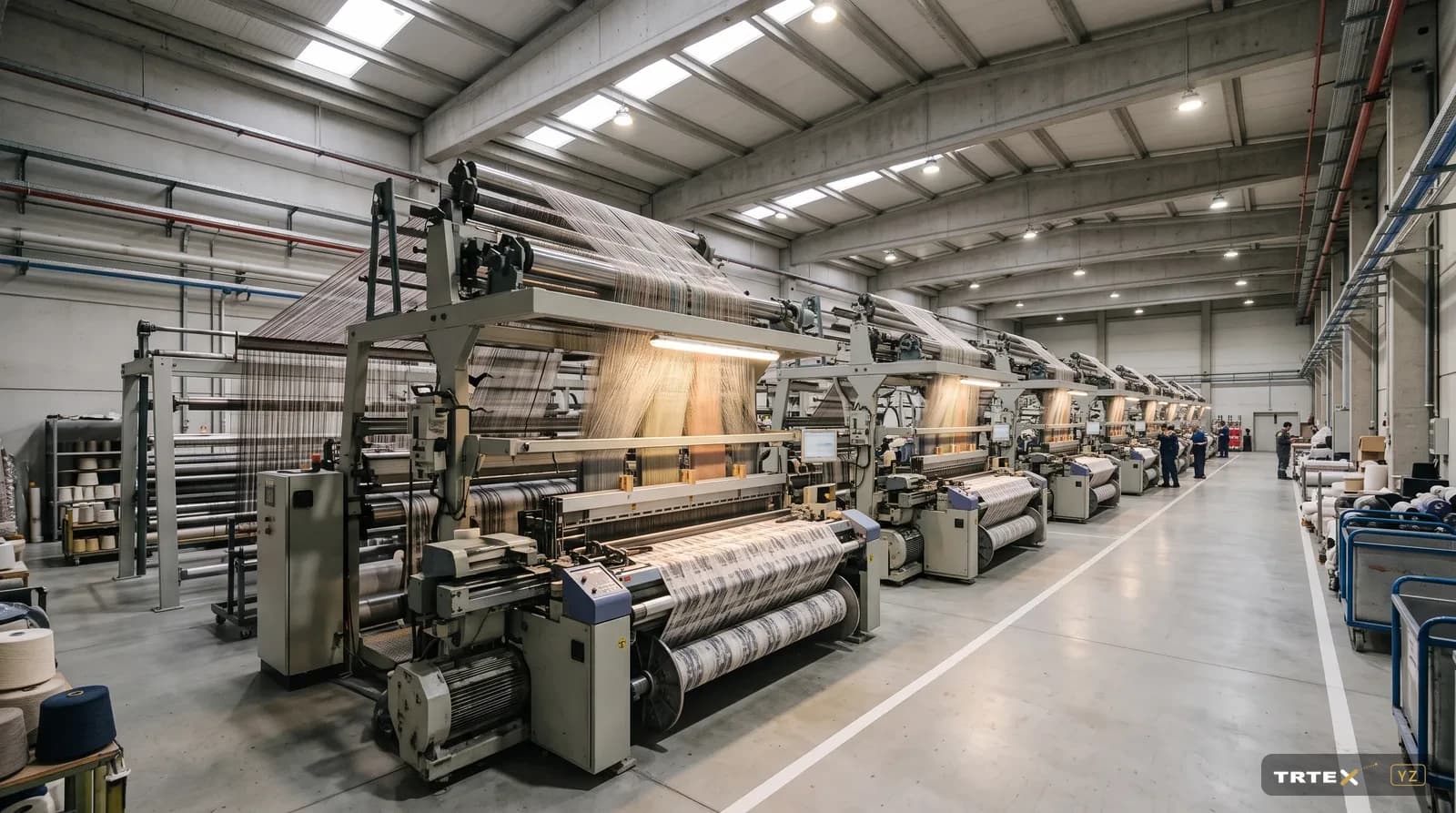
Bespoke personalization and artistic self-expression form another structural pillar of the 2026 design landscape. Custom-printed wall coverings, crafted small-batch textile appointments, and exclusive pattern signatures empower homeowners to articulate individual identity. This movement provides a magnificent stage for the Turkish textile cluster to showcase its design agile manufacturing. Advances in wide-format digital pigment printing enable the cost-effective realization of bespoke patterns without minimum order hurdles.
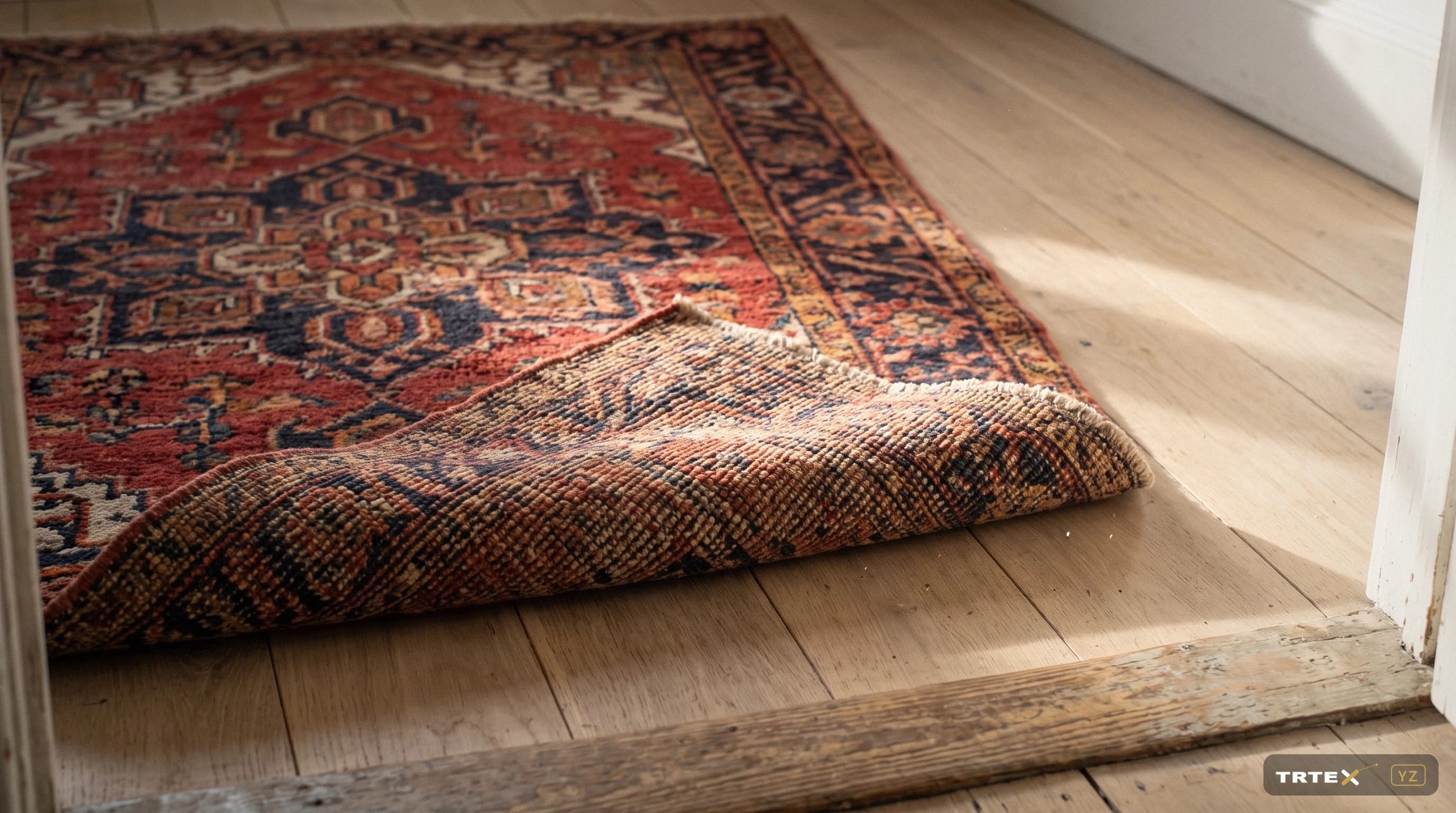
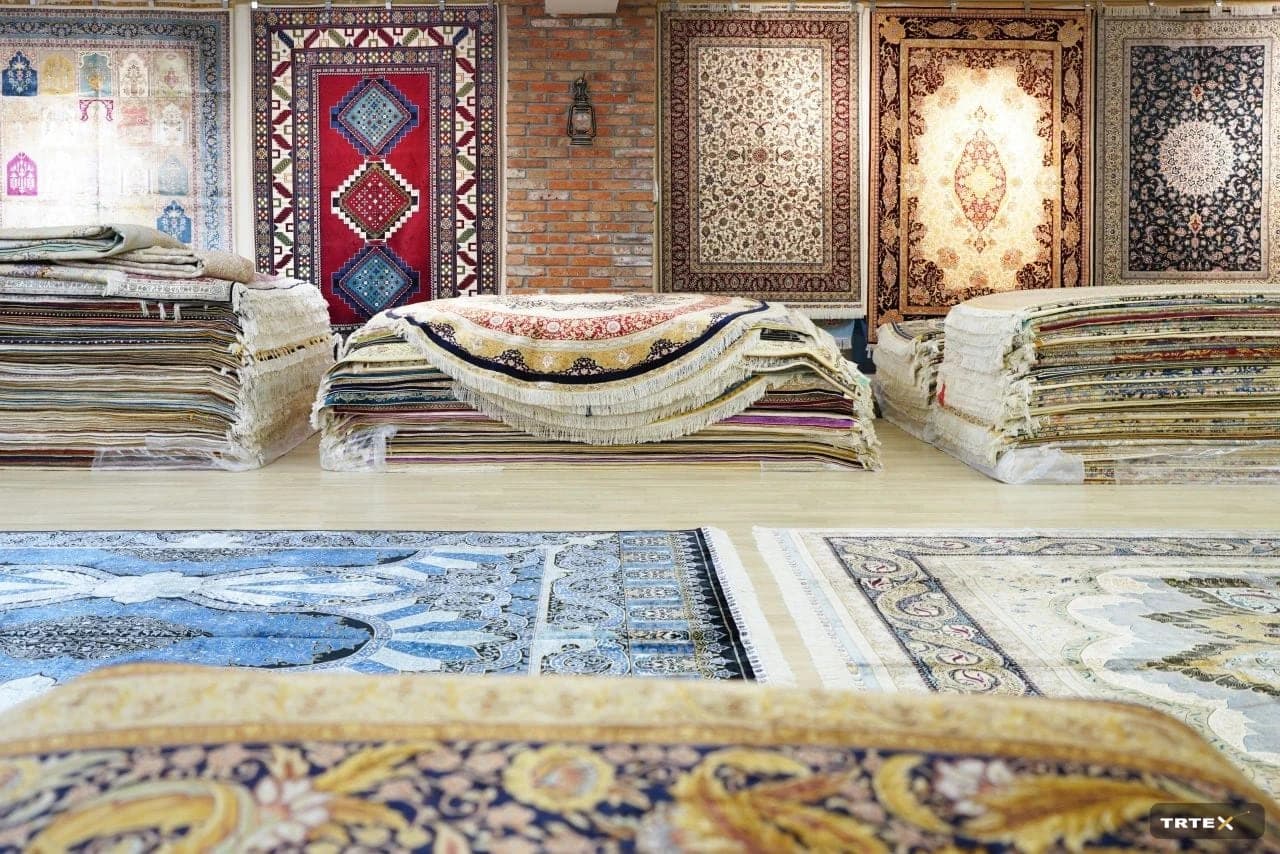
Handcrafted sensibilities are simultaneously experiencing a powerful commercial renaissance. Contemporary reinterpretations of traditional Anatolian motifs, heritage flatweave aesthetics, and bespoke tailored dressmaker detailing imbue collections with tangible provenance. By collaborating with avant-garde interior architects and translating regional cultural motifs into refined minimalist idioms, Turkish manufacturers can command premium placement in international flagship showrooms.
Commercial Horizons and Actionable Directives for Turkish Fabricators
The 2026 design trends curated by Vogue unveil decisive commercial vistas for the Turkish home textile, curtain, and upholstery manufacturing cluster. Renowned for its agile reaction times and adaptive manufacturing flexibility, the Turkish sector can systematically harness these emerging lifestyle currents to accelerate export revenue.
To capitalize on these trend vectors and fortify durable competitive advantages in global markets, Turkish leadership teams should pursue the following five initiatives:
- Acquire Sustainable Credentials: Invest aggressively in internationally accredited auditing frameworks—such as GOTS (Global Organic Textile Standard) and OEKO-TEX Standard 100—to verify rigorous environmental and fair-labor compliance.
- Targeted R&D in Functional Textiles: Dedicate engineering resources to developing acoustic, thermal, and antimicrobial smart fabrics, while prototyping solutions engineered for home automation integration.
- Strategic Design Partnerships: Commission forward-thinking international interior designers to curate trend-aligned, architecturally refined aesthetic collections tailored for tier-one global distribution.
- Scale Digital B2B and Omnichannel Channels: Leverage enterprise digital showroom platforms and specialized export portals to connect directly with global contract specifiers, architects, and procurement heads.
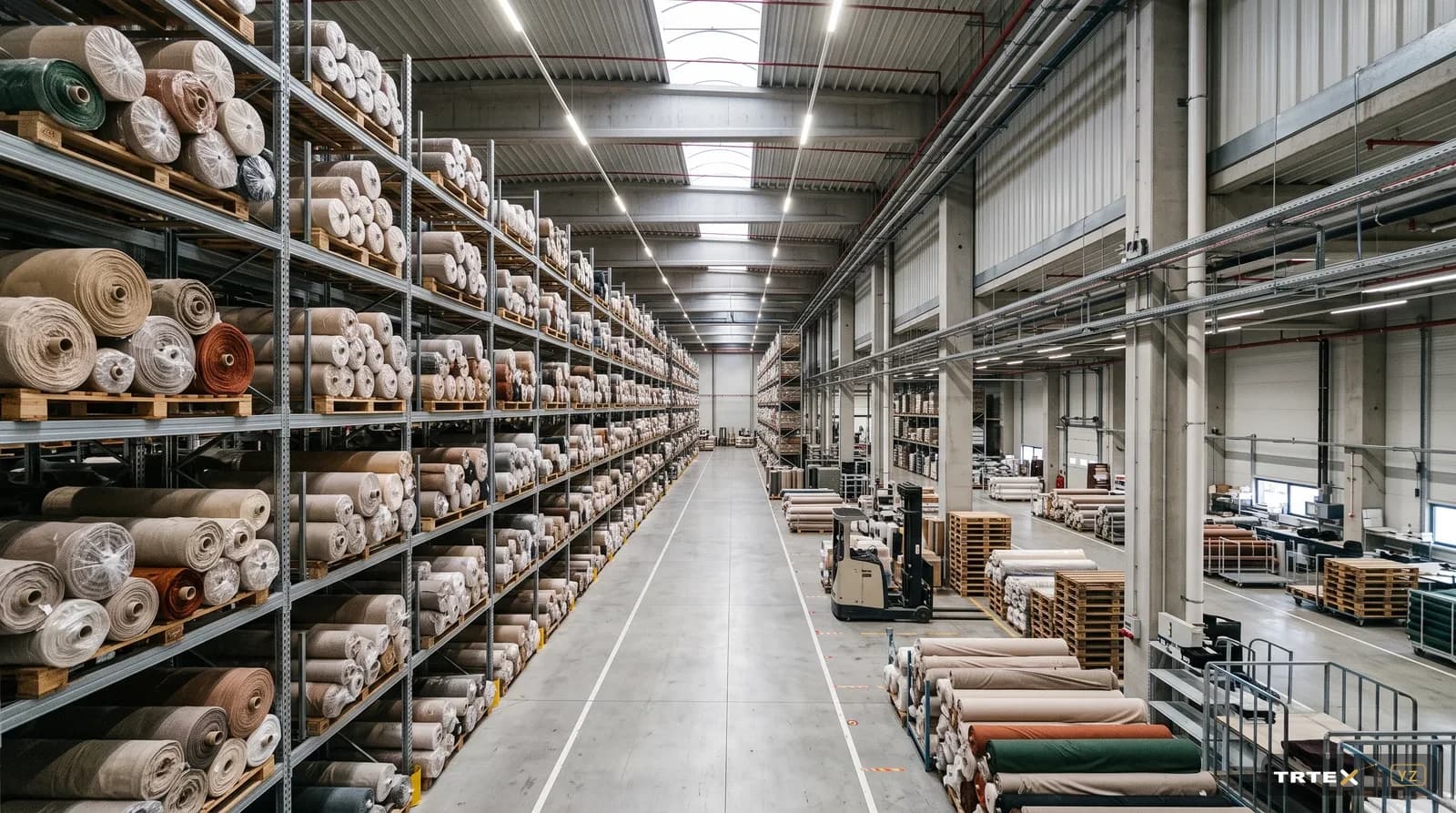
- Broaden Raw Material Diversity: Complement baseline cotton yarns with high-grade flax linen, raw jute, and regenerated cellulosic fibers, alongside certified circular post-consumer polymers.
These strategic initiatives will empower Turkish home textile, drapery, and upholstery mills to command leadership throughout 2026 and beyond. Melding raw material purity, certified sustainability, functional performance, and bespoke artisanal design with Turkish manufacturing agility will yield enduring export supremacy.
As global consumers and procurement directors exercise heightened scrutiny regarding ecological authenticity and technical pedigree, prompt operational adaptation is imperative. By channeling capital into advanced R&D, authentic aesthetic development, and sustainable processing, the Turkish textile sector will decisively cement its position as the premier global source for sophisticated interior textiles.