Contraction in European Textile Demand and the Impact of Energy Costs: New Dynamics for the Turkish Sector
Declining order volumes from European buyers and elevated industrial energy costs compel the Turkish home textile and curtain industries to craft new operational strategies centered on market diversification and efficiency.
The Turkish home textile, curtain, and upholstery industries are currently confronting a pronounced contraction in orders originating from their core European markets. Persisting economic stagnation and elevated inflation across Europe have eroded consumer purchasing power, triggering an estimated 20% to 30% decline in import orders for Turkish manufacturers. Given the sector's export-oriented structure, these headwinds underscore the urgent necessity for comprehensive strategic repositioning.
Compounding this contraction in European demand, escalating industrial energy tariffs are placing severe pressure on the cost competitiveness of Turkish textile mills. Spikes in natural gas and electricity prices have inflated factory operating overheads and compressed profit margins. This dual squeeze compels domestic producers to simultaneously rationalize manufacturing costs and penetrate alternative international markets.
In-Depth Analysis of the Contraction Across European Consumer Markets
European Union member states represent the historical and dominant export destination for the Turkish home textile and drapery industries. In recent quarters, however, key markets including Germany, France, and the United Kingdom have registered a visible curtailment in procurement volumes. Ongoing inflationary pressure within the Eurozone has prompted households to curtail discretionary expenditures beyond essential staples. This expenditure contraction directly impacts interior furnishings, decorative fabrics, and home linens. For instance, recent trade reports indicate an approximate 15% drop in German textile imports over the latest operating quarter.
Supply chain dislocations and freight volatility have further aggravated this market contraction. Instability across global shipping networks has lengthened delivery schedules while raising transport costs, partially attenuating the logistical proximity advantage Turkish mills hold for European buyers. Concurrently, elevated inventory overhangs in European commercial warehouses have prompted buyers to defer forward purchase orders. This inventory glut creates intense margin pressure, particularly across seasonal and fashion-driven textile lines.
In past years, steady European demand fostered high commercial reliance on this single trading bloc. The current economic climate starkly exposes the systemic vulnerabilities inherent in single-market dependence. The sector is now compelled to implement a diversified export strategy to mitigate regional demand shocks.
Impact of Energy Costs on Competitiveness and Pathways to Mitigation
Industrial electricity and natural gas tariffs in Turkey have escalated markedly over the past twelve months. These cost surges directly impact operational overheads across energy-intensive textile processing stages. Wet finishing, chemical bleaching, thermofixation, and continuous dyeing require substantial thermal and electrical energy; elevated utility bills have sharply reduced mill operating margins. Numerous manufacturers report that energy expenses now comprise between 15% and 20% of total factory production costs.
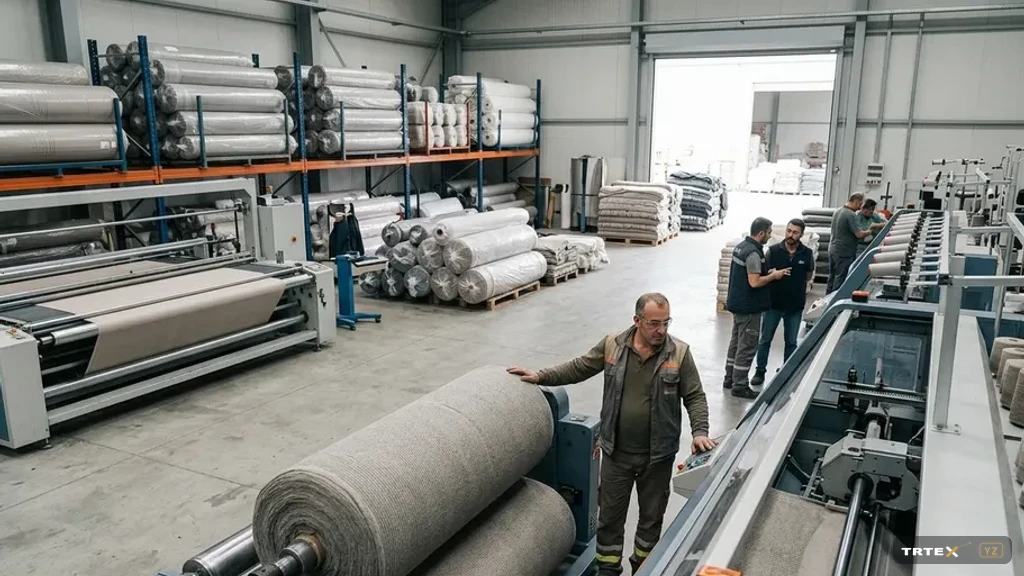
- Efficiency-Driven Capital Investments: Textile mills are actively deploying automated, low-energy machinery and advanced process controls to reduce consumption. Modernized equipment parks deliver enduring cost advantages through lower kilowatt-hour requirements per kilogram of finished fabric.
- Integration of Renewable Energy Sources: On-site solar photovoltaic (PV) installations are becoming standard across major manufacturing facilities. Mills generating proprietary clean power are significantly insulated from utility tariff fluctuations.
- Targeted Market Diversification: Expanding purposefully into non-European destinations mitigates regional demand contraction while unlocking high-margin growth corridors. The Middle East, North Africa, North America, and dynamic Asian economies represent prime target alternatives.
- Product Portfolio Upgrading: Concentrating on high-value-added technical textiles and certified sustainable fabrics shifts competition away from low-cost mass production toward resilient, high-margin market tiers.
Adapting to the New Operating Era via Sustainability and Digitalization
The European Union's Green Deal objectives and heightened consumer ecological awareness are permanently elevating sustainability thresholds across the textile sector. For Turkish manufacturers, this transformation represents both an inescapable operational mandate and a strategic differentiator. Low-impact manufacturing protocols, closed-loop recycled inputs, and verified eco-certifications have become baseline requirements for European retail buyers. Internationally recognized credentials, notably OEKO-TEX and GOTS, deliver vital competitive leverage in export procurement.
Digitalization represents an equally essential survival lever in this challenging climate. Specialized B2B sourcing platforms, e-export systems, and virtual trade showrooms enable mills to engage prospective international buyers while driving administrative efficiencies. Data-driven digital marketing allows manufacturers to establish direct brand visibility with overseas procurement directors. Furthermore, integrating artificial intelligence and big data analytics across weaving floors optimizes production planning, eliminates defects, and contains operating costs.
Future Industry Outlook and Strategic Recommendations for Turkish Producers
The prevailing global economic conjuncture presents the Turkish home textile and curtain sector with a rigorous operational test. However, this period of adversity also provides a catalyst for structural modernization and long-term capability building. To secure enduring commercial viability, manufacturing enterprises must adopt agile, innovative, and proactive business practices. Market diversification, energy efficiency investments, and certified sustainable manufacturing represent the three non-negotiable pillars of future success.
Turkish textile producers must decisively evolve from a business model anchored primarily in labor-cost competition toward one defined by proprietary design, technical performance, and high-value service delivery. Expanding applied R&D allocations, accelerating branded collection development, and leveraging state export promotion programs will solidify the sector's global market standing. By strengthening digital infrastructure and fostering regional industrial cooperation, the Turkish textile community will emerge from this transitional period more resilient and internationally competitive.