Emerging Dynamics Across Global Textile Supply Chains: The Far East Influence
Recent industrial developments across China and Pakistan's home textile ecosystems are driving major realignments throughout international sourcing channels, offering strategic opportunities and competitive challenges for Turkish mills.
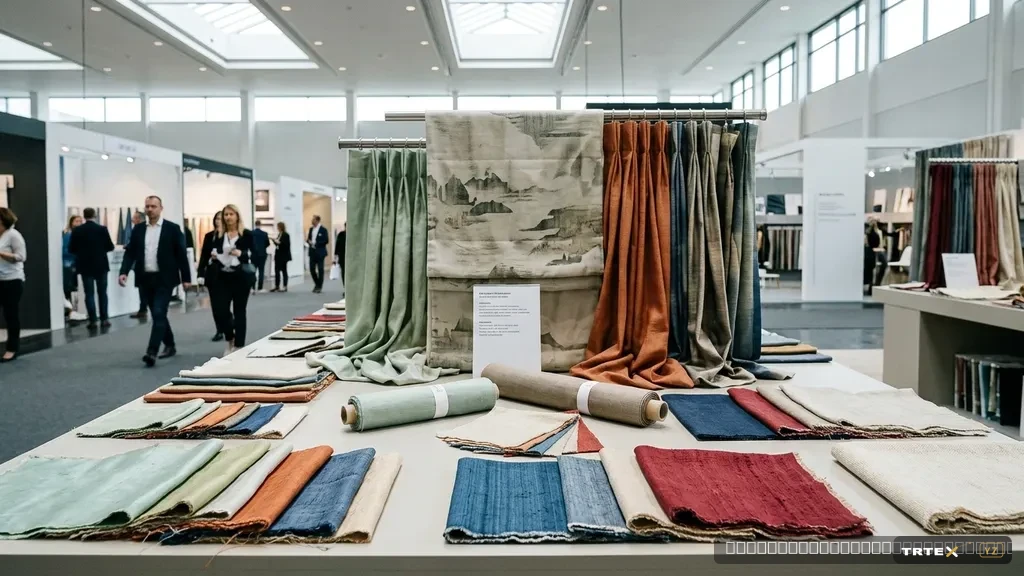
The global home textile market is entering a pivotal inflection point driven by structural realignments across Far Eastern production hubs. Strategic moves by major producing nations such as China and Pakistan are actively reconfiguring international sourcing channels, presenting both competitive hurdles and substantial commercial opportunities for Turkish manufacturers, wholesalers, and exporters. According to recent trade statistics, the global home textile market reached approximately $120 billion in 2023, with projections indicating a compound annual growth rate of 4% over the next five years, underpinned by sustainability mandates and digital commerce acceleration.
These global currents introduce vital operational imperatives for Turkey's deeply established textile manufacturing sector. While Turkish producers distinguish themselves through superior finished quality, flexible production batching, and strategic geographical proximity to European consumer centers, preserving market share against Asian cost advantages and massive scale expansions requires proactive, multi-tiered strategies. This transformation across home linens, curtains, and upholstery demands rigorous analysis from industry stakeholders.
Restructuring in the Far East and the Strategic Positioning of Turkish Textiles
Although China has long dominated global textile volumes, rising domestic wage structures and tightened environmental enforcement are prompting certain mills to relocate labor-intensive production to Southeast Asian countries. Nonetheless, China's massive chemical fiber capacity, automated weaving parks, and vertically integrated supply chains maintain its indispensable global footprint, particularly in synthetic textiles and high-volume commodity goods. Conversely, Pakistan is expanding market share in cotton-based home textiles, leveraging domestic raw cotton cultivation and highly competitive energy tariffs. The sustained growth of Pakistani exports across terry towels, bed linens, and duvet sets creates a direct competitive dynamic for Turkish mills targeting European retail buyers.
These developments compel the Turkish textile industry to reassess its positioning across traditional markets. Turkey commands an established presence in Europe founded upon design sophistication, certified quality, and short lead times. However, aggressive cost competition from Asia reinforces the necessity for Turkish mills to migrate toward higher-margin product tiers and specialized technical niches. Groundbreaking initiatives, such as self-cleaning fabric finishes engineered by researchers at Sakarya University, highlight Turkey's applied R&D potential. Scaling these technological innovations will secure Turkey's competitive differentiation globally.
Market Trends, Commercial Opportunities, and Strategic Directives
Within international home furnishing procurement, demand for verified sustainable fabrics, organic certifications, and intelligent performance textiles is accelerating. As institutional buyers align with circular economy benchmarks, preference for post-consumer recycled compositions and certified low-impact wet processing is intensifying. This dynamic offers significant commercial headroom for Turkish manufacturers that have already embedded responsible manufacturing protocols.
- Sustainability-Driven Manufacturing: Production certified under GOTS (Global Organic Textile Standard) and OEKO-TEX substantially elevates the procurement preference for Turkish goods across European and North American retail networks. Long-term investments in minimizing corporate environmental footprints deliver durable competitive margins.
- Digitalization and B2B Commerce: The ongoing expansion of digital B2B sourcing platforms empowers manufacturers to penetrate new geographic territories directly. Enhancing digital marketing capabilities and managing virtual showrooms creates decisive competitive differentiation against distant Asian commodity suppliers.
- Design Excellence and Technical Innovation: Delivering high-value-added textiles represents the definitive buffer against low-cost commoditization. Original signature designs, customizable weaving specifications, and smart textile finishes establish commanding positions for Turkish brands in premium contract channels.
- Industrial Clustering and Regional Synergies: The documented success of historic textile clusters in Bursa and Denizli demonstrates the immense leverage of industry cooperation. Joint R&D consortiums, pooled market intelligence, and coordinated export missions enable small and medium-sized enterprises to compete effectively worldwide.
Technical Mandates, Global Certifications, and Production Processes
Maintaining international competitiveness hinges upon absolute compliance with stringent technical specifications and testing regimes. In contract drapery and commercial upholstery, verified flame retardancy, hydrostatic water repellency, and stain resistance directly govern market viability. Comprehensive compliance with European Union frameworks such as REACH (Registration, Evaluation, Authorisation, and Restriction of Chemicals) is mandatory for domestic dyehouses and finishing mills, providing the essential baseline for frictionless customs clearance.
Adopting advanced automation and Industry 4.0 shopfloor controls simultaneously elevates factory yields while compressing unit production costs. Intelligent manufacturing facilities and digitized supply chain management deliver transparent traceability from raw fiber to final shipment, establishing decisive credibility with multinational retail brands. These structural investments ensure that Turkish manufacturers compete not merely on weaving capacity, but on comprehensive technological mastery.
Long-Term Outlook and Strategic Projections for Turkish Textiles
These structural dynamics across global textile supply networks reaffirm the critical necessity for continuous operational adaptation and product innovation. Alongside Asian price competition, evolving consumer environmental expectations will define the commercial landscape. By maintaining disciplined focus on high-value specialty textiles, scaling R&D investments, dominating specialized contract niches, and accelerating digital transformation, Turkish mills are well positioned to surmount these challenges.
Moving forward, the Turkish home textile, curtain, and upholstery industry possesses the industrial agility and manufacturing heritage required to fortify its international leadership. Fulfilling this potential requires ongoing market analytics, continuous technological upgrades, and the formation of strategic international commercial partnerships. Through agile operational execution, the Turkish textile sector will continue to assert its role as an indispensable global manufacturing hub.