Precision Defense via Mosquito Netting: Global Demand and Technical Textile Avenues
WHO data highlights mosquito-borne diseases as a severe public health hazard, driving structural global demand for warp-knitted, long-lasting insecticidal nets (LLINs).
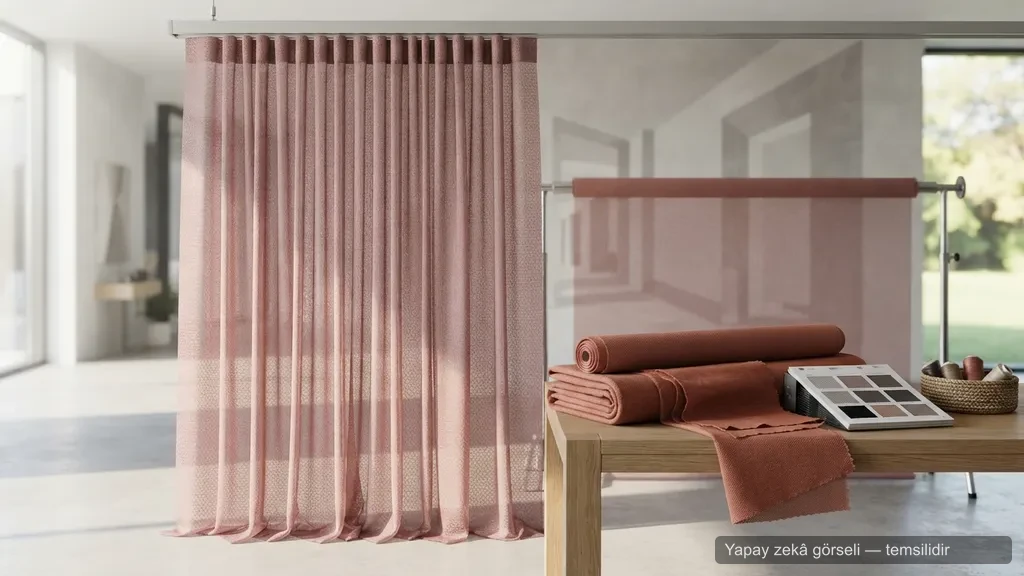
Mosquito-borne vector pathogens, principally malaria, continue to represent an acute public health hazard worldwide. This epidemiological reality continuously escalates structural global demand for protective netting, one of the most effective physical defenses against insect-transmitted infections. According to Innovation in Textiles, this sustained demand provides a dependable, resilient international market for durable mosquito netting, specifically produced from technical warp-knitted substrates.
Global Health Landscape and Technical Textile Implications
According to official World Health Organization (WHO) epidemiological figures, an estimated 263 million malaria cases occurred globally in 2023, resulting in approximately 597,000 fatalities. These alarming figures decisively reaffirm the critical utility of insect screening and specifically Long-Lasting Insecticidal Nets (LLINs). Beyond personal prophylaxis, these engineered barrier textiles serve as the foundational cornerstone for halting cross-community vector transmission during seasonal outbreaks.
Warp-knitted mesh textiles utilized in protective netting fabrication have become irreplaceable substrates due to their exceptional lightness, tear strength, and high airflow permeability. Treated with durable, bonded insecticidal chemistries for sustained protection across years of deployment, these technical mesh fabrics sustain continuous, recurring procurement cycles.
- Sustained Global Demand: Persistent vector populations and transmission perils guarantee that demand for insect barrier textiles will remain high, particularly across procurement programs led by global healthcare institutions and international humanitarian aid agencies.
- Technological Innovation Imperatives: Integrating safer, longer-lasting, and environmentally certified insecticidal coatings into textile matrices drives continuous R&D advances, offering an attractive technical development horizon.
- Durability and Structural Rigor: Functional longevity and chemical retention through repetitive wash cycles are mandatory benchmarks, dictating strict quality assurance protocols and high-tenacity yarn inputs.
Opportunities and Actionable Recommendations for Turkish Mills
Backed by extensive technical infrastructure and deep engineering experience in warp knitting and functional textiles, the Turkish textile sector can play a commanding role in servicing this global humanitarian requirement. For mills operating across home furnishing, sheer curtain, and drapery sectors, this domain offers high-value diversification avenues into performance-engineered technical fabrics. Specifically, manufacturing certified long-lasting insecticidal netting delivers measurable international competitive leverage.
Strategic measures recommended for Turkish textile manufacturers include:
- Targeted R&D Allocation: Channeling research into bonded insecticidal polymer finishes and long-life barrier formulations adhering strictly to WHO and international technical standards.
- Institutional Alliances: Tracking procurement tenders issued by organizations such as the World Health Organization and United Nations agencies, forging delivery partnerships with humanitarian NGOs.
- Product Line Diversification: Adapting current warp-knitting machinery from conventional sheer curtains into technical insect screening, outdoor barrier draperies, and performance contract mesh.
- Accredited Certification: Investing systematically in international laboratory certifications validating biological efficacy, flammability, and human safety compliance.
This specialized niche servicing global public health requirements represents a sustainable, high-margin export frontier for Turkish textile enterprises. Deepening specialized competence in protective mesh will fortify the industry's stature across high-technology global supply chains.
This content was compiled with AI assistance from the cited source — Innovation in Textiles. (EU 2024/1689 Art. 50)