Furniture and Home Textile Consumption in Turkey 2026: Expectations for a Major Surge in Retail Sales
Retail sales of furniture and home textiles in Turkey are projected to record significant growth by 2026. This comprehensive analysis highlights strategic opportunities and category potential for Turkish textile manufacturers, wholesalers, and exporters.

Turkey presents remarkable growth potential in the furniture and home textile sector, propelled by its dynamic demographics, rising urbanization, and shifting consumer preferences. Recent market analyses project substantial increases in retail sales through 2026, outlining a strategic roadmap particularly for manufacturers and suppliers of home textiles, drapery, upholstery fabrics, and mechanical shading systems. For industry participants, this projected expansion represents new market segments, product innovations, and expanded export avenues.
When combined with the Turkish textile sector's existing manufacturing capacity, design sophistication, and flexible production capabilities, these optimistic forecasts will further solidify its competitive advantage in the global arena. While robust domestic consumption invigorates internal demand, it becomes imperative for industry leaders to monitor global shifts closely, cultivate high-value-added offerings, and embrace sustainable manufacturing methodologies. This article analyzes these growth dynamics in depth, offering actionable intelligence for Turkish textile manufacturers, wholesalers, and exporters.
Key Growth Dynamics Expected in the Turkish Furniture and Home Textile Market
The retail market for furniture and home textiles in Turkey is poised to demonstrate strong expansion in the coming years. Notable drivers include the acceleration of residential construction, nationwide urban transformation projects, and a pronounced homeownership trend among the younger demographic. Concurrently, increases in average household income and evolving living standards are expanding the disposable budgets allocated to home renovation and interior decor. This macroeconomic momentum directly stimulates demand for complementary product categories such as home textiles, custom draperies, and premium upholstery fabrics. Market research indicates double-digit compound growth rates through 2026.
This sectoral expansion will not be confined to quantitative gains; it will bring profound qualitative transformations in consumer behavior. As consumers become increasingly discerning, attributes such as material quality, practical functionality, aesthetic elegance, and sustainability come to the fore. In particular, home textile products crafted from organic cotton, recycled fibers, and eco-certified natural dyes are rapidly becoming preferred choices for environmentally conscious households. Consequently, manufacturers are impelled to scale up R&D investments to develop eco-friendly and technologically enhanced textiles.
Historically, furniture and home textile consumption in Turkey has demonstrated notable resilience in the face of cyclical macroeconomic headwinds. Over the past decade, the expansion of middle- and upper-income households has spurred appetite for luxury, architecturally driven design concepts. This structural shift strengthens the capability of Turkish manufacturers to deliver authentic, high-grade designs capable of competing against renowned global luxury brands. Comparative analyses confirm that Turkey's strategic geographic proximity and well-developed logistics ecosystem unlock immense potential across domestic channels as well as neighboring export corridors.
Trends, Opportunities, and Strategic Approaches
The projected growth trajectory within Turkey's furniture and home textile market brings forth a multitude of strategic opportunities for industry stakeholders. Formulating precise corporate strategies is paramount to capitalizing on these favorable developments. Changing consumer lifestyles, the pervasive impact of digital channels, and heightened environmental awareness are the primary mega-trends shaping the sector's trajectory. Enterprises that align their business models with these shifts will secure lasting competitive advantages.
- Digitalization and the Surge of E-Commerce: A substantial share of retail transactions now transpires across online platforms. E-commerce, which accelerated dramatically during recent years, has become an indispensable sales conduit for home furnishing and textile items. Manufacturers must fortify their proprietary e-commerce platforms, participate actively in leading digital marketplaces, and invest heavily in omnichannel performance marketing. Data indicates that online sales will continue expanding their overall share of retail volume through 2026.
- Sustainability and Green Manufacturing: Consumers place escalating importance on environmental stewardship when making procurement decisions. Home textiles manufactured in alignment with organic certifications, circular recycling standards, and fair-trade ethics command premium market demand. Embracing low-impact wet processing, obtaining rigorous certifications (such as GOTS and Oeko-Tex), and establishing transparent supply chains substantially elevates brand equity.
- Customization and Modular Design Paradigms: In tandem with increasing individualization, consumers gravitate toward interior decor products that mirror their personal identities. Made-to-measure window treatments, personalized home linens, and upholstery textiles offering custom colorways and tactile finishes hold massive commercial promise. Modular furniture and adaptable soft furnishings merge space-saving functionality with refined aesthetics in modern compact homes.
- Smart Home Textiles and Functional Performance Fabrics: Technological convergence is transforming conventional home textiles. Smart automated curtains, thermal-regulating drapery fabrics, acoustic-dampening textiles, and stain-resistant or antimicrobial upholstery materials represent high-utility solutions that enhance residential quality of life. Sustained R&D initiatives in functional textiles can unlock lucrative high-margin export frontiers for Turkish manufacturers.
Detailed Category Analysis and Technical Standards
The impending growth across the furniture and home textile industry will exhibit distinctive characteristics across discrete product classifications. For Turkish textile manufacturers, understanding the specific technical requirements and commercial potential of each category is vital for rigorous strategic planning.
Curtains and Mechanical Shading Systems: The surge in residential developments and interior refurbishments is driving heightened demand for architectural curtain hardware and mechanical shading systems. Specifically, motorized roller blinds, zebra shades, vertical louvers, and venetian blinds offer sleek, functional solutions for contemporary residential and contract architecture. For these mechanisms, CE conformity markings, adherence to EN performance standards, and stringent flame-retardant compliance represent vital technical requirements. Furthermore, motorized shading systems integrated with smart home IoT networks emerge as high-value growth drivers.
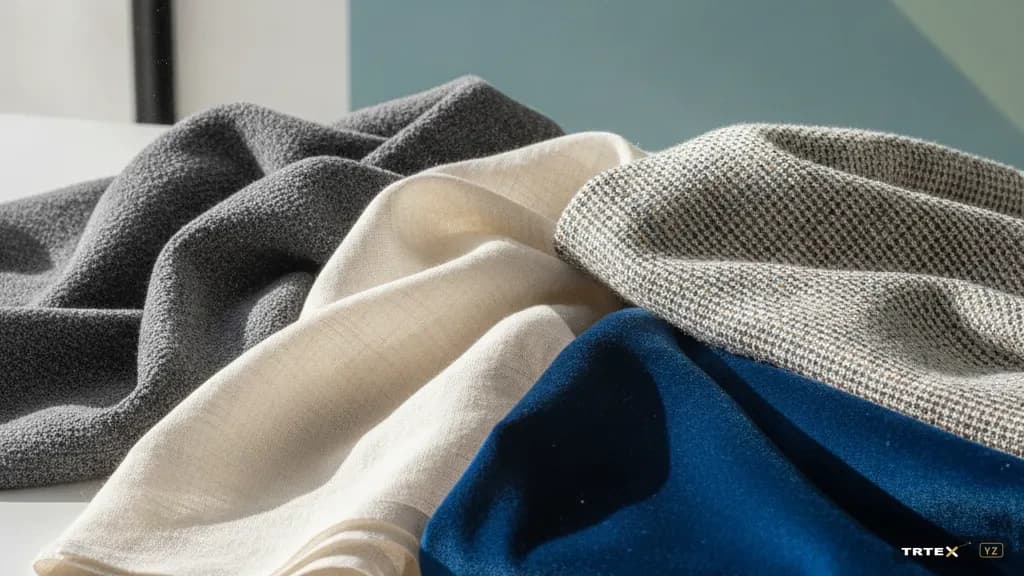
Upholstery Fabrics: Expansion within the upholstered furniture industry directly stimulates demand for high-performance furnishing fabrics. Materials featuring easy-clean properties, water repellency, high Martindale abrasion resistance, and stain resistance are especially coveted. Plush velvets, textured bouclés, structured linens, chenilles, and high-performance microfibers provide an extensive portfolio for manufacturers. Certifications such as Oeko-Tex Standard 100 guarantee the absence of harmful chemical substances, fostering strong consumer trust, while REACH compliance remains mandatory for European export shipments.
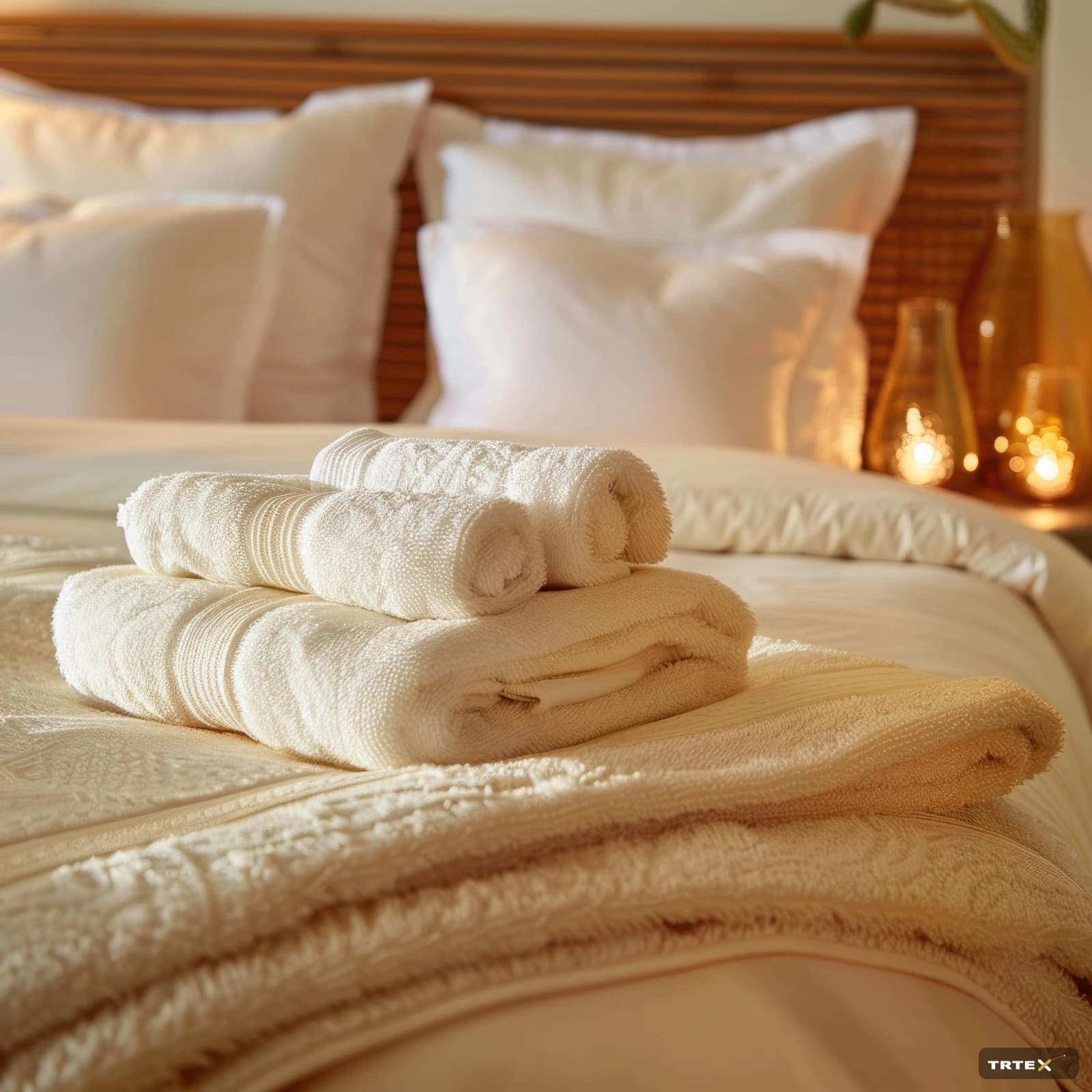
Home Textile Products (Bedding, Towels, Throws, etc.): Bedding sets, bath textiles, and living room accessories represent high-turnover consumer goods appealing to a broad demographic base. Skin-friendly, highly breathable products crafted from premium natural fibers such as Turkish combed cotton, bamboo, and pure flax linen maintain clear consumer preference. Creative aesthetic versatility and rapid alignment with seasonal color palettes provide distinct competitive advantages. Internationally recognized credentials like GOTS serve as pivotal differentiators for organic lines. Concurrently, implementing water- and energy-saving production methodologies delivers cost efficiencies while fulfilling ESG mandates.
Conclusion and Strategic Action Plan for the Turkish Textile Sector
The impending consumption boom in the Turkish furniture and home textile landscape offers an unmissable strategic window of opportunity for manufacturers, wholesalers, and exporters alike. Capitalizing on this growth trajectory requires the proactive execution of multi-tiered modernization plans. Balancing domestic retail fulfillment with measures that elevate international export competitiveness is essential for enduring commercial prosperity.
The Turkish textile industry must closely monitor global mega-trends, allocate increased capital to R&D and design innovation, embed circular sustainability into every node of the supply chain, and place digital transformation at the core of corporate operations. Expanding product variety, developing high-performance technical fabrics, and embracing bespoke interior solutions will ensure sustained differentiation across both domestic and foreign markets. Rigid adherence to international quality protocols, acquisition of premier global certifications, and a steadfast dedication to customer satisfaction will maintain Turkey's vanguard status through 2026 and into the next decade.
Forward-looking projections indicate that Turkey's robust industrial backbone, flexible manufacturing dexterity, and dynamic young workforce uniquely position the sector to translate these market opportunities into long-term wealth creation. Diversifying export markets, penetrating emerging regions, and maximizing market share through subsidized UR-GE export clusters and state incentives will accelerate the industry's upward trajectory. The Turkish textile ecosystem is set to harness this growth cycle to generate substantial added value for the national economy and the global textile arena.
Background: our earlier coverage
- B2B E-Commerce Platforms Transform the Supply Chain in the Textile Sector
B2B e-commerce platforms are rapidly expanding across the textile sector, enabling manufacturers, wholesalers, and international retail buyers to forge a more transparent, agile, and cost-effective digital supply network.