Alternative Route to Maritime Shipping: Iron Silk Road Reduces Logistics Transit Time to 12 Days
Operating along the Baku-Tbilisi-Kars railway across the China-Turkey corridor, the Iron Silk Road has shortened transit times to 12 days, doubling raw material inventory turnover for the textile industry.
Opportunity Born from the Container Crisis: Rail Freight Rises in Textiles
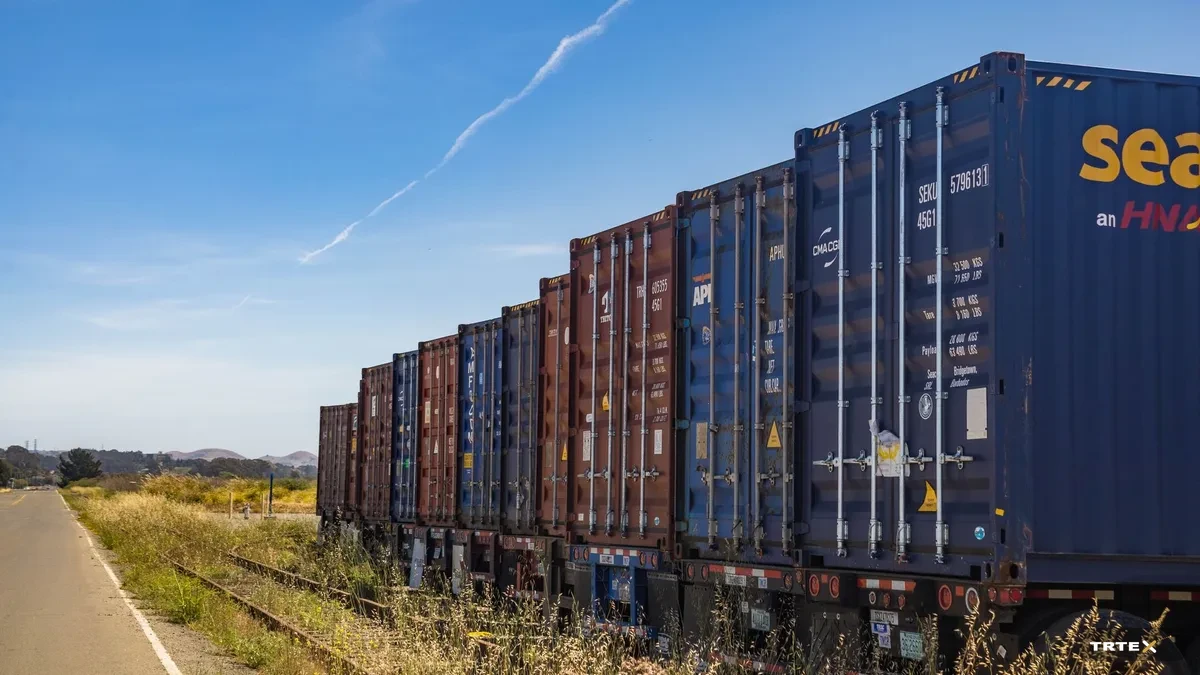
Persistent container imbalances in global maritime transport, port bottlenecks, and acute security tensions along the Suez Canal have fundamentally transformed the textile industry's supply chain strategies. While maritime transit along the traditional sea route from China to Turkey extends between 35 to 45 days, the Middle Corridor rail link operating via the Baku-Tbilisi-Kars (BTK) railway line cuts this transit duration to just 12 days, delivering a decisive competitive edge.
The BTK line constitutes the linchpin of the Middle Corridor, traversing from China's eastern manufacturing provinces across the Caspian Sea through Azerbaijan and Georgia to connect with Turkey and onward to Europe. In transporting voluminous yet time-critical cargoes—such as raw filament yarns, staple polyester fibers, and specialized textile auxiliaries—the route has functioned as an indispensable operational lifeline for textile traders over the past two years.
Concrete Gains in Inventory Carrying Costs: Turnover Velocity Doubles
Shortening transit duration is far from merely a logistical convenience; it translates directly into substantial financial working capital savings. Under ocean freight schedules demanding 35 to 45 days of transit, mills were compelled to maintain buffer inventories of at least 6 to 8 weeks. Shifting to the Middle Corridor reduces this raw material safety stock to 2 to 3 weeks, liberating substantial working capital previously locked in inventory reserves. Logistics metrics indicate that manufacturing mills have doubled raw material inventory turnover velocity, providing a crucial liquidity buffer especially for mid-sized textile producers managing tight cash flow cycles.
Evaluated on total freight expense, railway shipping remains cost-competitive with ocean alternatives. Considering that maritime freight rates peaked during the 2021-2022 supply chain disruptions before normalizing, maintaining rate parity enhances the commercial value of rail speed. During cyclical periods of ocean volatility, rail freight also offers essential price predictability.
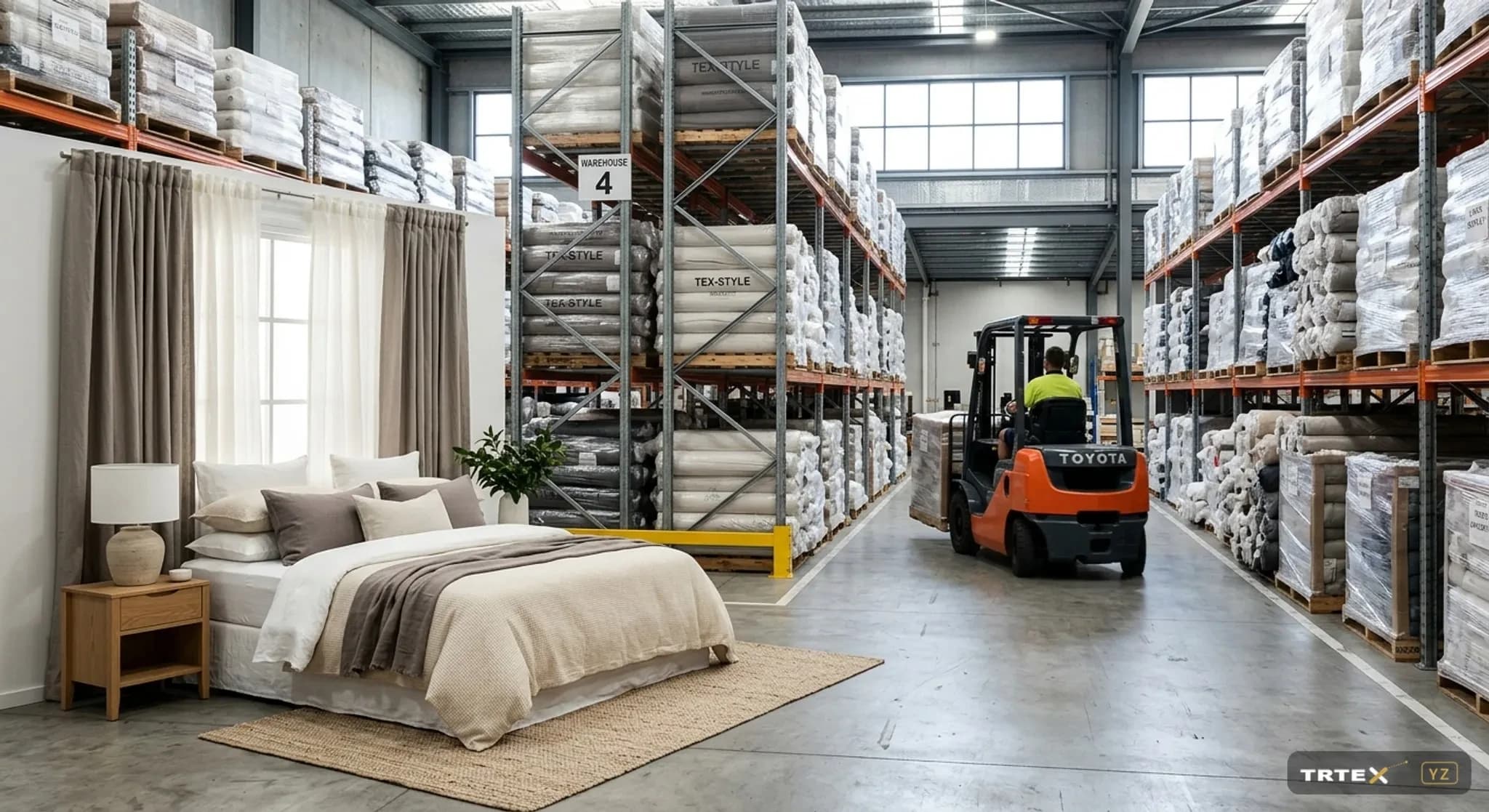
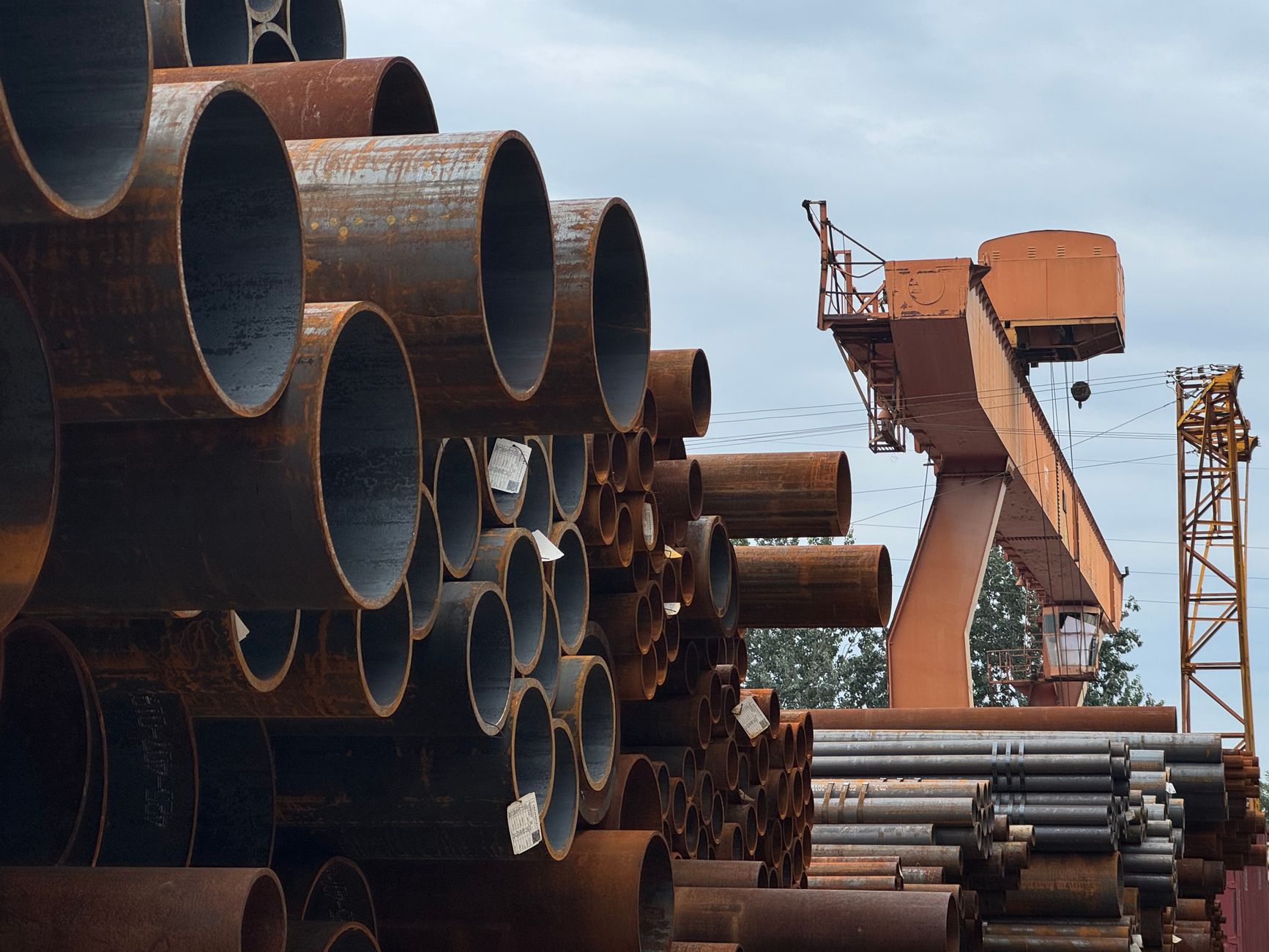 *Visual: Shuaizhi Tian (Pexels) — Raw yarn and textile raw material inventory stored in an industrial warehouse*
2026 Target: Sectoral Rail Share Expands from 8% to 18%
Logistics forecasters project that if present adoption trajectories endure, rail freight's overall modal share within textile raw material procurement will expand from 8% to 18% by the end of 2026. This expansion will be driven not merely by existing users increasing booking volumes, but by traditional maritime shippers actively diversifying their multimodal logistics portfolios.
Substantial infrastructure investments designed to scale the Middle Corridor's annual throughput actively underpin this growth. Incremental capacity upgrades along the BTK line, expanded Caspian Ro-Ro vessel frequencies, and intermodal freight terminals across Turkey consolidate the corridor's long-term commercial competitiveness.
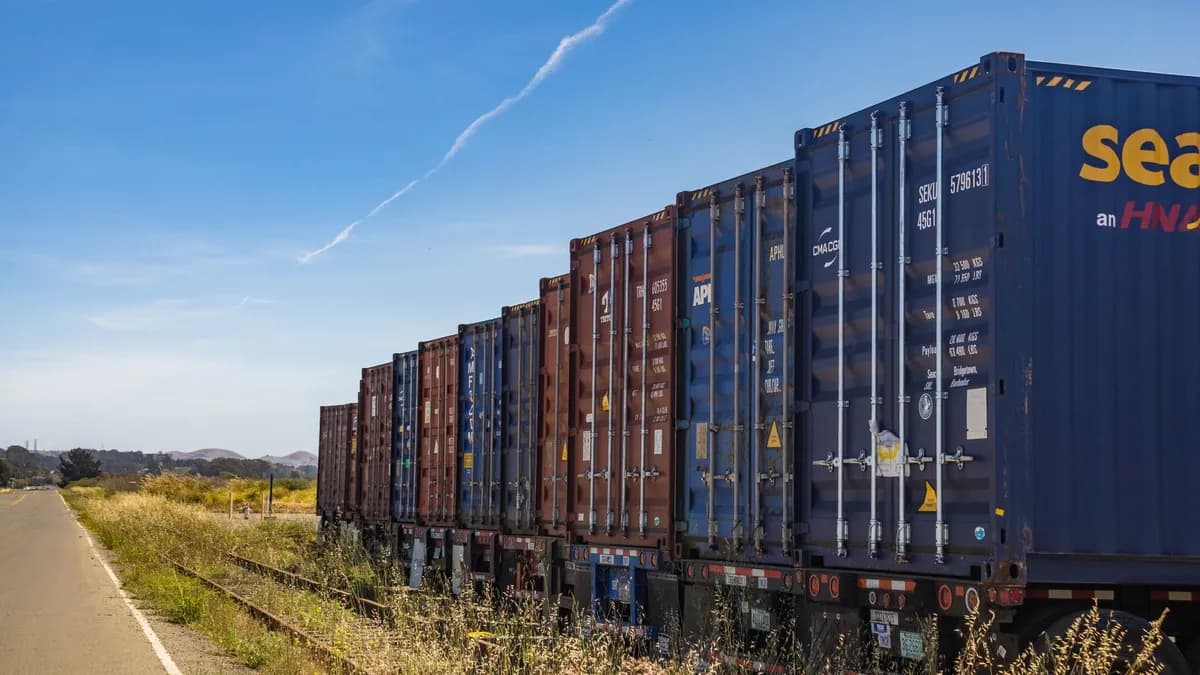
Which Textile Categories Are Best Suited for Rail?
Not all textile raw materials are equally matched to rail transit. Bulky raw yarns and staple polyester fibers with moderate unit value find an optimal cost-to-speed balance via rail. Conversely, high-value specialty technical textile components or emergency sampling batches continue to warrant air freight, while non-urgent, extremely high-volume shipments remain on ocean lanes. Optimizing transport mode according to product margin and lead-time sensitivity is essential to minimizing total logistics overhead.
B2B Strategic Outlook: Re-Engineering the Supply Chain
To fully harness the strategic advantages unlocked by the Middle Corridor, textile manufacturers must re-engineer operational supply chains. Ordering with increased frequency in smaller batch sizes from Asian suppliers curtails inventory obsolescence while maximizing agility across fashion seasons. This approach transforms procurement into a lean operational asset for dynamic apparel and home soft furnishing brands.
Negotiating long-term volume agreements with multimodal rail operators and forwarders provides tariff stability and guaranteed wagon availability. In high-demand peak seasons when rail capacity tightens, forward bookings and framework contracts provide indispensable supply chain insurance.
In conclusion, the Iron Silk Road has transitioned from an emergency workaround into a permanent, strategic cornerstone of modern textile supply chain planning.