The Rise of Global Curtain Giants: Secrets of Brand Building and Market Expansion
Analyzing the sustainable growth frameworks, brand-building architectures, and strategic takeaways of top global drapery leaders for Turkish home textile manufacturers and export houses.
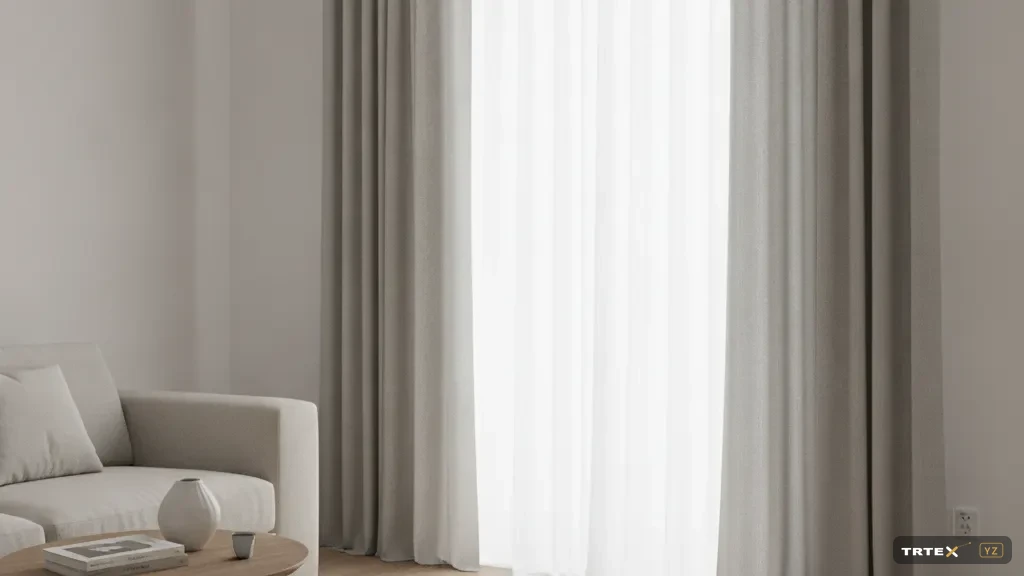
The global home textile and drapery sector commands international attention through its dynamic operational velocity and evolving consumer design preferences. Within this expansive landscape, particularly across the architectural curtain tier, select multinational champions consistently record disciplined, compounding expansion. The sustained ascendancy of these enterprises stems not merely from gross manufacturing scale, but equally from pioneering brand-equity architectures, dedicated research outlays, and acute market adaptation capabilities. For Turkish textile fabricators, converters, and export houses, decoding the playbooks of these global leaders is paramount for securing durable competitive leverage and penetrating new international territories.
Worldwide demand for interior furnishings continues its upward trajectory, powered by rapid urbanization, master-planned residential developments, and consumer appetite for personalized living spaces. Benefiting directly from this momentum, the drapery market is evolving along vectors where aesthetic elegance is inextricably bound to acoustic performance, light attenuation, and verified circularity. Within this framework, analyzing the corporate blueprints of world-class leaders provides vital clues regarding the strategic future of the sector.
Growth Dynamics and Brand-Building Blueprints of Global Drapery Leaders
A rigorous examination of leading multinational curtain manufacturers reveals shared foundational principles. Rather than relying solely on raw catalog width, these organizations build commanding brand equity that fosters deep trust and institutional loyalty across retail and contract specifications. For instance, specific premier players position themselves decisively in the luxury contract tier, distinguishing their labels through proprietary artisanal patterns and certified high-specification engineering. Concurrently, other conglomerates scale aggressively by fielding accessible yet refined ready-made collections tailored for mass affluence. Across these strategic tracks, authentic brand storytelling, industrial design focus, and customer-centric experience architectures serve as the primary growth catalysts.
Sustained capital expenditure allocated to research, development, and engineering constitutes another primary engine of market dominance. Smart motorized drapery hardware, certified thermal-barrier textiles, easy-clean finishes, and hypoallergenic yarn structures proactively address evolving consumer lifestyle priorities. Recent technological breakthroughs have unlocked immense strides, particularly across motorized tracks, radio-frequency controls, and native building management system (BMS) integrations. These technical advancements not only elevate functional utility, but also cement an innovative, premium brand halo.
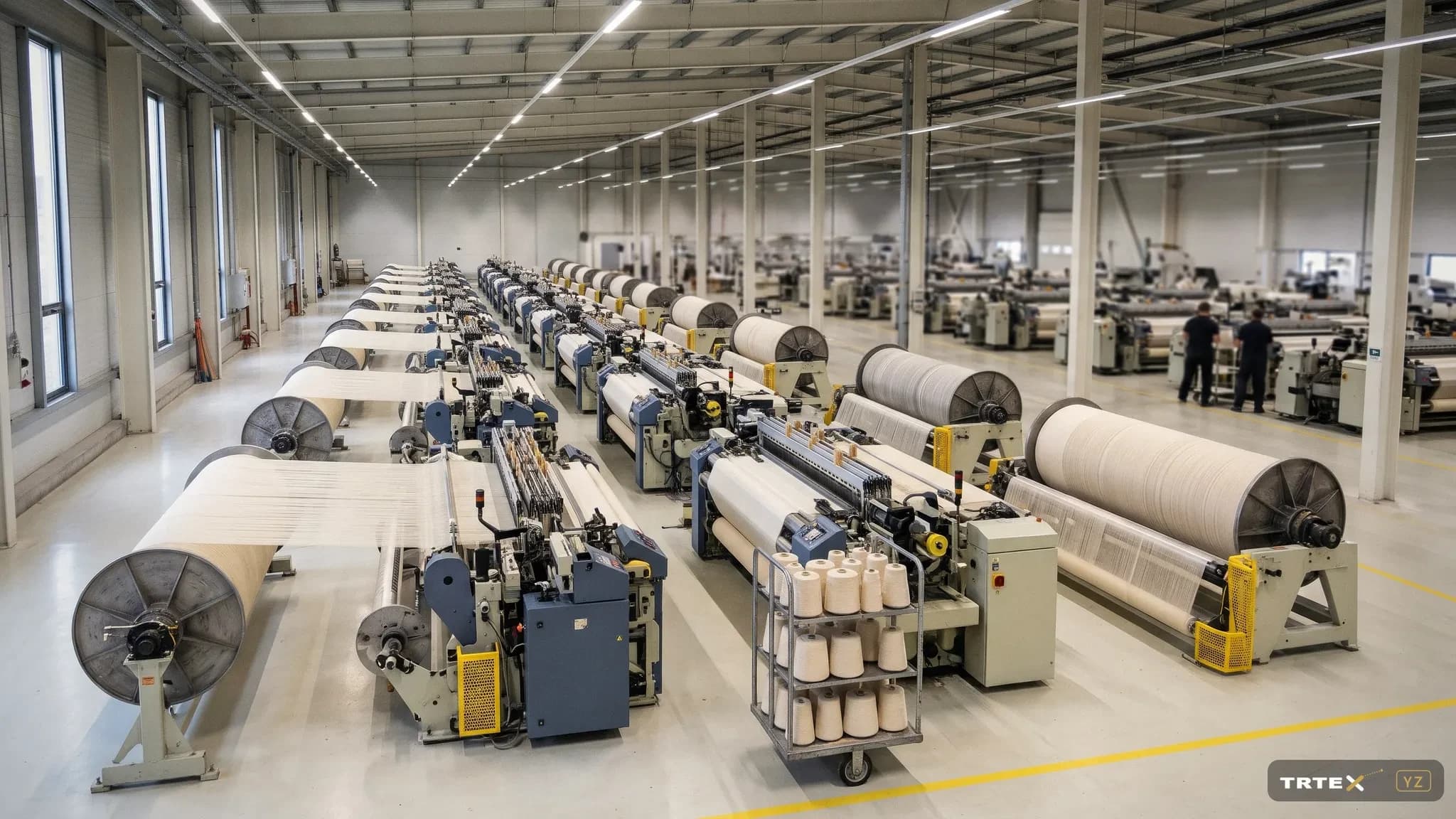
Furthermore, these multinational champions exercise exceptional proficiency in supply chain orchestration and global freight logistics. Leveraging optimized international distribution networks, they streamline operations from fiber procurement through finished goods distribution. This discipline delivers structural cost arbitrage while guaranteeing dependable, rapid fulfillment. Digitalization likewise plays a transformative role across enterprise CRM and omnichannel touchpoints; integrated B2B portals, architectural digital showrooms, and virtual visualization tools amplify global market capture.
Market Localization, Sustainability, and Strategic Directives for Turkish Fabricators
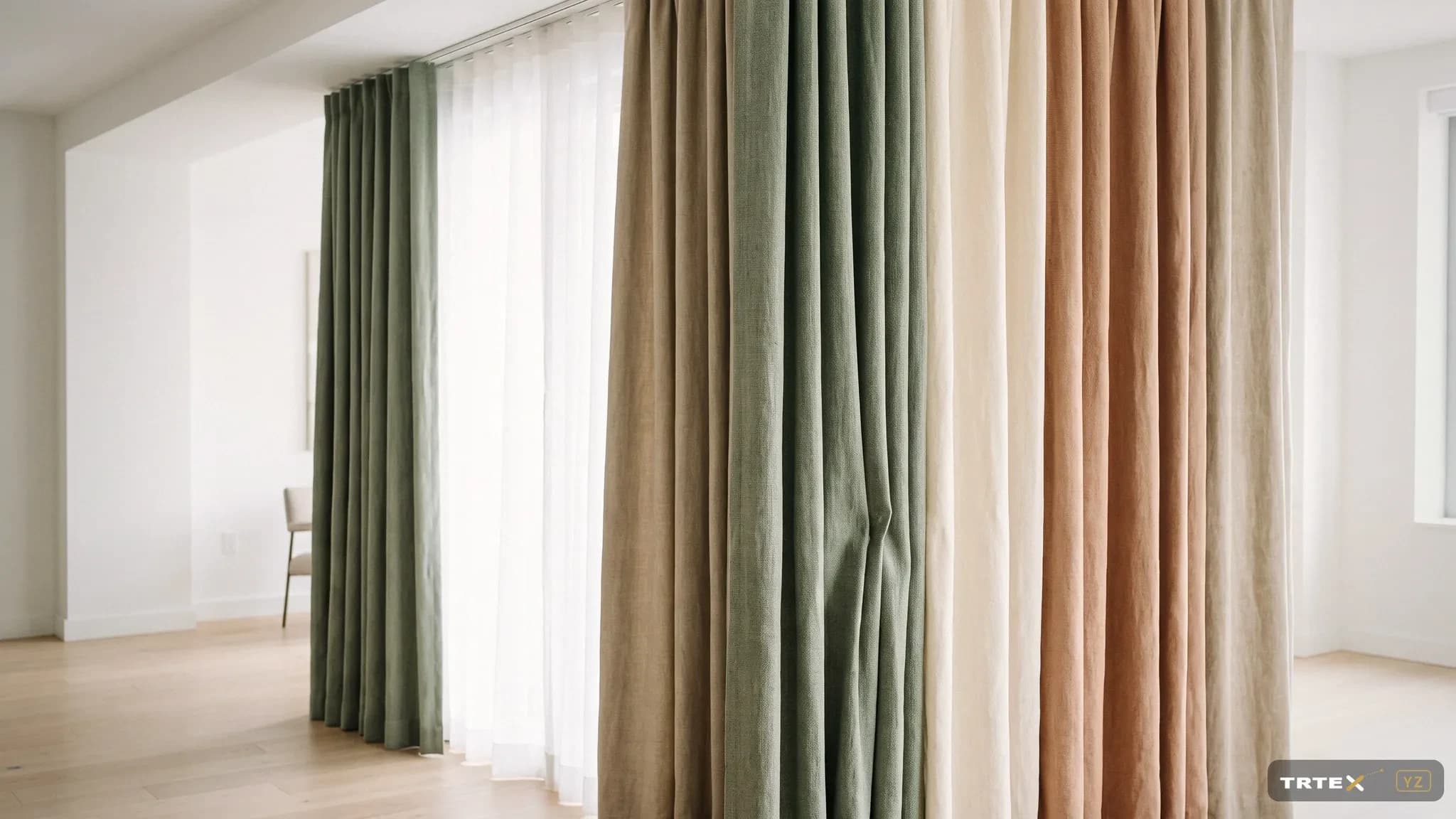
Acute market localization capabilities represent an equally decisive pillar underpinning the success of international drapery titans. Engineering curated collections that resonate with regional cultural aesthetics and architectural preferences—while maintaining deep empathy for domestic commercial dynamics—has allowed these firms to broaden their global footprint. For example, while European specifiers demand minimalist voiles, muted earth tones, and certified acoustic ratings, Gulf hospitality projects prioritize rich jacquards, opulent textures, and heavy blackout linings. This product agility enables brands to address diverse customer tiers and capture dominant market share.
- Targeted Investments in Industrial Design and R&D: Turkish fabricators must monitor international aesthetic shifts, allocating capital continuously toward proprietary design development and technical engineering, particularly across motorized window systems and sustainable circular materials.
- Architecting Commanding Brand Equity: Pairing Türkiye's world-class manufacturing prowess with compelling brand narratives and certified quality marks will decisively elevate the perceived value of Turkish textiles among tier-one global specifiers.
- Agile Manufacturing and Rapid-Response Logistics: Developing modular, flexible weaving frameworks capable of rapid-turn adjustments to custom orders while instituting rigorous supply chain management will accelerate fulfillment lead times and maximize client retention.
- Digital B2B Infrastructure and Global E-Export: Leveraging enterprise digital B2B sourcing hubs and virtual digital showrooms provides direct connectivity with international contract buyers, diversifying global customer portfolios and driving high-margin export revenue.
Verified Sustainability and Environmental Accountability
Global drapery leaders accord paramount strategic priority to verified environmental stewardship. As institutional and residential consumers demand genuine ecological accountability, fabrics woven from certified post-consumer recycled yarns, organic cotton, and closed-loop cellulosics command soaring demand. Leading mills systematically implement closed-loop water treatment, thermal recovery, zero-effluent wet-processing, and corporate carbon mitigation. Third-party environmental certifications fortify brand prestige, making compliance a mandatory prerequisite for luxury residential and hospitality specifiers. The Turkish textile ecosystem must accelerate green capital outlays to solidify its stature in the international arena.
Increasingly, elite manufacturers publish audited Environmental Product Declarations (EPDs), transparently disclosing life cycle assessments (LCA) from polymer synthesis to end-of-life reclamation. This empirical transparency establishes unbreakable commercial trust with enterprise buyers. Furthermore, certified fair-labor practices and verified social accountability further elevate brand standing across international tenders.
Strategic Horizons and Long-Term Outlook for the Turkish Textile Sector
The global drapery sector will continue to expand along vectors defined by technological innovation, certified circularity, and bespoke architectural integration. Smart-home motorization, sound-dampening acoustic drapery, and air-purifying photocatalytic textiles will play defining roles in driving market expansion. For Turkish textile manufacturers and exporters, tracking these technical currents, accelerating R&D expenditures, and dominating specialized niche applications will serve as the master key for sustainable corporate expansion.
The Turkish textile cluster's rich heritage, deep manufacturing capacity, and artisan craftsmanship confer a formidable foundation. However, sustaining this competitive advantage mandates disciplined investments in brand building, proprietary design, advanced technology, and circular manufacturing paradigms. Drawing strategic inspiration from global leaders while leveraging domestic agility and vertical integration will firmly entrench Turkish textiles on the world stage. Actively exploiting digital B2B trade channels will unite Turkish mills with premier global buyers, inaugurating a prosperous era of international contract leadership.
Background: our earlier coverage
- Premium Segment in Bath Textiles: Quality and Brand Strategies in Hospitality Procurement
The global luxury hospitality trend elevates the importance of premium bath textiles in 5-star hotels. Turkish textile manufacturers seize high-value-added opportunities across booming luxury destinations such as Dubai and Montenegro.
- Capacity and Market Trends in Global Home Textile Manufacturing: Overview
In-depth examination of capacity and emerging trends in the global home textile market. Competitive strategies, new destinations, and sustainability initiatives for Turkish mills.