Rising Categories in Home Textiles and Strategies of Global Leaders
Product categories centered on sustainability, smart technology, and personalization are surging across the global home textile market. These emerging dynamics offer substantial growth opportunities for Turkish manufacturers.
The global home textile industry is navigating dynamic structural transformations fueled by macroeconomic shifts and evolving consumer priorities. Prominent expansion is particularly evident across sustainability, smart home interoperability, and customized bespoke lines. These currents are carving out fresh investment horizons across both established and emerging consumer markets while simultaneously compelling major multinational players to reconfigure corporate roadmaps. By closely aligning with these global dynamics, Turkish textile fabricators can secure durable competitive advantages and expand their export reach.
This operational pivot extends well beyond product catalogs, redefining floor operations, logistics engineering, and brand go-to-market models. Alongside conventional commodity linens, innovative offerings that fuse aesthetic elegance with technical utility and certified ecological stewardship have emerged as the foundational drivers of future commercial relevance. Backed by extensive manufacturing heritage and rapid-response flexibility, the Turkish textile industry possesses exceptional capability to capitalize on this structural transition.
Ascendance of Circular Sustainability and Eco-Centric Textiles
Within the global home textile sphere, certified sustainability has evolved from an optional marketing halo into a baseline commercial prerequisite. Procurement heads and end-consumers increasingly mandate supply chains that systematically mitigate environmental degradation across the entire product lifecycle, from fiber harvesting to end-of-life recycling. Organic cotton, closed-loop recycled yarns (such as rPET synthesized from post-consumer plastic bottles), raw flax linen, and fast-renewing bamboo fibers enjoy massive market traction. Across Western European channels in particular, credentials including OEKO-TEX Standard 100, GOTS (Global Organic Textile Standard), and Bluesign serve as decisive differentiators. These audit seals certify that finished goods are free from toxic chemical residues while validating equitable labor and social compliance. Capital investments in this domain simultaneously elevate corporate reputation and grant access to premier retail segments.
As documented in analyses examining green export dynamics across the European home textile sector, Western demand is generating powerful commercial momentum driven by strict environmental criteria and conscious consumer habits. Unprecedented procurement volumes are concentrating around mills compliant with verified eco-standards. For Turkish manufacturers, this reality makes operationalizing verified circular practices and securing accredited seals a mission-critical strategic priority.
Consequently, enterprises investing in clean manufacturing regimes are actively targeting verified reductions in corporate carbon footprints, closed-loop water treatment, and zero-effluent processing. Industrial closed-loop systems that reprocess cutting scraps and recycle process heat significantly reduce ecological impacts while establishing substantial operating cost efficiencies over the long haul.
Smart Textiles and Motorized Shading Architectures: Comfort and Utility
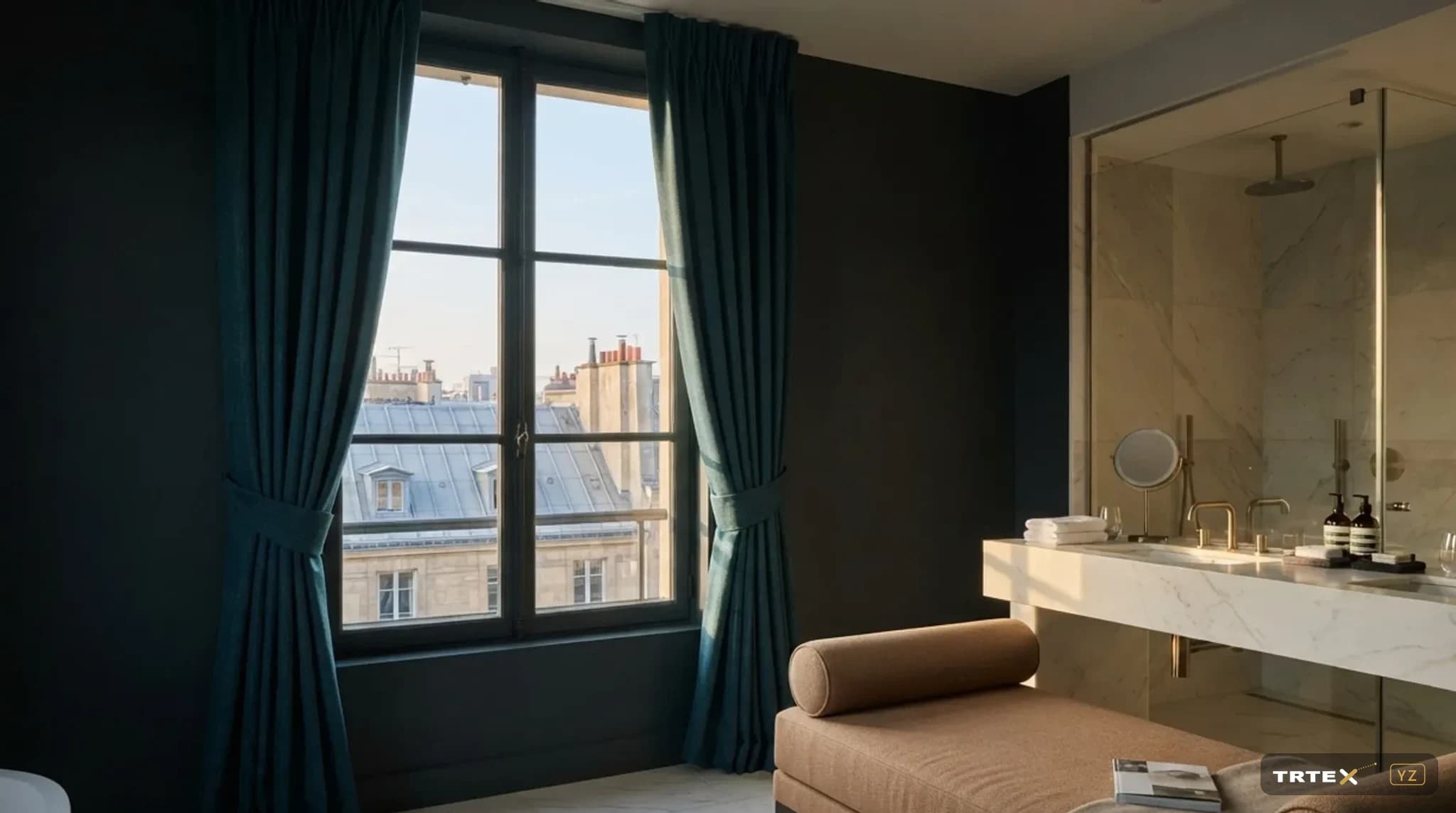
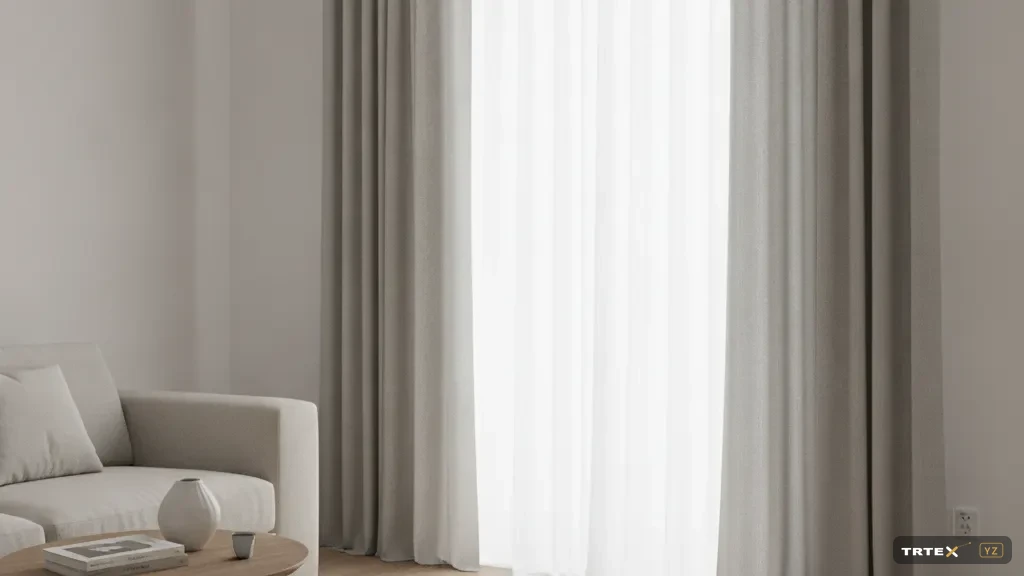
Technological convergence within home furnishings is achieving commercial scale through the rise of smart functional textiles and motorized window systems. Draperies, upholstery fabrics, and household textiles engineered for plug-and-play integration with mainstream home automation ecosystems provide occupants with enhanced acoustic comfort, thermal efficiency, and home security. As spotlighted in technological reviews of motorized drapery architectures, these assemblies stand out for app-based automated scheduling and voice-activated control. Automated window shades that adjust autonomously according to solar angles and weather conditions trim heating and air-conditioning loads while slashing utility expenditures. Furthermore, textiles embedded with micro-sensors offer sleep telemetry and wellness monitoring.
- Motorized Window Systems: Draperies and roller assemblies managed via handheld RF transmitters, smartphone dashboards, or digital voice assistants are becoming standard across prime residential and hospitality developments, optimizing natural daylighting and acoustic privacy.
- Smart Functional Topographies: Phase-change thermal-regulating fabrics, moisture-wicking weaves, and permanent antimicrobial barrier finishes inject high utility into bedding sets, plush bath linens, and contract upholstery.
- Thermal Energy Efficiency: High-performance architectural shading limits heat transfer through building envelopes, delivering marked reductions in HVAC energy consumption.
- Seamless Architectural Integration: Hardware engineered for native interoperability with major home automation frameworks (Google Home, Amazon Alexa, Apple HomeKit) delivers friction-free user experiences.
These functional innovations not only elevate occupant comfort, but also materially enhance daily residential living. For Turkish manufacturers, channeling capital into these specialized categories creates prime openings to supply high-margin solutions to international developers.
Curated Personalization and Design-Forward Collections
As consumer preference pivots toward individual self-expression, the market appetite for bespoke, customizable home textiles is expanding exponentially. Moving away from homogeneous mass runs toward flexible production that allows clients to tailor patterns, textures, and dimensions enables suppliers to command healthy pricing premiums. Industrial digital pigment printing provides exceptional agility, permitting high-definition custom graphics, colorways, and personalized art to be transferred without expensive screen tooling. This trend holds immense resonance among millennial and design-conscious demographics.
Multinational market leaders are executing distinct strategic plays to dominate this landscape:
- IKEA (Sweden): As a ubiquitous global furnishing powerhouse, IKEA champions affordable, democratic design paired with ambitious sustainability goals. The group has shifted toward sustainably sourced cotton and drastically expanded its share of recycled polyester across its textile lines. Concurrently, modular and customizable textile collections allow consumers to tailor their interior environments. IKEA's expansive distribution footprint delivers affordable sustainable linens to mass audiences, with corporate roadmaps targeting 100% recycled or renewable materials across all product lines by 2030.
- Williams-Sonoma (USA - Pottery Barn, West Elm): Anchoring the upscale residential design tier, Williams-Sonoma's subsidiaries place heavy strategic emphasis on custom upholstery, bespoke monogramming, and artisan handcraft. West Elm in particular distinguishes itself through Fair Trade certified collections produced in partnership with global craft cooperatives. Providing extensive libraries of made-to-order fabrics, textures, and bespoke drapery hardware, these banners empower homeowners to curate distinct spaces. Their omnichannel digital portals and boutique retail presence effectively bridge bespoke artisan craftsmanship with mass affluent consumers.
- Luolai Home Textile (罗莱生活 - China): As one of China's premier domestic textile giants, Luolai leverages immense manufacturing capacity and powerful brand recognition. The group fuses heritage oriental design iconography with sleek contemporary silhouettes while deploying extensive capital into smart textiles. Targeting younger consumers through custom digital-print bedding and anti-allergen smart duvets, Luolai has expanded rapidly through digital commerce. Corporate R&D centers concentrate on functional innovations including phase-change thermoregulation and antibacterial yarn finishes, underpinning its commercial expansion across broader Asian markets.
Strategic Takeaways and Action Horizons for the Turkish Textile Sector
The acceleration of these global lifestyle categories provides a powerful runway for Turkish textile mills, converters, and exporters. With rich domestic cotton resources, advanced finishing infrastructure, and high design sophistication, Türkiye is superbly positioned to lead this transition. Concentrating production around certified sustainability, smart motorized textiles, and rapid-turn personalization will grant Turkish firms durable market leadership.
First, Turkish fabricators must secure recognized audit credentials (GOTS, OEKO-TEX Standard 100, Bluesign) and embed circular manufacturing protocols into daily operations. Incorporating certified organic and rPET yarns is vital to satisfying stringent European and North American retail mandates. Second, allocating engineering budgets to smart textiles and motorized hardware will align mills with global home automation growth. Third, harnessing high-speed digital printing and agile modular weaving will allow mills to serve lucrative high-mix, low-volume custom contract specifications. Strategic market reviews emphasize that proactive adoption of these principles is the decisive formula for global competitiveness.
In summary, the global home textile arena continues to expand along vectors of technological sophistication and environmental accountability. By executing disciplined investments in digitalization, sustainable processing, and automated systems, the Turkish textile sector will fortify domestic margins while driving aggressive export expansion across premier international markets.
Background: our earlier coverage
- The Rise of Global Curtain Giants: Secrets of Brand Building and Market Expansion
Analyzing the sustainable growth frameworks, brand-building architectures, and strategic takeaways of top global drapery leaders for Turkish home textile manufacturers and export houses.
- Technology Winds in Smart Textiles and Motorized Curtain Systems
The home textile sector is undergoing a digital transformation with smart home systems. Smart textiles and motorized curtain systems create new market opportunities for Turkish manufacturers by providing energy efficiency and comfort.
- Capacity and Market Trends in Global Home Textile Manufacturing: Overview
In-depth examination of capacity and emerging trends in the global home textile market. Competitive strategies, new destinations, and sustainability initiatives for Turkish mills.
- JAB Anstoetz Strengthens the Premium Market with Showroom Investments in Its 80th Year
Preparing to celebrate its 80th anniversary in 2026, premium fabrics and interior design powerhouse JAB Anstoetz Group opened a new flagship showroom in Hamburg and refurbished existing locations, reinforcing the vital value of tangible cus
- Transformation in Home Textiles with Artificial Intelligence: An In-Depth Look from Design to Customer Experience
Artificial intelligence is creating a broad transformation in the home textile sector from design processes to production optimization and personalized customer journeys. This in-depth analysis examines the opportunities and future projecti